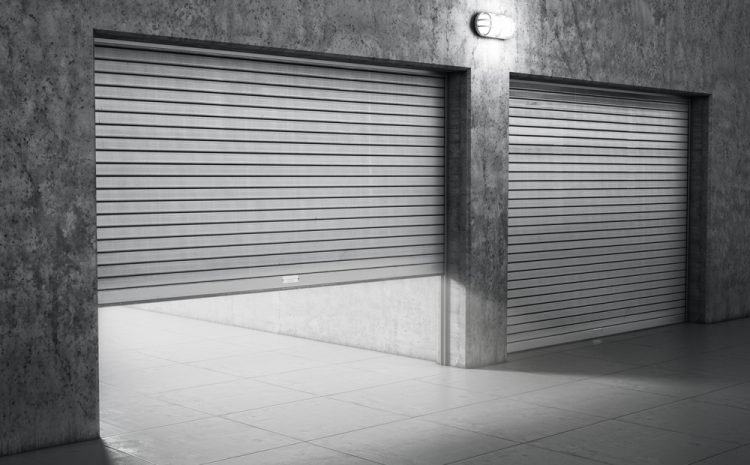
A garage door that suddenly refuses to open or close smoothly can be more than just an inconvenience—it can signal a potential safety risk or lead to costly repairs if not addressed promptly. One of the most common culprits behind garage door malfunctions is an obstruction. Knowing how to identify garage door obstruction and resolve it efficiently is crucial for homeowners who want to keep their garage doors functioning reliably and safely.
In this guide, you’ll learn practical steps to spot obstructions, understand their causes, and apply effective solutions. We’ll also highlight maintenance tips and troubleshooting advice to help you prevent future issues. For those interested in broader upkeep, you may also want to review the garage door maintenance checklist for smooth operation.
Common Signs of a Blocked Garage Door
Recognizing the warning signals of a blocked garage door is the first step in addressing the problem. Some of the most noticeable symptoms include:
- Unusual noises such as grinding, scraping, or banging when the door operates
- The door stops or reverses direction unexpectedly
- Visible debris, objects, or buildup in the tracks or along the door’s path
- Door moves unevenly or gets stuck partway
- Garage door opener light blinks or flashes error codes
If you notice any of these issues, it’s important to investigate further to determine if an obstruction is the root cause. For more details on noise-related problems, the garage door noise halfway issue article provides additional insights.
Step-by-Step Guide to Spotting Garage Door Obstructions
To effectively resolve a blocked garage door, follow these steps to identify the source of the obstruction:
- Disconnect the Opener: For safety, unplug the automatic opener or switch it to manual mode before inspecting the door.
- Visually Inspect the Tracks: Examine both sides of the tracks for any debris, small objects, or buildup of dirt and grease. Even small items like stones, leaves, or tools can block the door’s path.
- Check the Rollers and Hinges: Look for signs of wear, rust, or misalignment that could cause the door to jam.
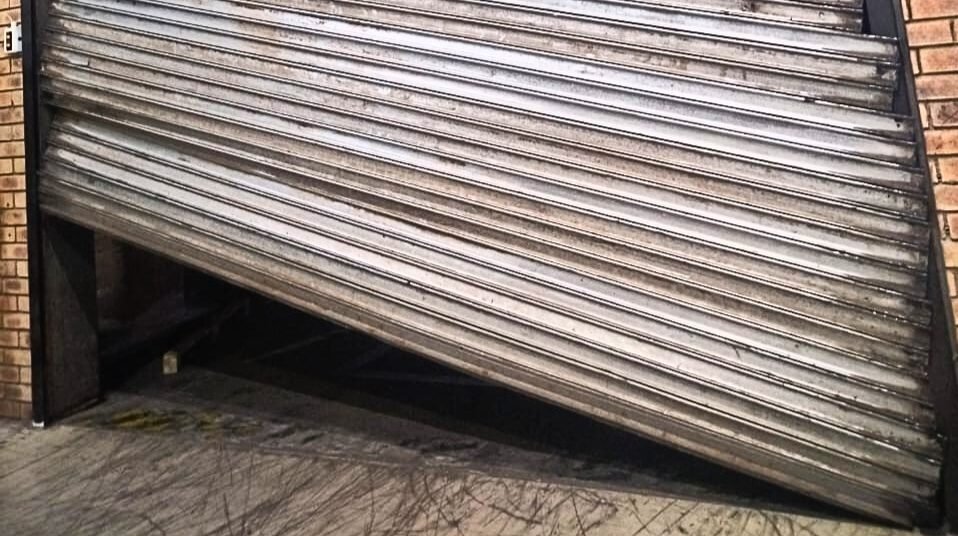
- Examine the Door Panels: Ensure that none of the panels are dented or warped, as this can also impede movement.
- Test the Safety Sensors: Make sure nothing is blocking the infrared sensors near the bottom of the door. Clean the lenses if they appear dirty or dusty.
- Move the Door Manually: Lift and lower the door by hand. If you feel resistance or the door sticks, there may be a hidden obstruction or mechanical issue.
Resolving Garage Door Blockages Safely
Once you’ve pinpointed the obstruction, it’s time to clear it and restore smooth operation. Here’s how to proceed:
- Remove Debris: Carefully take out any objects or buildup from the tracks, rollers, or around the sensors. Use a brush or vacuum for smaller particles.
- Clean and Lubricate: Wipe down the tracks and moving parts. Apply a garage door lubricant spray to the rollers, hinges, and tracks to reduce friction and prevent future sticking.
- Realign Tracks and Sensors: If the tracks or safety sensors are misaligned, gently adjust them until the door moves freely and the sensors are facing each other.
- Test the Door: Reconnect the opener and operate the door several times to ensure the problem is resolved.
- Replace Damaged Parts: If you notice any bent tracks, broken rollers, or faulty sensors, consider replacing them for long-term reliability.
For a more detailed look at keeping your tracks in top shape, see the guide on how to clean garage door tracks properly.
When to Seek Professional Help
While many obstructions can be cleared with basic tools and a careful approach, some situations require expert attention. If you encounter any of the following, it’s best to contact a professional:
- The door remains stuck after clearing visible blockages
- There are broken springs, cables, or severe track damage
- The opener makes loud noises or emits a burning smell
- You’re unsure about safely handling the repair
Attempting to fix complex mechanical or electrical issues without proper training can be dangerous. For more troubleshooting tips, the article on why garage door works manually but not automatically may be helpful.
Preventing Future Garage Door Obstructions
Regular maintenance is key to avoiding recurring blockages. Here are some proactive steps you can take:
- Inspect and clean tracks monthly to remove dust, dirt, and debris
- Lubricate moving parts with a recommended spray to reduce wear and tear
- Check sensors for alignment and cleanliness
- Keep the garage area clear of items that could fall into the door’s path
- Schedule professional tune-ups annually for comprehensive checks
For more advice on keeping your system in top condition, check out tips on how to prevent garage door jamming.
Related Troubleshooting Resources
Sometimes, garage doors stop midway or behave unpredictably due to obstructions or other issues. For a deeper dive, see this detailed explanation of why garage doors stop halfway and how to address it.
Frequently Asked Questions
What are the most common causes of garage door obstructions?
The most frequent causes include debris or objects in the tracks, misaligned sensors, worn rollers, and lack of regular cleaning. Sometimes, weather conditions can also lead to buildup or warping that blocks the door’s movement.
How can I safely clear a blockage from my garage door?
Always disconnect the opener before attempting any inspection or cleaning. Remove visible debris with a brush or vacuum, clean the tracks, and check for misaligned sensors. If the door remains stuck, consult a professional to avoid injury.
How often should I inspect my garage door for obstructions?
It’s wise to inspect your garage door and tracks at least once a month. Regular maintenance can help you catch small issues before they become major problems and ensure your door operates smoothly year-round.