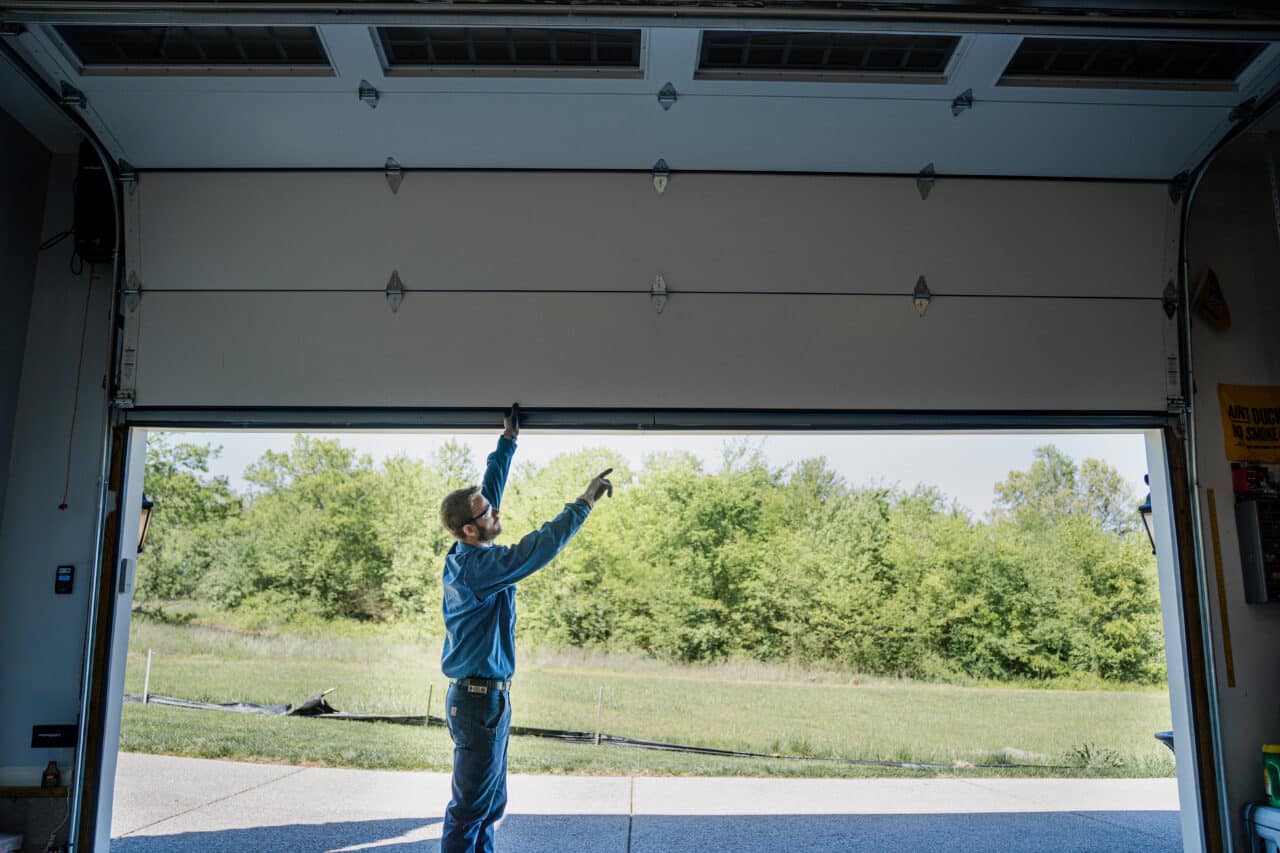
When it comes to optimizing your home’s energy efficiency, one area often overlooked is the garage door. Ensuring your garage door is properly inspected and maintained can significantly impact your home’s energy consumption. Conducting a thorough garage door inspection for energy efficiency can help you save on energy bills and create a more comfortable living environment.
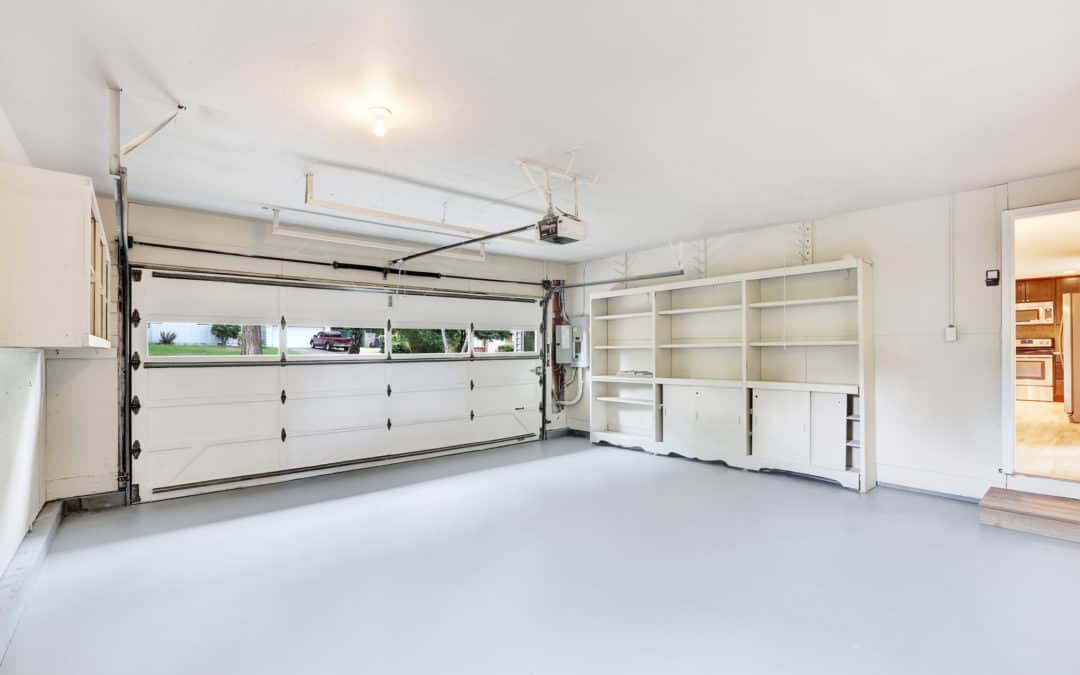
Why is Garage Door Inspection Important?
The garage door is a large opening in your home that, if not properly insulated and sealed, can lead to energy loss. A well-inspected and maintained garage door can prevent drafts, reduce energy consumption, and improve overall energy efficiency. Regular inspections can also prolong the lifespan of your garage door and its components.
Common Issues Affecting Energy Efficiency
- Worn Weather Stripping: Over time, the weather stripping around your garage door can wear out or become damaged, leading to air leaks.
- Poor Insulation: Many garage doors lack proper insulation, allowing heat to escape in the winter and enter in the summer.
- Misaligned Tracks: Misalignment can cause gaps between the door and the frame, reducing energy efficiency.
- Old or Damaged Doors: Older doors may not be designed with energy efficiency in mind, and damaged doors can compromise insulation.
Steps for Conducting a Garage Door Inspection
1. Check Weather Stripping
Inspect the weather stripping along the sides and bottom of the garage door. Look for cracks, gaps, or signs of wear. Replacing worn weather stripping can prevent drafts and improve energy efficiency. For more on inspecting garage door weather seals, visit Inspect Garage Door Weather Seal.
2. Evaluate Door Insulation
Check if your garage door is insulated. Insulated doors can significantly reduce energy loss. Consider upgrading to an insulated door if yours lacks this feature.
3. Inspect Door Alignment and Balance
A misaligned or unbalanced door can create gaps, allowing air to escape. Test the door balance by disconnecting the opener and manually lifting the door. It should remain in place if balanced correctly.
4. Examine Door Panels and Hardware
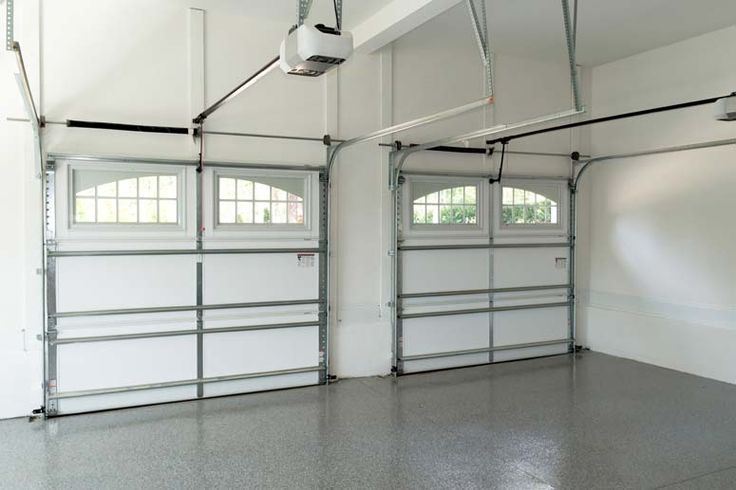
Check for cracks, dents, or damage in the door panels. Inspect all hardware, including hinges, springs, and tracks, for signs of wear or damage.
Improving Energy Efficiency
Upgrade to an Insulated Garage Door
If your current door lacks insulation, consider upgrading to a modern, insulated model. This upgrade can significantly improve energy efficiency and reduce heating and cooling costs.
Install a Smart Garage Door Opener
Smart openers offer better control over your garage door’s operation, allowing you to ensure it is closed when not in use. For more on garage door security, visit Garage Security.
Regular Maintenance and Professional Inspections
Schedule regular maintenance and inspections with a professional to ensure your garage door remains in optimal condition. Regular check-ups can help catch potential issues early. For signs you need a garage door inspection, refer to Garage Door Inspection Signs.
Additional Tips for Homeowners
Seal Internal Garage Door
If your garage is attached to your home, ensure the door leading into the house is well-sealed to prevent energy loss.
Consider Weather Patterns
Local weather patterns can impact the effectiveness of your garage door’s insulation. Ensure your door is equipped to handle the climate in your area.
Conclusion
A thorough garage door inspection for energy efficiency is crucial for maintaining a comfortable and energy-efficient home. By identifying and addressing common issues, upgrading to an insulated door, and performing regular maintenance, you can significantly reduce energy consumption and save on utility bills.
Frequently Asked Questions
What are the benefits of an insulated garage door?
Insulated garage doors reduce energy loss, improve home comfort, and can lower heating and cooling costs.
How often should I inspect my garage door?
It’s recommended to inspect your garage door at least twice a year to ensure optimal performance and energy efficiency.
Can I conduct a garage door inspection myself?
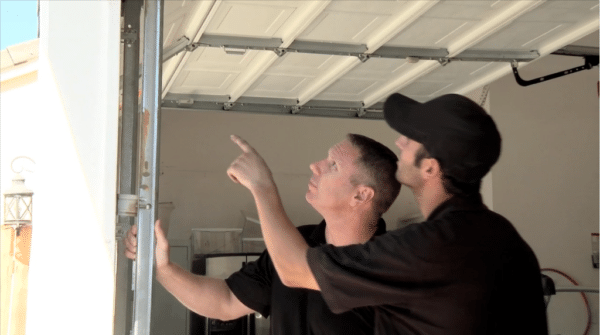
While homeowners can perform basic inspections, it’s advisable to hire a professional for a comprehensive assessment. For a DIY checklist, visit DIY Garage Door Inspection Checklist.
This article contains affiliate links. We may earn a commission at no extra cost to you.