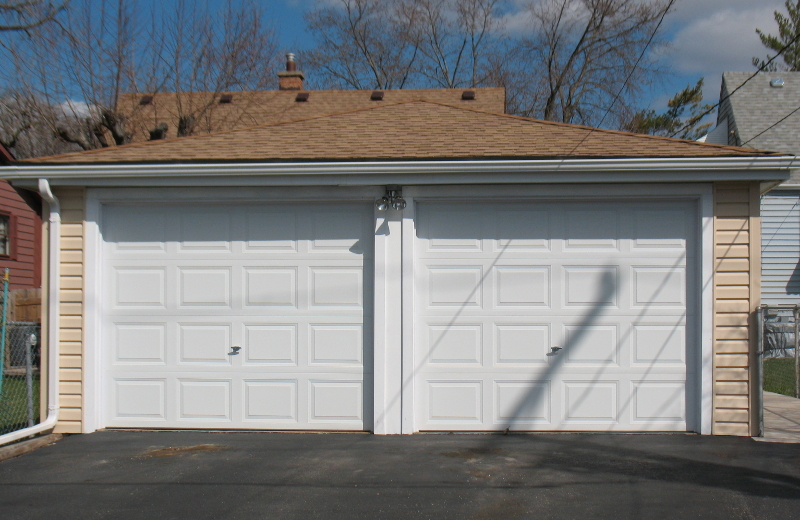
Homeowners often take pride in their properties, and a significant part of maintaining a home is ensuring that all components function correctly. One essential yet often overlooked part of home maintenance is the garage door. If you own a fiberglass garage door, you might wonder how to keep it in top shape. This guide will help you understand how to inspect fiberglass garage doors effectively to ensure they are operating smoothly.
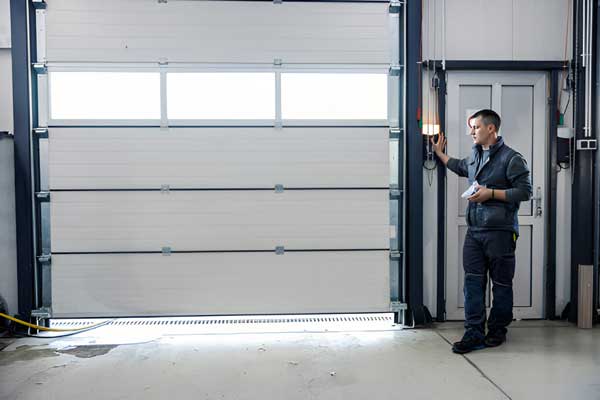
Why Inspect Fiberglass Garage Doors?
Fiberglass garage doors are popular due to their durability and aesthetic appeal. However, like any other home component, they require regular inspections to maintain their functionality. Regular inspections can help identify minor issues before they escalate into costly repairs.
Gathering Your Inspection Tools
Before you begin the inspection, gather all necessary tools. You will need a flashlight, a screwdriver, a level, and a step ladder. These tools will help you perform a thorough inspection of your fiberglass garage door.
Inspecting the Door Panels
The door panels are the most visible part of the garage door. Look for any cracks, chips, or discoloration. These could indicate damage or wear that needs attention.
Checking the Hardware
Inspect the nuts, bolts, and screws that hold your garage door together. Ensure they are tight and not rusted. Loose or rusted hardware can impair the door’s functionality.
Examining the Door Balance
Proper door balance is crucial for the smooth operation of your garage door. Disconnect the automatic opener and manually open the door halfway. If it stays in place, the door is balanced. If not, it might be time to call a professional.
Testing the Door’s Alignment
Use a level to check the door’s alignment. Misalignment can cause the door to operate inefficiently and may lead to further damage.
Inspecting the Weather Seal
The weather seal keeps out the elements and ensures energy efficiency. Check for any gaps or wear in the seal that might need replacement. For more information on inspecting your garage door weather seal, visit weather seal inspection.
Lubricating Moving Parts
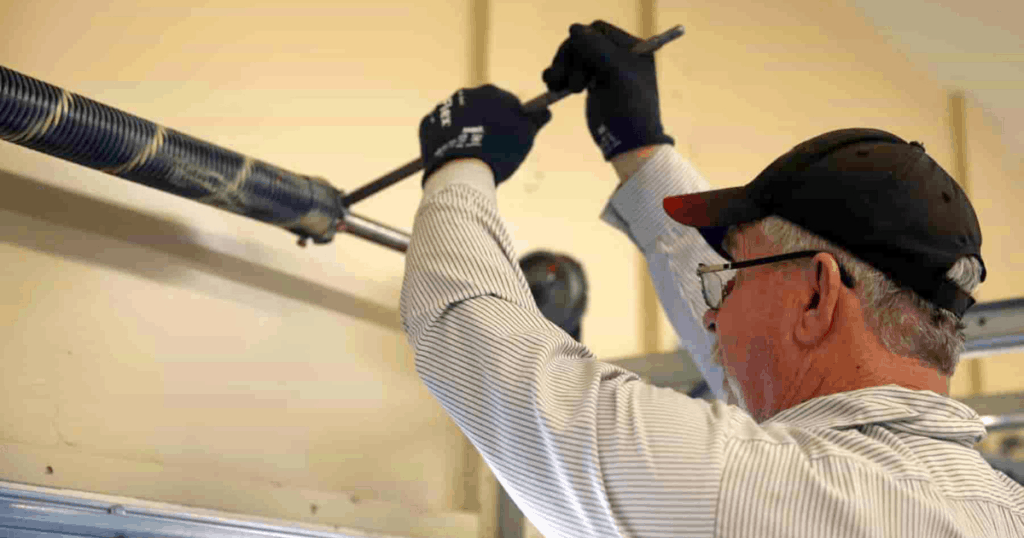
Regular lubrication of moving parts such as hinges, rollers, and springs is vital. Use a silicone-based lubricant for the best results.
Safety Features Check
Ensure all safety features of the door, such as the automatic reversal system, are working correctly. This system prevents accidents by reversing the door if it detects an obstruction.
Inspecting the Garage Door Opener
Test the garage door opener to ensure it is functioning correctly. Listen for any unusual noises that might indicate a problem. For more detailed guidance, check out this garage door keypad inspection guide.
When to Call a Professional
While many inspection tasks can be done by homeowners, some issues require a professional’s expertise. If you notice significant damage or if the door is not operating smoothly, it might be time to call in a professional. For more signs that you need a professional inspection, visit professional inspection signs.
Dealing with Common Issues
Some common issues with fiberglass garage doors include sticking, unusual noises, and slow operation. Addressing these issues promptly can prevent further damage.
Conclusion
Regular inspection and maintenance of your fiberglass garage door can prolong its lifespan and ensure it operates efficiently. By following these steps, you can identify potential problems early and take the necessary actions to address them.
FAQ Section
How often should I inspect my fiberglass garage door?
It is recommended to inspect your garage door at least twice a year to ensure all components are functioning correctly.
What should I do if I find a crack in my fiberglass garage door?
If you find a crack, it’s best to consult a professional to assess the damage and recommend the appropriate repair.
Can I perform all inspections myself?
While many inspection tasks can be done by homeowners, certain issues, especially those involving the springs and balance, should be handled by professionals to ensure safety.
This article contains affiliate links. We may earn a commission at no extra cost to you.