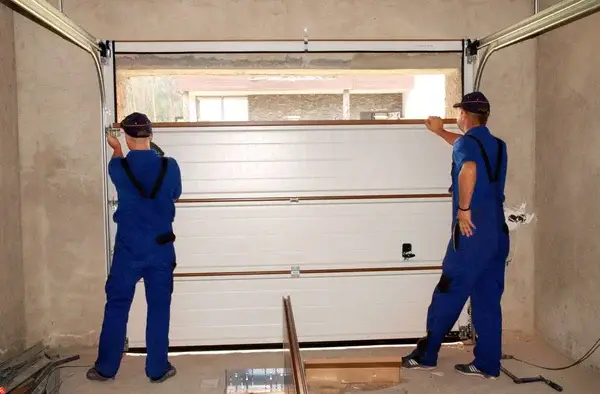
Ensuring your garage door is properly balanced is crucial for maintaining its longevity and functionality. Not only does a balanced garage door operate more efficiently, but it also minimizes wear and tear on the door mechanism. In this guide, we will delve into how to inspect garage door balance at home and why it’s important for every homeowner.
Understanding Garage Door Balance
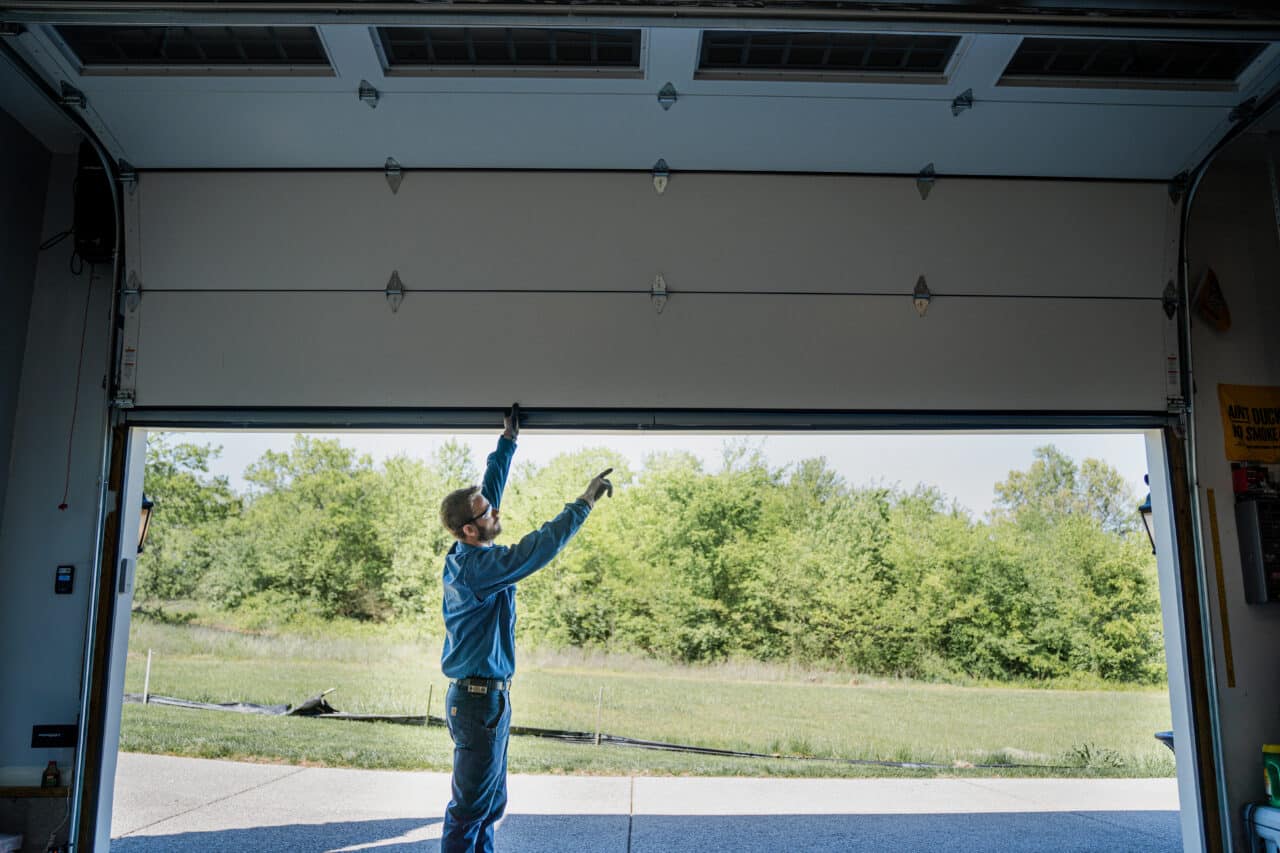
Before diving into the inspection process, it’s important to understand what garage door balance means. A balanced garage door is one that can remain halfway open without drifting up or down. This indicates that the door’s weight is evenly distributed across its springs and other components.
Signs of an Unbalanced Garage Door
Knowing the signs of an unbalanced garage door can help you address issues before they become bigger problems. Common signs include:
- Uneven movement when opening or closing the door.
- Strange noises such as grinding or squeaking.
- The door slams shut instead of gently closing.
Why Balance Matters
An unbalanced garage door can lead to various issues. Not only does it put stress on the door opener, but it can also pose safety risks. An unbalanced door is more likely to fall suddenly, potentially causing injury or damage.
Tools You’ll Need
To inspect your garage door balance, you will need some basic tools:
- Stepladder
- Safety goggles
- Gloves
- Wrench set
Step-by-Step Guide to Inspecting Garage Door Balance
Step 1: Disconnect the Opener
Before starting the inspection, disconnect the garage door opener. This ensures that the door moves freely and is not influenced by the motor.
Step 2: Check the Door’s Balance
Manually lift the door to the halfway point and release it. A balanced door will stay in place, while an unbalanced one will move up or down.
Step 3: Inspect the Springs
The springs are crucial components in maintaining balance. Look for signs of wear or damage. If you notice any issues, it might be time to consult a professional. For more detailed guidance, visit our article on garage door bearings.
Step 4: Examine the Tracks
Check the tracks for any obstructions or debris that could affect the door’s movement. Ensure they are properly aligned and clean.
Step 5: Test the Door’s Functionality
Reconnect the opener and test the door’s functionality. Ensure it opens and closes smoothly without any unusual noises.
When to Seek Professional Help
While inspecting your garage door balance can be a DIY project, certain issues require professional expertise. If you notice significant problems with the springs or other components, it’s best to consult a professional. For more tips, check out this external resource.
Benefits of Professional Maintenance
Professional maintenance ensures that all components are in top condition, reducing the risk of accidents and prolonging the lifespan of your garage door.
Preventive Measures
Regular maintenance and checks can prevent major issues. Ensure that all components are lubricated and free of rust. For more on preventing corrosion, visit our guide on garage door corrosion.
Frequently Asked Questions
How often should I check my garage door balance?
It’s recommended to check your garage door balance at least twice a year to ensure it’s functioning properly.
Can I fix an unbalanced garage door myself?
While minor adjustments can be made at home, it’s advisable to consult a professional for major issues to ensure safety and proper repair.
What are the risks of ignoring garage door balance?
Ignoring balance issues can lead to more significant problems, including damage to the opener and potential safety hazards.
Maintaining a balanced garage door is essential for the safety and efficiency of your home. By regularly inspecting and maintaining your garage door, you can avoid costly repairs and ensure a smooth operation. For more information on garage door maintenance, explore our guide on garage door pulley system.
This article contains affiliate links. We may earn a commission at no extra cost to you.