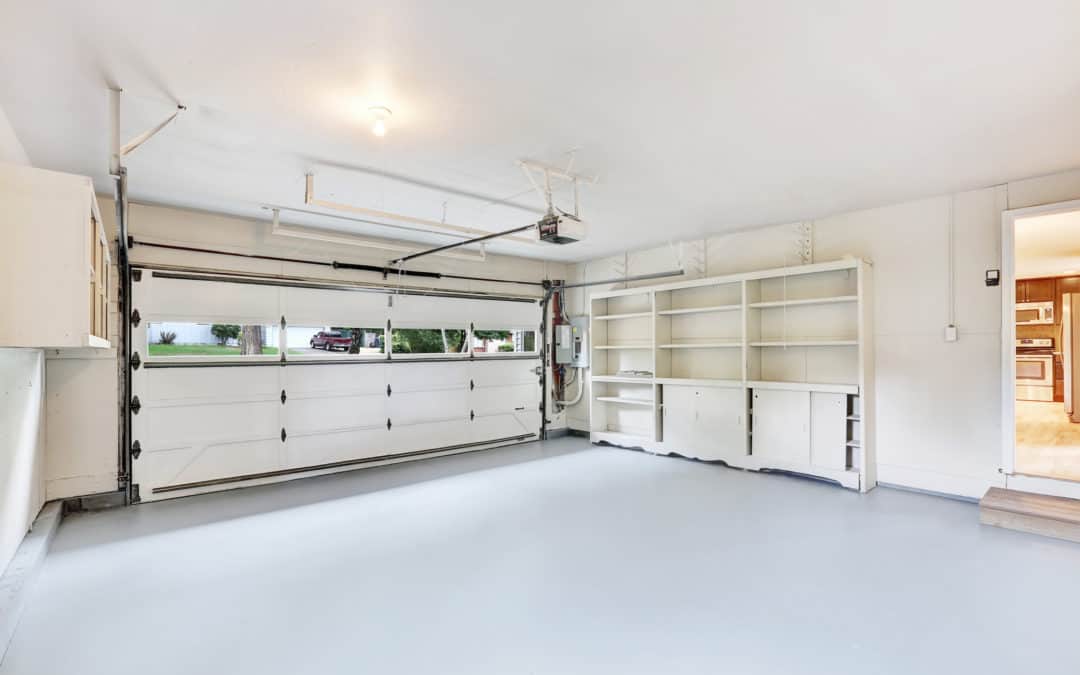
Maintaining your garage door is an essential part of home upkeep. Among the various components that require regular attention, the garage door bottom seal stands out as a crucial element. Knowing how to inspect garage door bottom seal can save you from unnecessary repairs and maintain your home’s energy efficiency.
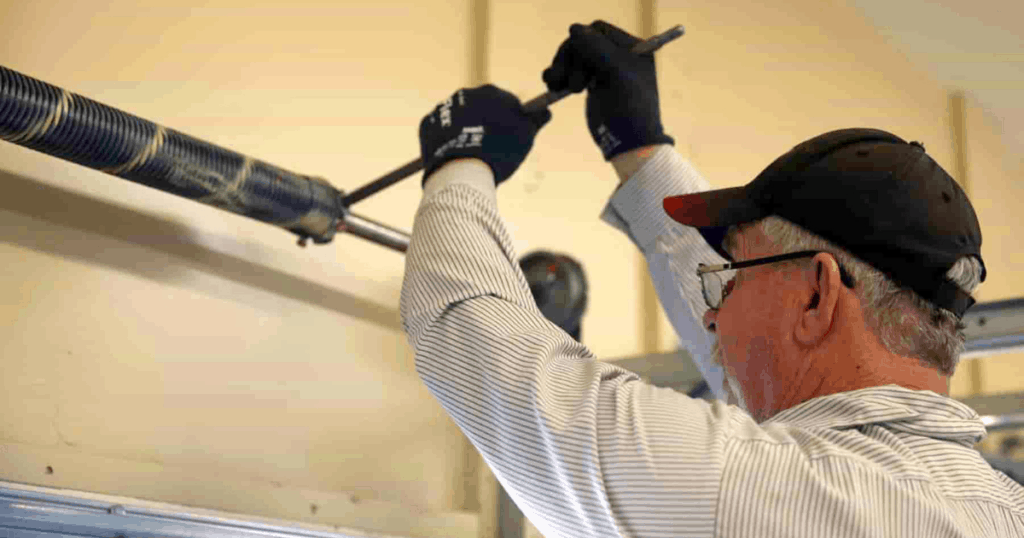
Why is the Garage Door Bottom Seal Important?
The garage door bottom seal helps to keep out debris, pests, and weather elements such as rain and snow. A well-maintained seal ensures that your garage remains a clean and protected space. It also contributes to the overall energy efficiency of your home by preventing drafts and heat loss.
Signs of a Damaged Bottom Seal
Before learning how to inspect it, be aware of the signs that indicate potential damage. Look for visible cracks, gaps, or wear and tear. If you notice an increase in pests or water entering your garage, it may be time to inspect the bottom seal.
How to Inspect Your Garage Door Bottom Seal
Begin your inspection by closing the garage door and examining the seal’s condition. Check for cracks, tears, and if the seal fits snugly against the floor. If the seal appears worn or doesn’t touch the floor evenly, it might need replacing.
Steps to Inspecting the Seal
Step 1: Gather Your Tools
To effectively inspect and potentially replace the seal, you’ll need a few tools: a flashlight, a utility knife, and a measuring tape.
Step 2: Visual Inspection
Use a flashlight to closely examine the seal. Look for any signs of deterioration or gaps between the seal and the floor.
Step 3: Check for Light and Air Leaks
Turn off the garage lights and check for any light coming through the bottom of the door. This can indicate areas where the seal is not making contact with the floor.
Step 4: Test for Air Leaks
On a windy day, feel for drafts around the bottom of the door. This can help identify any sections where the seal is failing.
When to Replace Your Garage Door Bottom Seal
If your inspection reveals significant damage or the seal is not performing its function, it’s time to replace it. Regular replacement prevents long-term damage and maintains energy efficiency.
Choosing the Right Replacement Seal
When selecting a new seal, consider the material and size. Rubber seals offer durability, while vinyl seals are more economical. Ensure the new seal fits your garage door model.
Installation Guide for New Seals
Step 1: Remove the Old Seal
Carefully remove the old seal using a utility knife. Be cautious not to damage the door or the track.
Step 2: Measure and Cut the New Seal
Measure the width of your garage door and cut the new seal accordingly. Ensure a snug fit to prevent any gaps.
Step 3: Install the New Seal
Slide the new seal into the groove at the bottom of the door. Make sure it is evenly distributed across the length of the door.
Maintaining Your Garage Door Bottom Seal
Regular maintenance extends the life of your bottom seal. Clean it regularly to remove debris and inspect it periodically to catch any early signs of wear.
Professional Inspection and Maintenance
For those who prefer expert assistance, consider hiring professionals for a comprehensive garage door inspection. This ensures all components, including the bottom seal, function optimally. For more information on what a professional inspection entails, you can read this detailed guide on garage door inspections.
Additional Resources
You can explore how to inspect other parts of your garage door, such as the garage door keypad and understand the importance of a post-storm inspection to maintain your garage’s integrity.
FAQs
How often should I inspect my garage door bottom seal?
It’s advisable to inspect your bottom seal every six months to ensure it remains in good condition and functions effectively.
Can I replace the garage door bottom seal myself?
Yes, with the right tools and guidance, homeowners can replace the seal themselves. However, if unsure, professional help is recommended.
What materials are best for garage door bottom seals?
Rubber and vinyl are popular choices. Rubber offers better durability, while vinyl is cost-effective.
This article contains affiliate links. We may earn a commission at no extra cost to you.