Maintaining a well-functioning garage door is crucial for the security and convenience of your home. Among the various components of a garage door, garage door hinges play a vital role in ensuring smooth operation. Knowing how to inspect garage door hinges can save you from unexpected repairs and ensure the longevity of your door. In this article, we’ll delve into the steps of inspecting garage door hinges, provide tips on maintaining them, and explore the importance of regular checks.
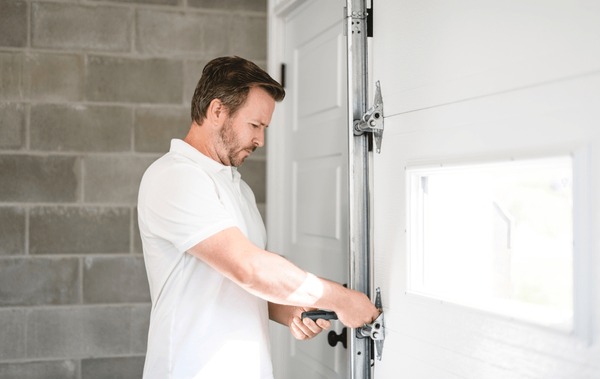
Understanding the Importance of Garage Door Hinges
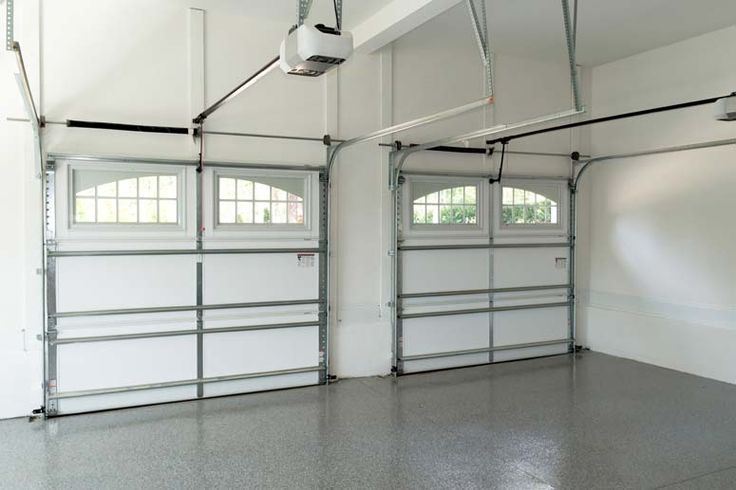
Garage door hinges are essential for the movement and stability of your door. They connect the door panels and allow the door to open and close smoothly. Regular inspections can help identify any wear or damage early, preventing costly repairs.
Why Regular Inspections Matter
Regular inspections of garage door hinges are crucial for several reasons. Firstly, they help in identifying any signs of wear and tear. Secondly, they can prevent potential safety hazards. Lastly, regular checks can extend the lifespan of your garage door.
Signs Your Hinges Need Inspection
There are a few telltale signs that your garage door hinges need inspection. These include unusual noises, difficulty in opening or closing the door, and visible rust or damage on the hinges.
Tools You Need for Inspection
Before you begin the inspection, gather the necessary tools. You will need a screwdriver, a wrench, a flashlight, and some lubricant. Having these tools handy will make the process smoother.
Preparing for the Inspection
Start by ensuring the garage door is closed. This will make it easier to inspect the hinges without any risk of the door moving unexpectedly.
Step-by-Step Guide to Inspecting Garage Door Hinges
- Visual Inspection: Begin with a visual inspection. Look for any signs of rust, wear, or damage on the hinges.
- Check for Tightness: Use a screwdriver or wrench to check if the hinges are securely fastened. Tighten any loose screws or bolts.
- Listen for Noises: Open and close the door a few times, listening for any unusual sounds that might indicate a problem.
- Test the Movement: Ensure the door opens and closes smoothly. If you notice any resistance, it could be a sign of hinge issues.
Common Problems with Garage Door Hinges
Some common problems you might encounter with garage door hinges include rust, misalignment, and wear. Addressing these issues promptly can prevent more significant problems down the line.
Rust and Corrosion
Rust and corrosion are common issues, especially in humid areas. Regular lubrication can help prevent this problem. You can read more about maintaining your garage door in humid conditions here.
Misalignment
Misaligned hinges can cause the door to operate unevenly. This can be fixed by adjusting the hinges and ensuring they are properly aligned.
Wear and Tear
Over time, hinges can wear out. Regular checks can help identify any signs of wear before they become a significant issue.
When to Call a Professional
While many garage door hinge issues can be fixed with a DIY approach, some problems require professional assistance. If you find broken hinges or if the door is not operating correctly despite your efforts, it’s best to call a professional.
Benefits of Professional Inspections
Professional inspections can provide a more thorough assessment of your garage door’s condition. They can identify issues you might have missed and offer solutions to ensure your door operates smoothly.
Maintaining Your Garage Door Hinges
Regular maintenance is key to extending the life of your garage door hinges. This includes regular lubrication, tightening screws, and checking for any signs of wear.
Lubrication Tips
Applying lubricant to the hinges can prevent rust and ensure smooth operation. Use a high-quality lubricant designed for garage doors for the best results.
Tightening Screws
Loose screws can lead to misalignment and other issues. Regularly check and tighten any loose screws to keep your hinges in good condition.
Conclusion
Knowing how to inspect garage door hinges is an essential skill for any homeowner. Regular inspections and maintenance can prevent costly repairs and ensure your garage door operates smoothly. By following the steps outlined in this guide, you can keep your garage door in top condition.
Frequently Asked Questions
How often should I inspect my garage door hinges?
It’s recommended to inspect your garage door hinges at least twice a year. Regular inspections can help identify potential issues early.
What should I do if I find rust on my hinges?
If you find rust on your garage door hinges, clean them with a rust remover and apply lubricant to prevent further rusting.
Can I replace garage door hinges myself?
While some homeowners can replace garage door hinges themselves, it’s often best to hire a professional to ensure the job is done correctly and safely.
This article contains affiliate links. We may earn a commission at no extra cost to you.