Every homeowner knows the importance of maintaining their property, and one often overlooked part is the garage door. Regularly inspecting garage door components, especially the hinges, is crucial for ensuring the door functions properly. Learning how to inspect garage door hinges can help you catch problems early, avoiding costly repairs or replacements. In this comprehensive guide, we’ll walk you through the process of inspecting your garage door hinges effectively.

Understanding Garage Door Hinges
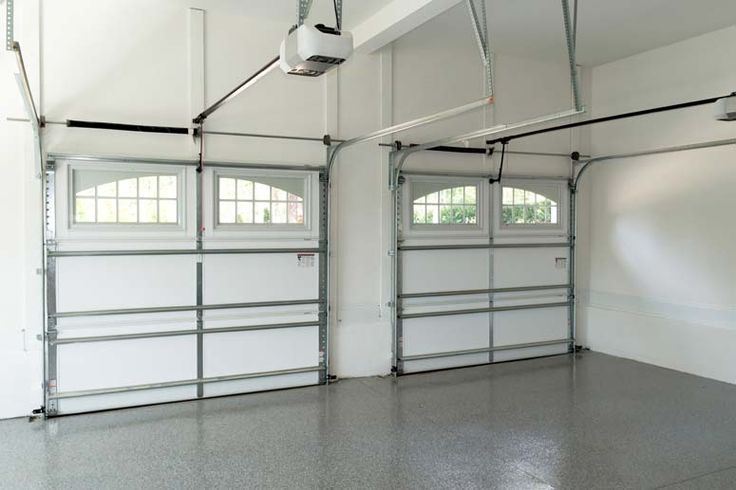
Before diving into the inspection, it’s essential to understand what garage door hinges are and their role. Hinges connect the different sections of the garage door, allowing it to open and close smoothly. They are subjected to frequent movement and bear a significant amount of weight, making them prone to wear and tear over time.
Types of Garage Door Hinges
There are several types of garage door hinges, each designed for specific functions. Understanding these can help you inspect them better:
- Standard Hinges: These are the most common and are used in most residential garage doors.
- Heavy-Duty Hinges: Designed for larger, heavier doors, providing extra support.
- Specialty Hinges: Used for custom or unique garage door designs.
Signs of Hinge Wear and Tear
Knowing the signs of hinge wear can help you determine if an inspection is necessary:
- Squeaky or Noisy Hinges: Noise indicates that lubrication is needed or that the hinge is wearing out.
- Rust and Corrosion: Visible rust can weaken hinges and should be addressed immediately.
- Loose Hinges: Hinges that are visibly loose or wobbly can lead to misalignment and door malfunction.
Step-by-Step Guide on Inspecting Garage Door Hinges
Now that you know the signs of wear, let’s dive into the inspection process:
Gather Necessary Tools
Before you start, gather the necessary tools:
- Screwdriver
- Wrench
- Lubricant
- Safety glasses
Conduct a Visual Inspection
Start by visually inspecting the hinges for any obvious signs of damage or wear. Look for rust, cracks, or loose screws.
Test the Hinges
Open and close the garage door to see if there are any unusual noises or resistance. This can indicate a problem with the hinges.
Tighten Loose Screws
If you find any loose screws, use a screwdriver to tighten them. This can prevent further damage and ensure the door operates smoothly.
Apply Lubrication
Applying lubricant to the hinges can reduce noise and wear. Use a silicone-based lubricant for best results.
When to Call a Professional
While regular inspections can prevent many issues, there are times when a professional is needed. If you notice significant rust, cracks, or if the door doesn’t operate correctly despite your efforts, it’s time to contact a service provider. You can learn more about when to seek professional help by visiting Signs you need an inspection.
Maintaining Your Garage Door Hinges
Regular maintenance is key to extending the lifespan of your garage door hinges. Here are some tips:
- Conduct routine inspections every few months.
- Lubricate hinges regularly to prevent rust and reduce noise.
- Replace damaged hinges promptly to avoid further damage.
For more detailed guidance, you can check out this external guide on garage door inspection.
FAQs
Why are my garage door hinges squeaking?
Squeaking hinges typically indicate the need for lubrication. Applying a silicone-based lubricant can reduce noise and wear.
How often should I inspect my garage door hinges?
It’s recommended to inspect your garage door hinges every three to six months, depending on usage.
What should I do if I find rusty hinges?
If you find rust, try to clean it off and apply a rust inhibitor. If the rust is severe, consider replacing the hinges.
Inspecting your garage door hinges regularly can save you time and money in the long run. By following these steps, you can ensure your garage door remains in good working condition, providing safety and convenience for your home.
This article contains affiliate links. We may earn a commission at no extra cost to you.