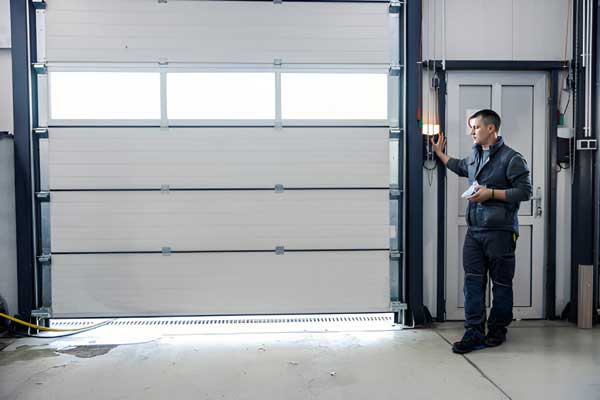
Ensuring the smooth and safe operation of your garage door is critical for every homeowner. Regular inspections can prevent costly repairs and maintain the longevity of your garage door system. In this article, we will delve into how to inspect garage door movement effectively, providing homeowners with the knowledge to carry out a thorough check.
Understanding the Basics of Garage Door Movement
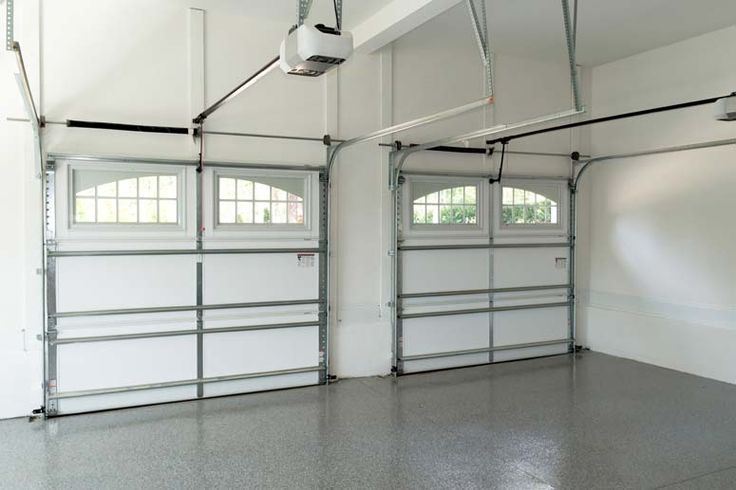
Before diving into the inspection process, it’s essential to understand the fundamental components of a garage door system. These include the garage door opener, tracks, rollers, and springs. Each part plays a vital role in the door’s movement, and understanding their function will aid in identifying potential issues.
The Role of the Garage Door Opener
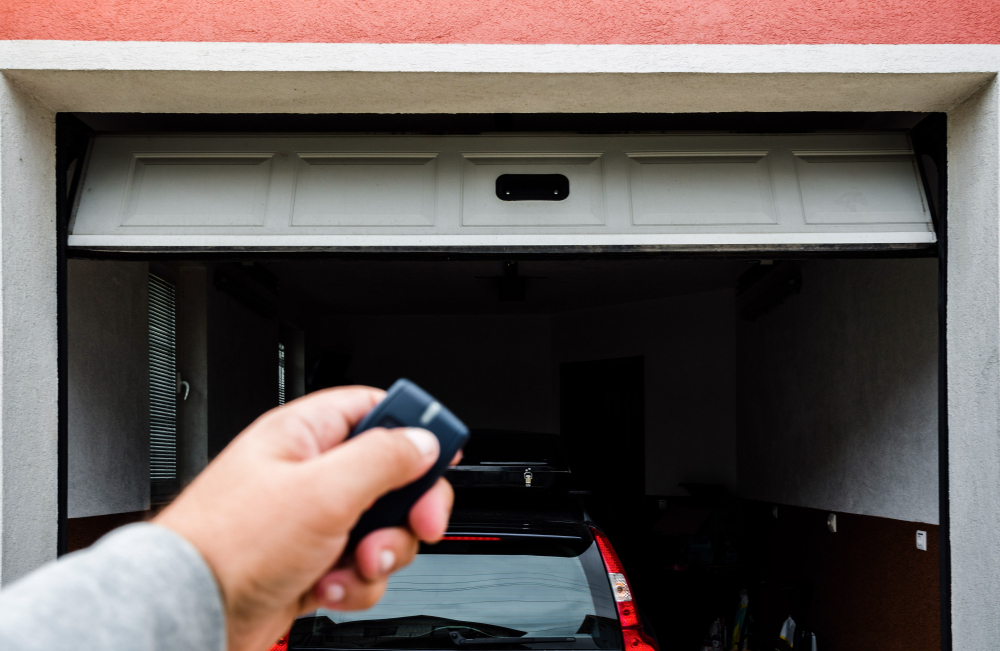
The garage door opener is the motorized device that controls the opening and closing of the door. It is crucial to check the opener for any unusual noises or delays in response, which could indicate a need for maintenance or repairs.
Examining the Tracks and Rollers
The tracks guide the door as it opens and closes, while the rollers allow for smooth movement. Inspecting these components for dirt, obstructions, or signs of wear can prevent larger problems from developing.
Step-by-Step Guide to Inspecting Garage Door Movement
Now that we have a basic understanding, let’s explore the step-by-step process of how to inspect garage door movement effectively.
Step 1: Visual Inspection
Begin with a visual inspection of the entire garage door system. Look for any obvious signs of damage such as dents in the door, loose hardware, or frayed cables. This initial assessment can help pinpoint areas that need closer attention.
Step 2: Test the Balance
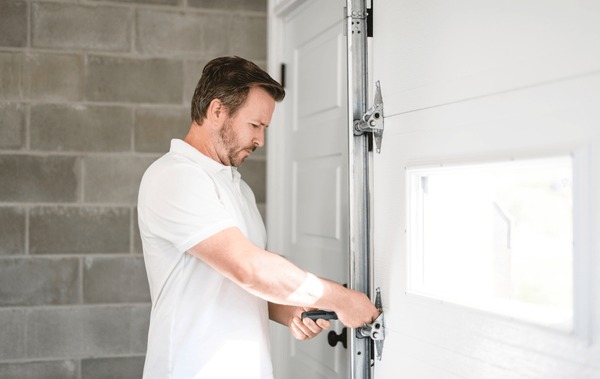
A well-balanced door is crucial for smooth operation. To test this, disconnect the opener by pulling the release handle. Manually lift the door halfway and release it. If the door stays in place, it is balanced. If it falls or rises, there may be a problem with the springs.
Step 3: Check the Opener Settings
Ensure the opener’s settings are correctly adjusted. Refer to the manufacturer’s manual for guidance on adjusting the force and limit settings. Improper settings can lead to jerky movements or the door not closing completely.
Common Issues Affecting Garage Door Movement
During your inspection, you may encounter common issues that affect the movement of your garage door. Identifying these problems early can save time and money on repairs.
Problem 1: Noisy Operation
Noisy garage doors are often attributed to worn-out rollers or the need for lubrication. Regularly lubricating the moving parts can significantly reduce noise and improve operation.
Problem 2: Door Sticking or Jerking
If your door sticks or jerks during operation, it may be due to misaligned tracks or damaged rollers. Inspecting these components and making necessary adjustments can resolve the issue.
Advanced Tips for Maintaining Your Garage Door
Beyond regular inspections, there are advanced tips to ensure your garage door remains in top condition.
Tip 1: Regular Lubrication
Consistent lubrication of the tracks, rollers, and hinges minimizes friction and promotes smooth movement. Use a silicone-based lubricant for the best results.
Tip 2: Tighten Loose Hardware
Vibration and use can loosen hardware over time. Regularly check and tighten bolts and screws to maintain the door’s structural integrity.
Tip 3: Replace Weatherstripping
Weatherstripping prevents drafts and moisture from entering your garage. Inspect and replace it as needed to maintain energy efficiency and protect your garage’s contents.
FAQs
Why is my garage door making loud noises?
Loud noises often indicate a need for lubrication or may signal worn-out parts that require replacement.
Can I adjust the garage door springs myself?
It’s recommended to hire a professional to adjust springs due to the high tension they hold, which can be dangerous to handle without proper knowledge.
How often should I inspect my garage door?
Conducting a basic inspection every three to six months is advisable to catch any issues early and ensure smooth operation.
For more detailed information and professional assistance, consider visiting ABC Doors or Zuper Blog.
For further insights on garage door maintenance, you might find these articles useful: Steel Garage Doors, Inspection After Storm, and Signs You Need Inspection.
This article contains affiliate links. We may earn a commission at no extra cost to you.