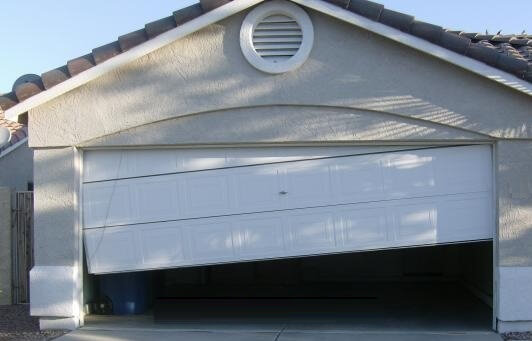
A malfunctioning garage door can be both inconvenient and potentially dangerous. One of the most common issues homeowners face is a cable that has slipped off its track. Recognizing the signs early can help prevent further damage and ensure your safety. This guide will walk you through the key indicators, causes, and steps to identify when your garage door cable is off track, along with practical advice on what to do next.
Understanding the warning signs and knowing what to look for can save you time and money. If you’re experiencing unusual noises, uneven movement, or visible cable issues, it’s important to address the problem promptly. For those interested in preventative care, learning about the importance of garage door lubrication can also help avoid cable and track problems in the future.
Common Signs Your Garage Door Cable Has Slipped
Spotting a cable issue early is crucial for preventing further mechanical failures. Here are the most frequent symptoms that suggest your garage door cable may be off its track:
- Uneven Door Movement: If one side of the door rises or lowers faster than the other, or the door appears crooked, this often points to a cable problem.
- Visible Cable Slack or Detachment: Cables should be taut and properly aligned. If you notice slack, fraying, or a cable hanging loose, it’s a clear sign something is wrong.
- Loud Noises or Grinding: Unusual sounds, such as grinding, scraping, or banging, can indicate that the cable has come off the drum or track.
- Door Stuck or Jammed: A door that won’t open or close smoothly, or gets stuck halfway, may have a cable off track.
- Gaps Between Rollers and Track: If you see gaps or misalignment, the cable may have slipped, causing the door to move out of its normal path.
These symptoms are often accompanied by visible wear on the cables or pulleys. If you notice any of these issues, it’s best to stop operating the door and inspect further.
Visual Inspection: What to Look For
Performing a careful inspection can help confirm whether your garage door cable has come off its track. Here’s how to check safely:
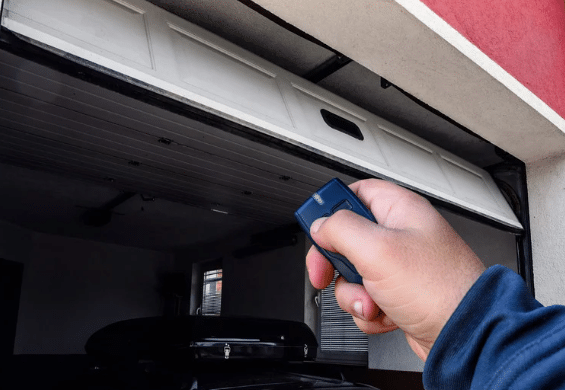
- Disconnect the Opener: Unplug the automatic opener or pull the emergency release cord to prevent accidental movement.
- Examine the Cables: Look along both sides of the door for cables that are loose, frayed, or completely off the drum.
- Check the Tracks and Rollers: Inspect for bent tracks, misaligned rollers, or debris that could have caused the cable to slip.
- Inspect the Springs: Broken or weak springs can cause uneven tension, leading to cable issues.
- Look for Obstructions: Make sure nothing is blocking the door’s path or interfering with the cable system.
Why Garage Door Cables Go Off Track
Understanding the causes behind cable derailment can help you prevent future problems. The most common reasons include:
- Worn or Rusty Components: Over time, cables and pulleys can wear out or corrode, making them more likely to slip.
- Poor Maintenance: Lack of regular lubrication or cleaning can cause cables to bind or become misaligned. For tips on keeping your system running smoothly, see our article on importance of garage door lubrication.
- Physical Obstructions: Debris or objects in the track can force the cable out of alignment.
- Improper Installation: If cables are not installed with the correct tension, they can easily come off the drum.
- Broken Springs: Springs that lose tension or break can cause uneven lifting, leading to cable issues.
- Sudden Impact: Accidentally hitting the door with a vehicle or heavy object can jar the cables loose.
What to Do If You Suspect a Cable Is Off Track
If you notice any of the warning signs or confirm that a cable is off, it’s important to act safely:
- Stop Using the Door: Avoid opening or closing the door until the issue is resolved to prevent further damage or injury.
- Disconnect Power: Unplug the opener and use the manual release to prevent accidental activation.
- Do Not Attempt Major Repairs Yourself: Garage door cables are under high tension and can be dangerous. Unless you have experience, it’s best to call a professional.
- Schedule Professional Service: A trained technician can safely realign or replace the cable, inspect for additional damage, and restore safe operation.
- Consider Preventative Maintenance: Regularly lubricate moving parts and check for signs of wear to minimize future problems.
If your door is stopping halfway or behaving unpredictably, you may also want to review garage door balance and halfway stopping for additional troubleshooting tips.
How Cable Problems Affect Garage Door Performance
When a cable comes off its track, the entire door system is compromised. Here’s what you might experience:
- Inconsistent Movement: The door may jerk, hesitate, or stop unexpectedly.
- Increased Wear: Other components, such as rollers and tracks, may suffer extra strain, leading to further breakdowns.
- Safety Risks: A door with a loose or broken cable can fall suddenly, posing a serious hazard to people and property.
- Opener Damage: The automatic opener may overwork or burn out if it tries to move a jammed or uneven door.
Preventing Garage Door Cable Issues
Regular maintenance is the best way to avoid cable derailment. Here are some steps you can take:
- Inspect Regularly: Check cables, tracks, and rollers for signs of wear or misalignment every few months.
- Lubricate Moving Parts: Use a quality garage door lubricant spray on hinges, rollers, and springs to reduce friction and wear.
- Keep Tracks Clean: Remove debris and dirt from tracks to ensure smooth movement.
- Test Door Balance: An unbalanced door puts extra strain on cables. For detailed steps, see garage door halfway track alignment tips.
- Schedule Professional Tune-Ups: Annual inspections by a technician can catch problems before they become serious.
For more on keeping your system safe and reliable, you can also check out how to test garage door sensors for safety and performance.
When to Call a Professional
While minor maintenance can be handled by most homeowners, cable repairs are best left to trained technicians. Attempting to fix a cable under tension can result in serious injury. If you’re unsure or notice significant damage, contact a garage door specialist for a safe and effective repair.
If your door stops halfway or won’t move at all, you may find additional guidance in this resource on garage door stops halfway issues.
Frequently Asked Questions
What causes a garage door cable to come off the track?
The most common causes include worn or frayed cables, broken springs, physical obstructions, and improper installation. Lack of maintenance and sudden impacts can also contribute to cables slipping off their drums or tracks.
Is it safe to operate my garage door if the cable is off?
No, operating a garage door with a cable off track is unsafe. The door may become unbalanced, get stuck, or even fall suddenly. It’s best to stop using the door and call a professional for repairs.
How can I prevent garage door cable problems?
Regular inspections, proper lubrication, and keeping tracks clean are key steps. Scheduling annual professional maintenance can also help catch and address issues before they become serious.