Understanding how to measure garage door spring tension is essential for anyone maintaining a garage door system. Springs are critical for balancing the door’s weight and ensuring smooth operation. If the tension is off, your garage door may become difficult to open, close unevenly, or even pose safety risks. This guide will walk you through the safe and effective way to check and measure the tension of your garage door springs, helping you maintain both performance and safety.
Before diving into the process, it’s important to remember that working with garage door springs can be hazardous due to the high tension they hold. Always use proper tools and safety precautions. If you’re unsure or uncomfortable, consider consulting a professional.
For those interested in broader maintenance, you may also want to review the garage door maintenance checklist for smooth operation, which covers essential upkeep tasks beyond just spring tension.
Why Checking Garage Door Spring Tension Matters
Garage door springs, whether torsion or extension types, are responsible for counterbalancing the door’s weight. If the tension is too high, the door may not close properly or could slam shut. If it’s too low, the door can become heavy and difficult to lift, putting strain on the opener and other components.
- Safety: Incorrect tension can cause accidents or injuries.
- Performance: Properly adjusted springs ensure smooth and quiet operation.
- Longevity: Balanced tension reduces wear on the opener and door panels.
Tools and Safety Equipment Needed
Before starting, gather the following tools and safety gear:
- Winding bars (for torsion springs)
- Adjustable wrench
- Measuring tape or ruler
- Marker or chalk
- Safety glasses and gloves
- Stepladder
Never use improvised tools for adjusting or measuring spring tension. Using the correct equipment is crucial for your safety.
Identifying Your Garage Door Spring Type
There are two main types of garage door springs:
- Torsion Springs: Mounted above the door opening, parallel to the top of the door.
- Extension Springs: Located on either side of the door, running parallel to the horizontal tracks.
The method for measuring tension will differ slightly depending on the spring type. Always identify your spring system before proceeding.
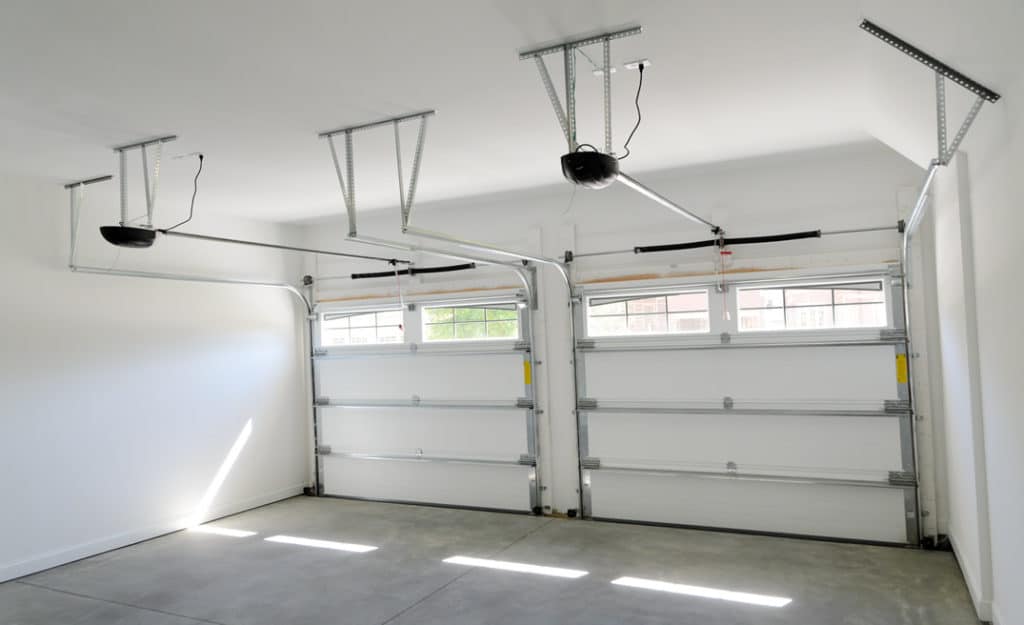
Step-by-Step Guide to Measuring Garage Door Spring Tension
Preparation and Safety First
Disconnect the garage door opener and ensure the door is fully closed. This reduces the risk of the door moving unexpectedly. Wear your safety glasses and gloves before handling any part of the spring system.
Measuring Torsion Spring Tension
- Mark the Shaft: Use a marker to make a reference point on the torsion shaft and spring.
- Loosen the Set Screws: Using an adjustable wrench, carefully loosen the set screws on the winding cone while holding the winding bar firmly in place.
- Count the Turns: To measure the current tension, count the number of turns or quarter-turns as you slightly unwind the spring. Each full turn typically represents a specific amount of tension.
- Measure the Door Balance: With the spring set, lift the door manually. If it stays in place at mid-height, the tension is likely correct. If it moves up or down, adjust accordingly.
- Re-tighten and Test: After adjustments, tighten the set screws and test the door’s movement several times.
Measuring Extension Spring Tension
- Disconnect the Safety Cable: Carefully remove the safety cable from the extension spring.
- Measure Spring Length: Use a tape measure to determine the length of the spring when the door is closed and when it is open. The difference indicates how much the spring stretches.
- Check Door Balance: Open the door halfway and see if it remains in place. If it falls or rises, the tension needs adjustment.
- Reattach Safety Cable: Once measurements and adjustments are complete, securely reattach the safety cable.
For a more detailed look at resolving operational issues, see tips on how to prevent garage door jamming.
Signs Your Garage Door Spring Tension Needs Adjustment
- The door feels unusually heavy or light when operated manually.
- The door does not stay in a partially open position.
- There is visible sagging or stretching in the springs.
- The opener struggles or makes unusual noises.
If you notice any of these symptoms, it’s a good indication that your spring tension may be off and requires checking.

Tips for Safe Spring Tension Adjustment
- Always work with the door in the closed position to minimize risk.
- Use only manufacturer-recommended tools and parts.
- Do not attempt to adjust springs that are visibly damaged or corroded—replace them instead.
- If you feel resistance or are unsure, stop and consult a professional.
- Lubricate springs after adjustment to ensure smooth operation and reduce noise.
For more on dealing with operational issues, you might find the article on garage door noise halfway issue helpful.
When to Call a Professional
While many homeowners can check and adjust spring tension with care, certain situations call for expert help:
- Broken or severely worn springs
- Unusual noises or erratic door movement
- Complex multi-spring systems
- Lack of proper tools or experience
Attempting to adjust or replace springs without the right knowledge can lead to injury or property damage. When in doubt, it’s always safer to hire a qualified technician.
Additional Resources and Maintenance Tips
Regular maintenance is key to extending the life of your garage door system. In addition to monitoring spring tension, keep tracks clean and lubricate moving parts. For step-by-step cleaning instructions, check out this guide on how to clean garage door tracks.
If you’re considering upgrading your opener or need to program a new one, you can find a detailed tutorial on how to program a garage door opener.
Frequently Asked Questions
How often should I check my garage door spring tension?
It’s a good idea to check spring tension at least once a year, or whenever you notice changes in the door’s operation. Regular checks help prevent unexpected failures and maintain safe performance.
Can I adjust garage door springs myself?
Many homeowners can safely adjust minor tension issues with the right tools and precautions. However, if you’re unsure or dealing with broken springs, it’s best to contact a professional to avoid injury.
What are the risks of incorrect spring tension?
Incorrect tension can cause the door to operate unsafely, potentially leading to accidents, damage to the opener, or premature wear on other components. Always test the door’s balance after any adjustment.
Why does my garage door only work manually but not automatically?
This could be related to spring tension, opener issues, or other mechanical problems. For more details, refer to the article on why garage door works manually but not automatically.
By following these steps and safety tips, you can confidently check and adjust your garage door spring tension, ensuring reliable and safe operation for years to come.