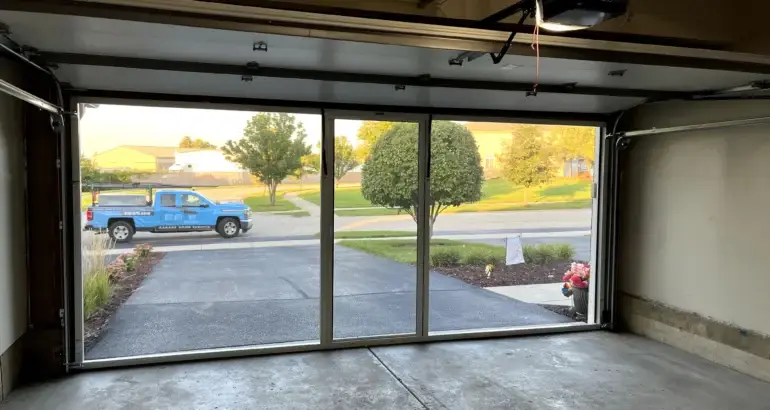
A garage door that moves smoothly and quietly is essential for both convenience and safety. Over time, the rollers that guide your garage door along its tracks can become misaligned, leading to noise, jerky movement, or even a door that gets stuck halfway. Learning how to realign garage door rollers can help you restore seamless operation and extend the life of your door system.
This guide will walk you through the process of diagnosing roller misalignment, the tools you’ll need, and step-by-step instructions for getting your garage door back on track. Regular maintenance and timely adjustments can prevent bigger issues, such as jamming or excessive wear on the door components. For a comprehensive approach to ongoing care, consider reviewing a garage door maintenance checklist to keep all parts in top shape.
Recognizing Signs of Misaligned Rollers
Before you begin any adjustments, it’s important to identify whether your garage door rollers are out of alignment. Some common symptoms include:
- Loud noises such as grinding, squeaking, or banging when the door operates
- The door moves unevenly or appears crooked as it opens or closes
- Visible gaps between the rollers and the tracks
- The door gets stuck or stops partway
- Rollers popping out of the track
If you notice any of these issues, it’s time to inspect your garage door system. For more information on related problems, such as a garage door noise halfway issue, you can find detailed troubleshooting steps online.
Essential Tools and Safety Precautions
Working on your garage door requires some basic tools and a focus on safety. Gather the following items before starting:
- Adjustable wrench or socket set
- Flathead screwdriver
- Pliers
- Step ladder
- Garage door lubricant spray
- Protective gloves and safety glasses
Always disconnect the garage door opener and ensure the door is in the down position before beginning any work. This prevents accidental movement and reduces the risk of injury.
Step-by-Step Guide: Adjusting Garage Door Rollers
Follow these steps to bring your garage door rollers back into proper alignment for smooth operation:
1. Inspect the Tracks and Rollers
Begin by visually inspecting the tracks on both sides of the door. Look for bends, dents, or obstructions. Check the rollers for signs of wear, such as cracks or flat spots. If the tracks are dirty, clean them thoroughly. For cleaning tips, see this guide on how to clean garage door tracks.
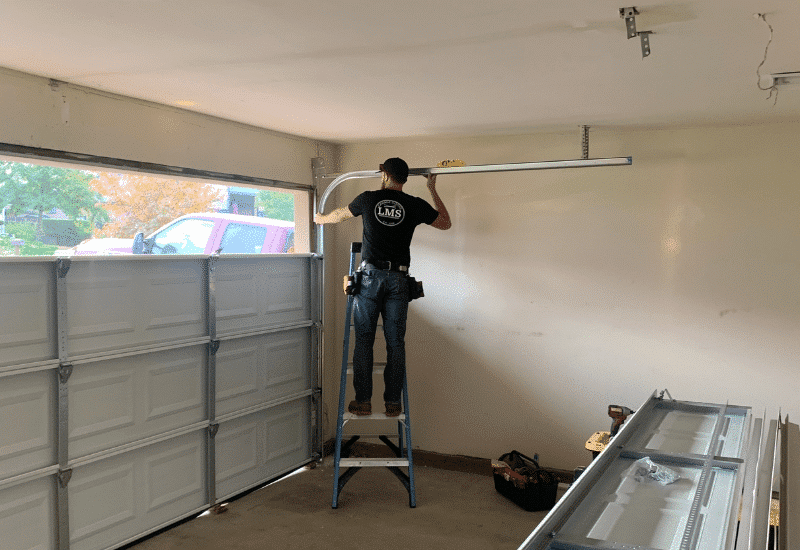
2. Loosen the Track Brackets
Using your wrench, gently loosen (but do not remove) the bolts holding the track brackets to the garage wall. This allows you to move the tracks slightly for realignment. Avoid over-loosening, as the tracks must remain supported.
3. Adjust the Tracks for Proper Alignment
With the brackets loosened, carefully tap the tracks with a rubber mallet or adjust by hand until they are perfectly vertical and parallel to each other. Use a level to check your work. The gap between the track and the door should be consistent from top to bottom, typically about half an inch.
4. Re-tighten the Brackets
Once the tracks are properly aligned, securely tighten the bolts on the brackets. Double-check the alignment after tightening, as the tracks may shift slightly during this process.
5. Realign and Reinsert Rollers
If any rollers have come out of the track, gently guide them back in place. For rollers that are worn or damaged, consider replacing them. Ensure all rollers are seated correctly and move smoothly within the track.
6. Lubricate Moving Parts
Apply a high-quality garage door lubricant spray to the rollers, hinges, and tracks. This reduces friction and helps prevent future misalignment. Avoid using grease or oil, as these can attract dust and debris.
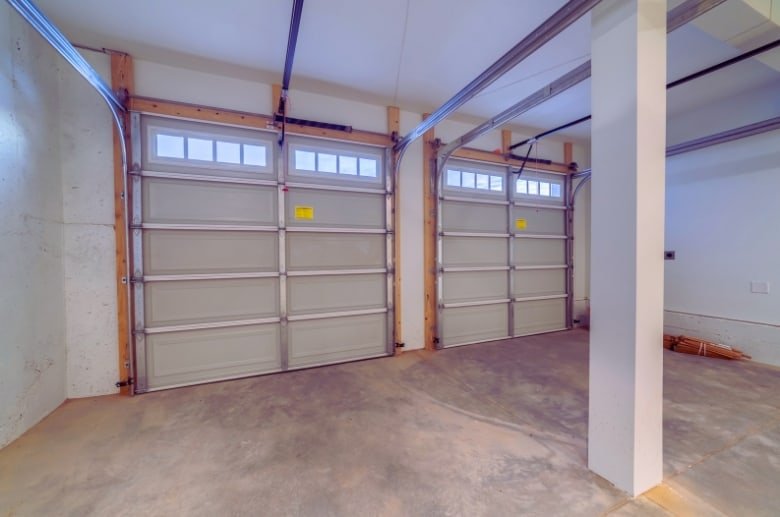
Testing and Fine-Tuning the Door
After completing the adjustments, manually open and close the garage door several times. Listen for unusual noises and observe the door’s movement. If the door still sticks or makes noise, double-check the alignment and lubrication. For persistent problems, such as the door stopping halfway, consult a professional or refer to resources like why a garage door stops halfway for more detailed troubleshooting.
Preventing Roller Misalignment in the Future
Regular maintenance is key to keeping your garage door operating smoothly. Here are some tips to help prevent future issues:
- Inspect rollers and tracks monthly for signs of wear or debris
- Lubricate all moving parts every six months
- Tighten loose hardware as needed
- Keep the tracks clean and free of obstructions
- Address minor issues promptly to avoid bigger repairs
For more advice on avoiding common problems, check out these tips to prevent garage door jamming.
When to Call a Professional
While many alignment issues can be handled by homeowners, some situations require expert attention. If your garage door is extremely heavy, has broken springs, or you notice significant structural damage, contact a professional technician. Attempting complex repairs without proper training can be dangerous.
Frequently Asked Questions
What causes garage door rollers to become misaligned?
Rollers can go out of alignment due to normal wear and tear, accidental impacts, loose hardware, or debris buildup in the tracks. Regular inspections and maintenance help minimize these risks.
How often should I check and realign my garage door rollers?
It’s a good idea to inspect your rollers and tracks at least once every few months. Realignment is only necessary if you notice symptoms like noise, uneven movement, or the door sticking.
Can I use any lubricant on garage door rollers?
No, it’s best to use a lubricant specifically designed for garage doors. Avoid grease or heavy oils, as they can attract dirt and cause further issues. Use a silicone-based or lithium-based spray for optimal results.
Why does my garage door work manually but not automatically?
If your door operates by hand but not with the opener, the issue may be with the opener itself, the sensors, or the remote. For more details, see this article on why garage door works manually but not automatically.
Conclusion
Addressing roller misalignment is a straightforward process that can greatly improve the performance and lifespan of your garage door. By following the steps outlined above and keeping up with regular maintenance, you can ensure smooth, quiet operation for years to come. If you encounter persistent problems or feel unsure about any step, don’t hesitate to seek professional help.