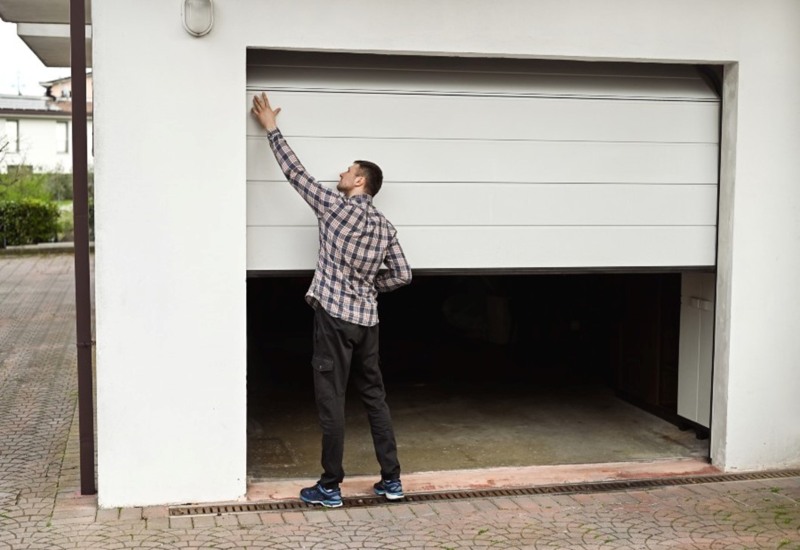
For homeowners, ensuring the safety and proper functioning of their garage doors is crucial. A significant component of this safety protocol is knowing how to test garage door emergency release mechanisms. This feature is designed to allow for the manual operation of the garage door in the event of a power outage or a malfunction in the automatic system. Understanding how to effectively test and maintain this feature is vital for the safety of your home and family.
In this comprehensive guide, we’ll explore the steps necessary to test your garage door’s emergency release, emphasizing the importance of regular checks and maintenance. By the end of this article, you’ll have a clear understanding of how to ensure your garage door is always in optimal working condition. Let’s dive in.
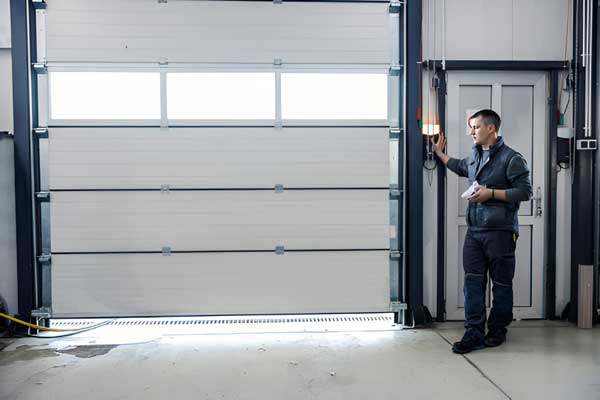
Understanding the Garage Door Emergency Release
The emergency release is a safety feature on most garage doors that allows you to manually open or close the door. This mechanism is particularly useful during power outages or when the automatic opener is not functioning correctly. It typically involves a red cord or handle that can be pulled to disengage the door from the automatic opener, allowing for manual operation.
The Importance of Testing the Emergency Release
Regularly testing the emergency release is essential for several reasons. First, it ensures that the mechanism is functioning correctly and can be relied upon in an emergency. Second, it helps identify any potential issues that could arise from wear and tear, allowing for timely repairs or replacements.
Steps to Test the Garage Door Emergency Release
Step 1: Ensure Safety First
Before testing the emergency release, make sure the area around the garage door is clear of people and objects. This precaution will prevent accidents or damage if the door moves unexpectedly during the test.
Step 2: Disengage the Automatic Opener
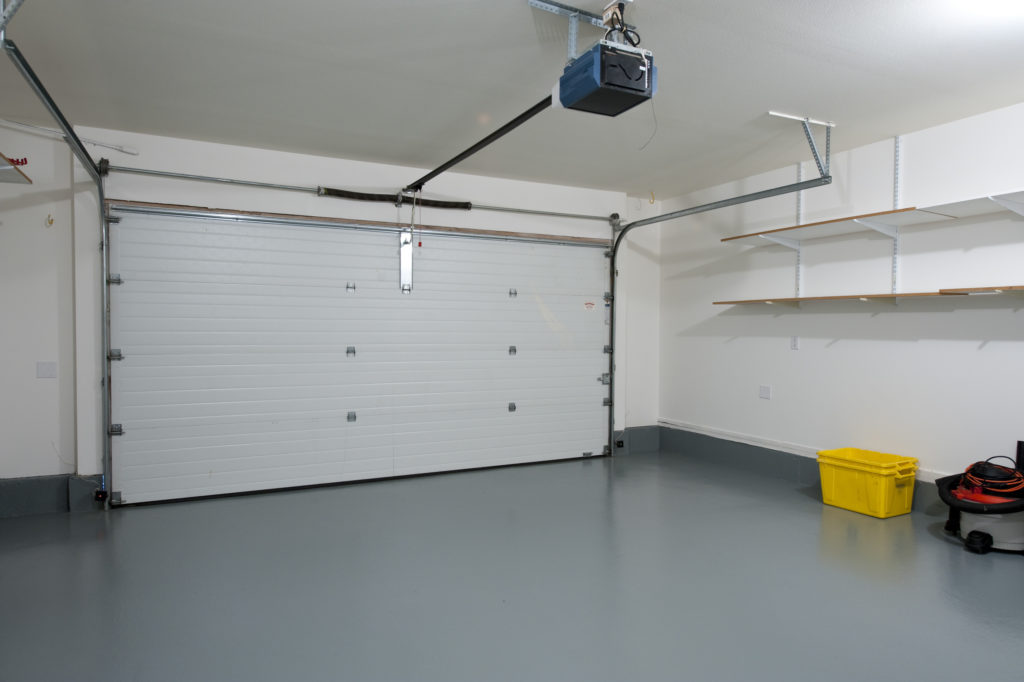
Locate the red cord or handle attached to the garage door track. This is the manual release handle. Pull the handle down and towards the back of the garage to disengage the door from the automatic opener.
Step 3: Manually Operate the Door
With the door disengaged, manually lift it to ensure it moves smoothly along the tracks. If the door is heavy or difficult to lift, it may indicate a problem with the springs or other components.
Step 4: Re-engage the Automatic Opener
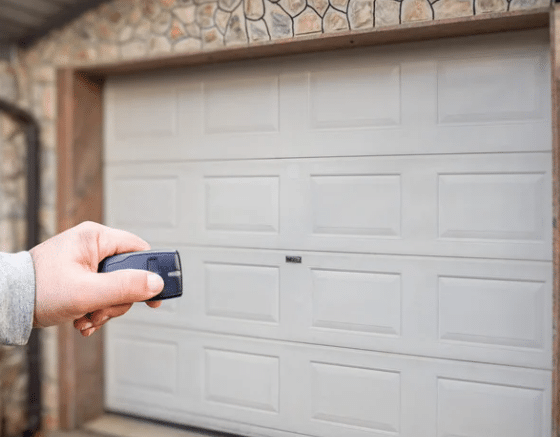
Once you’ve confirmed that the door is functioning correctly in manual mode, pull the emergency release cord towards the door to re-engage the automatic opener. Test the door by using the remote or wall switch to ensure the opener is functioning correctly.
Common Issues and Troubleshooting
Issue 1: Door Won’t Disengage
If the door doesn’t disengage when you pull the emergency release, inspect the cord or handle for damage. It may need to be replaced. Additionally, check the track for any obstructions.
Issue 2: Door is Difficult to Lift
If the door is hard to lift manually, the springs may need adjustment or replacement. This task can be complex and potentially dangerous, so consider hiring a professional for assistance.
Maintaining Your Garage Door for Longevity
Regular maintenance is key to ensuring the longevity and safety of your garage door. This includes lubricating moving parts, checking the balance, and inspecting the door’s components for wear and tear. For more detailed maintenance tips, consider visiting Wessex Garage Doors.
When to Call a Professional
While many homeowners can test and maintain their garage doors, some issues require professional attention. If you encounter significant problems during your tests, such as broken springs or severe misalignment, it’s best to call a professional. You can learn more about professional inspections at Uplift Garage.
FAQ Section
Why is my garage door not opening after using the emergency release?
Ensure the door was re-engaged properly with the automatic opener. Check for any obstructions or damage to the mechanism.
Can I test the emergency release myself?
Yes, with proper precautions. Ensure the area is clear and follow the steps outlined above. If unsure, consult a professional.
How often should I test the emergency release?
It’s recommended to test the emergency release mechanism every six months to ensure it functions correctly.
This article contains affiliate links. We may earn a commission at no extra cost to you.