Ensuring the safety and efficiency of your garage door is crucial for every homeowner. One important aspect to check is the garage door force settings. These settings determine how much force is needed for your garage door to open and close. Testing and adjusting them can prevent accidents and improve the door’s operation. In this guide, we will explore how to test garage door force settings effectively.

Understanding Garage Door Force Settings
Before diving into the testing process, it’s essential to understand what garage door force settings are. These settings control the amount of force the garage door opener uses to lift and lower the door. If the force settings are too high, the door might not reverse if it encounters an obstacle, posing a safety hazard. Conversely, if the settings are too low, the door may not close properly.
Why Adjusting Force Settings is Important
Adjusting the force settings ensures that your garage door operates smoothly and safely. It helps in preventing unnecessary wear and tear on the door and the opener. Proper settings also minimize the risk of the door closing on people or objects, enhancing overall garage safety.
Tools Required for Testing
To begin testing the garage door force settings, you will need a few tools:
- A sturdy ladder
- A screwdriver
- A block of wood
- Safety goggles
Step-by-Step Guide to Test Garage Door Force Settings
Step 1: Prepare Your Garage Door
Before testing, ensure the garage door is in good condition. Perform a garage inspection to check for any signs of damage or wear.
Step 2: Test the Closing Force
Place a block of wood on the ground where the door closes. Activate the garage door to close. If the door doesn’t reverse upon hitting the block, the force is too high and needs adjustment.
Step 3: Test the Opening Force
Disconnect the garage door opener and manually open the door halfway. If it stays in place, the force settings are correct. If it falls, the settings are too low.
Adjusting the Force Settings
How to Adjust Closing Force
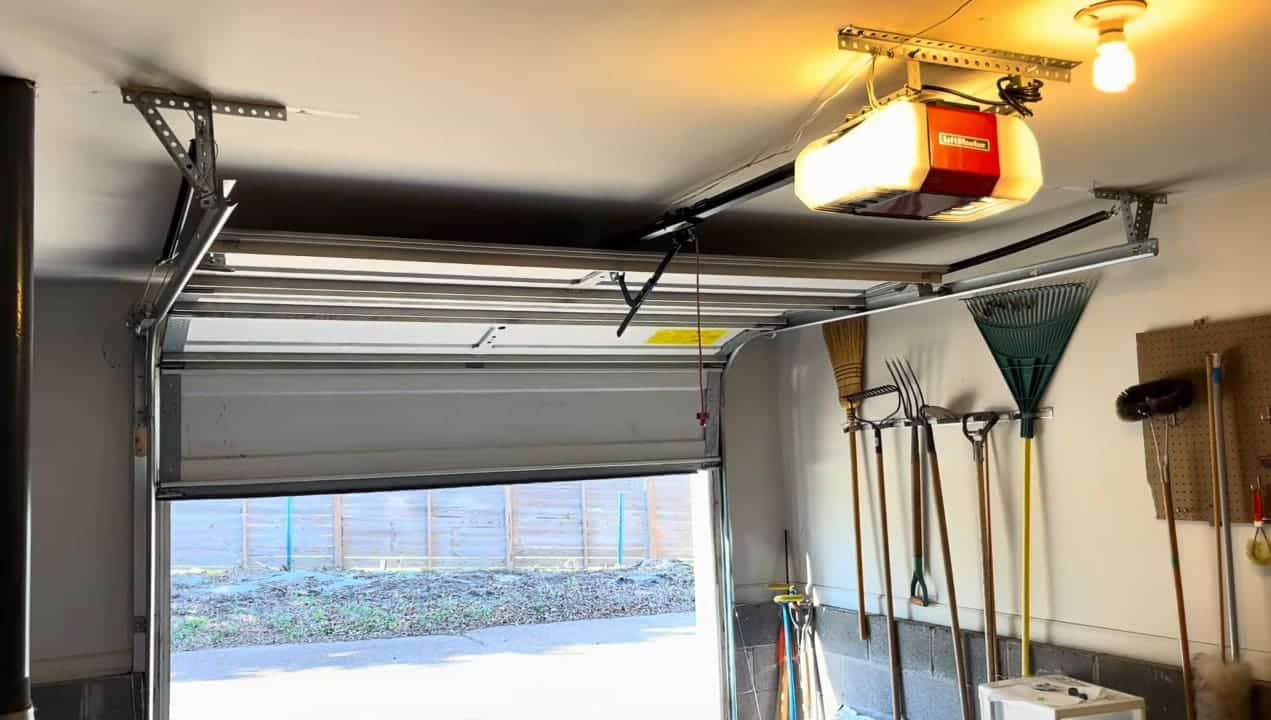
Locate the force adjustment screws on the garage door opener. Use a screwdriver to turn the screw for decreasing or increasing the force until the door reverses correctly when hitting the block.
How to Adjust Opening Force
Similarly, adjust the opening force using the screwdriver. Test the door again manually to ensure it stays open halfway.
Testing the Safety Sensors
Besides force settings, check the safety sensors. These are crucial for preventing accidents. Ensure the sensors are aligned and free from obstructions.
When to Call a Professional
Sometimes, adjusting the force settings might not solve the problem. If your door still doesn’t operate smoothly, consider calling a professional for a detailed garage door inspection.
Common Mistakes to Avoid
Avoid setting the force too high, as this can cause damage or injury. Always refer to the manufacturer’s instructions before making adjustments.
Importance of Regular Maintenance
Regular maintenance of your garage door ensures longevity and safety. Schedule periodic inspections to keep everything in top condition. For more detailed tips, visit this external resource.
Additional Tips for Homeowners
Always keep the garage door area clear of debris. Regularly check the springs and cables for signs of wear.
Conclusion
Testing and adjusting your garage door force settings is a simple yet effective way to ensure safety and efficiency. With the right tools and steps, homeowners can confidently perform this task. Remember, when in doubt, consult a professional to avoid potential risks.
FAQs
Why are garage door force settings important?
Force settings are crucial for ensuring the door operates safely and efficiently, preventing accidents and damage.
How often should I test my garage door force settings?
It’s recommended to test the force settings at least twice a year as part of regular maintenance.
Can I adjust the force settings myself?
Yes, with the right tools and guidance, homeowners can adjust the force settings themselves. However, professional help is advised if you’re unsure.
This article contains affiliate links. We may earn a commission at no extra cost to you.