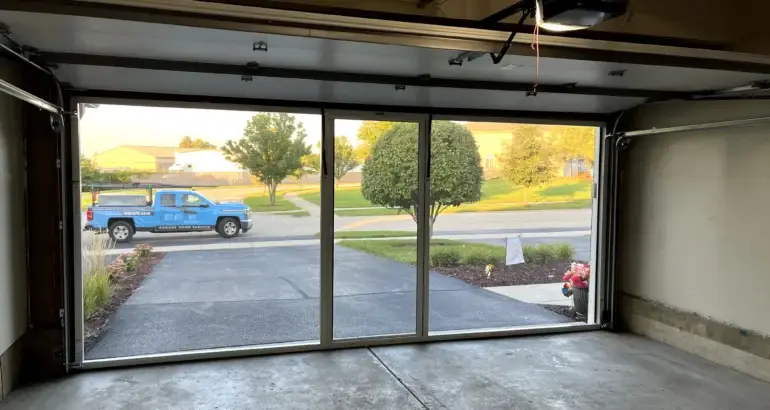
Garage door sensors play a crucial role in ensuring the safety and smooth operation of your garage door system. These small devices, typically located near the bottom of the door tracks, detect obstacles and prevent the door from closing on people, pets, or objects. Regularly checking and maintaining these sensors is essential for both safety and optimal performance. In this guide, you’ll learn practical steps for how to test garage door sensors, identify common issues, and keep your system running reliably.
If you’ve ever experienced problems such as your garage door stopping halfway or refusing to close, faulty sensors could be the cause. For more detailed troubleshooting, you might find this resource on garage door halfway sensor issues helpful.
Understanding Garage Door Sensor Functionality
Before diving into the testing process, it’s helpful to understand how these safety devices work. Most modern garage doors use a pair of photoelectric sensors, often called “photo eyes.” One sensor emits an infrared beam, while the other receives it. If anything interrupts this beam while the door is closing, the system automatically stops or reverses the door to prevent accidents.
Over time, dust, misalignment, wiring issues, or wear and tear can affect sensor performance. That’s why routine checks are recommended, especially if you notice inconsistent door operation or warning lights on your opener.
Signs Your Garage Door Sensors Need Testing
Recognizing the symptoms of malfunctioning sensors can save you time and prevent potential hazards. Here are some common indicators that it’s time to assess your system:
- The garage door reverses unexpectedly when closing.
- Indicator lights on the sensors are blinking or off.
- The door won’t close unless you hold down the wall button.
- Obvious physical damage or dirt buildup on the sensors.
- Intermittent operation or the door stops halfway.
If you’re experiencing persistent problems, you might also want to review these troubleshooting tips for when your garage door won’t open all the way.
Step-by-Step Guide: How to Test Garage Door Sensors
Testing your garage door safety sensors is a straightforward process that requires minimal tools. Follow these steps to ensure your system is working as intended:
1. Inspect Sensor Alignment and Cleanliness
Begin by visually inspecting both sensors. They should be mounted at the same height, facing each other directly across the door opening. Wipe the lenses gently with a soft, dry cloth to remove dust or cobwebs. Even a small obstruction can disrupt the infrared beam.
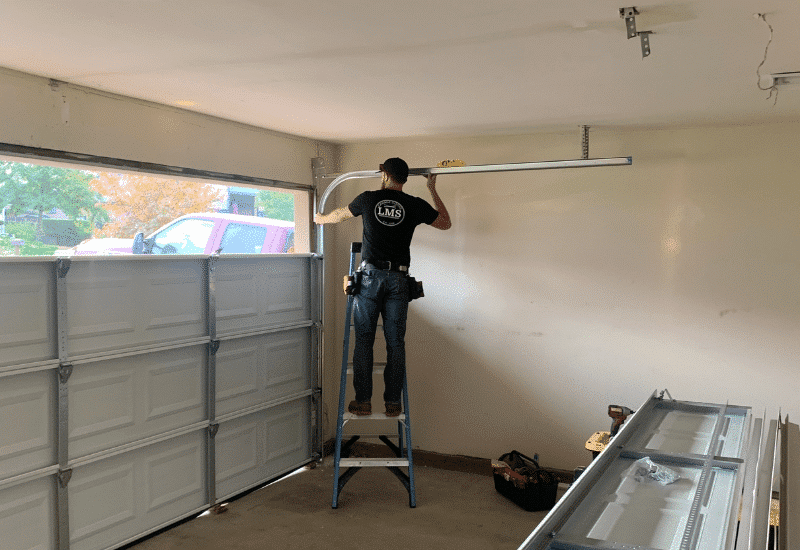
2. Check Sensor Indicator Lights
Most sensors have LED indicator lights. When aligned and functioning properly, these lights should be steady (often green or amber). If one or both lights are blinking or off, this suggests misalignment, wiring issues, or a faulty sensor.
- If the lights are off, check for loose wires or power supply issues.
- If blinking, gently adjust the sensors until the lights become steady.
3. Test the Obstruction Detection Feature
To verify the safety feature, open your garage door fully. Place a solid object, such as a cardboard box, in the path between the sensors. Attempt to close the door using the remote or wall button. The door should not close and may reverse or remain open. If it closes despite the obstruction, the sensors are not functioning correctly and require further attention.
4. Bypass and Reset the Sensors (If Needed)
If your door still won’t respond to the sensors, try resetting the system. Unplug the opener for about 30 seconds, then plug it back in. This can resolve minor electronic glitches. Never attempt to permanently bypass the sensors, as this compromises safety.
5. Examine Wiring and Connections
Inspect the wires leading to each sensor for signs of wear, corrosion, or disconnection. Secure any loose connections and replace damaged wires if necessary. If the sensors remain unresponsive, replacement may be required.
For more advanced troubleshooting, consider reviewing this guide on what to do if your garage door won’t close completely.
Maintenance Tips for Reliable Sensor Operation
Regular maintenance can prevent many common sensor issues and extend the life of your garage door system. Here are some practical tips:
- Clean the sensor lenses monthly with a soft cloth.
- Check alignment after any accidental bumps or extreme weather.
- Inspect wiring and mounting brackets for damage.
- Test the sensors’ safety function every few months.
- Lubricate moving parts of your garage door system as needed to reduce strain on the opener.

Common Problems and Troubleshooting Advice
Even with regular care, you may encounter persistent sensor issues. Here are some typical problems and potential solutions:
| Issue | Possible Cause | Solution |
|---|---|---|
| Door reverses when closing | Obstructed or misaligned sensors | Clean and realign sensors |
| Sensors’ lights are off | No power or loose wires | Check power and wiring |
| Door won’t close completely | Dirty lenses or faulty sensors | Clean lenses, test, replace if needed |
| Intermittent operation | Sunlight interference, wiring issues | Shield sensors, inspect wiring |
If you’re still facing difficulties, this article on troubleshooting garage door halfway problems provides additional insights.
When to Call a Professional
While many sensor issues can be resolved with basic maintenance and testing, some situations require expert help. If you notice damaged wiring, persistent malfunction after troubleshooting, or if your opener is older and lacks modern safety features, it’s best to contact a qualified technician. Attempting complex repairs without proper knowledge can compromise safety.
For more in-depth repair advice, you can also consult this comprehensive guide to fixing a garage door stuck halfway.
Frequently Asked Questions
How often should I check my garage door sensors?
It’s recommended to inspect and test your sensors at least every three months, or sooner if you notice any irregular door movement or warning lights.
What should I do if cleaning and realigning the sensors doesn’t work?
If basic maintenance doesn’t restore proper function, check the wiring and power supply. If the problem persists, the sensors may need replacement or professional servicing.
Can I bypass garage door sensors temporarily?
While some openers allow you to override the sensors by holding the wall button, this should only be done in emergencies and never as a permanent solution. Bypassing sensors removes a critical safety feature.
Why does sunlight affect my garage door sensors?
Direct sunlight can interfere with the infrared beam between the sensors, causing false readings. Installing sun shields or repositioning the sensors can help minimize this issue.
Are all garage door sensors interchangeable?
No, sensors are often brand- and model-specific. Always use compatible replacements recommended by your opener’s manufacturer.