A smoothly operating garage door is essential for both convenience and safety. Over time, however, many homeowners experience issues such as sticking, squeaking, or doors that won’t open or close properly. One of the most effective ways to avoid these problems is by understanding the importance of garage door lubrication. Regular lubrication not only extends the life of your garage door system but also helps prevent frustrating malfunctions and costly repairs.
If you’ve ever dealt with a garage door that halts midway or refuses to budge, you know how disruptive it can be. Lubrication addresses many of these issues at the source, keeping moving parts in optimal condition. For those seeking more troubleshooting advice, our detailed guide on garage door halfway sensor issues offers additional insights.
Why Lubrication Is Essential for Garage Doors
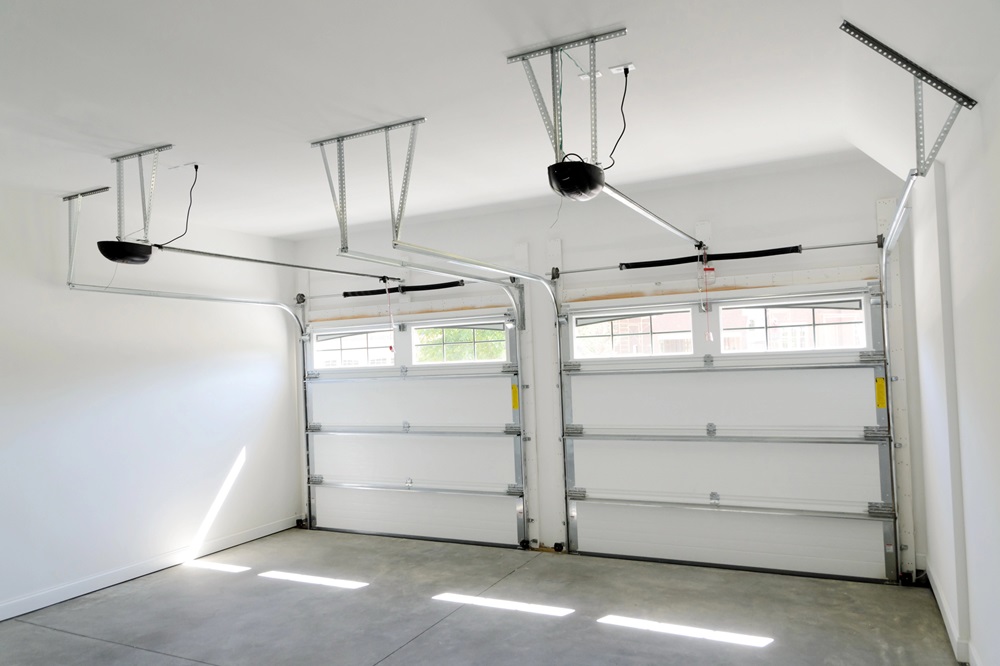
Garage doors rely on a series of interconnected components—rollers, hinges, springs, and tracks—to function properly. Without adequate lubrication, these parts can grind against each other, leading to increased friction and wear. Over time, this lack of maintenance can cause the door to stick, make loud noises, or even fail completely.
The importance of garage door lubrication becomes clear when you consider the stress these mechanisms endure with daily use. Lubricants reduce friction, allowing metal parts to glide smoothly. This not only prevents sticking but also minimizes noise and helps avoid premature breakdowns.
Common Problems Caused by Poor Lubrication
Failing to lubricate your garage door can lead to several avoidable issues:
- Sticking or Jamming: Metal parts without lubrication can seize up, causing the door to get stuck or move unevenly.
- Excessive Noise: Squeaking or grinding sounds often indicate dry rollers or hinges.
- Component Wear: Increased friction accelerates wear and tear on springs, rollers, and tracks.
- Motor Strain: An unlubricated door puts extra stress on the opener, which can lead to motor failure.
If you notice your garage door stopping partway or not closing completely, lubrication may be the first step in resolving the issue. For more targeted solutions, see our resource on why garage door won’t open all the way.
How Regular Lubrication Prevents Sticking
Consistent application of lubricant acts as a protective barrier between moving metal parts. This reduces direct contact, which is a primary cause of sticking and resistance. By keeping rollers, hinges, and springs well-oiled, you ensure the door moves freely along its tracks.
Lubrication also helps repel dust and debris, which can accumulate and cause additional friction. When these particles are kept at bay, the door’s movement remains smooth and reliable. For doors that frequently stop or reverse, addressing lubrication can often resolve the problem before more complex repairs are needed.
For further reading on related issues, check out our article on garage door won’t close completely.
Step-by-Step Guide to Lubricating Your Garage Door
Maintaining your garage door doesn’t require professional skills. Here’s how to lubricate your system effectively:
- Gather Supplies: Use a high-quality garage door lubricant spray—avoid WD-40 or other general-purpose oils, as they can attract dirt.
- Clean Moving Parts: Wipe down rollers, hinges, and tracks with a dry cloth to remove dust and debris before applying lubricant.
- Apply Lubricant: Focus on rollers (especially those with ball bearings), hinges, springs, and the opener’s chain or screw. Use short bursts and avoid over-spraying.
- Operate the Door: Open and close the door several times to distribute the lubricant evenly.
- Inspect Regularly: Repeat this process every six months or sooner if you notice squeaking or sticking.
If you encounter persistent issues after lubrication, you may need to address other mechanical problems. Our guide on what to do when garage door stops halfway provides practical troubleshooting steps.

Choosing the Right Lubricant for Your Garage Door
Not all lubricants are suitable for garage doors. Silicone-based or lithium-based sprays are recommended because they provide long-lasting protection without attracting dust. Avoid using grease or heavy oils, which can gum up moving parts and worsen sticking over time.
When selecting a product, look for those specifically labeled for garage door use. These are formulated to withstand temperature changes and resist moisture, ensuring reliable performance throughout the year.
Additional Tips for Smooth Garage Door Operation
- Inspect Regularly: Check for loose bolts, worn rollers, or misaligned tracks during each lubrication session.
- Keep Tracks Clean: While tracks don’t require lubrication, keeping them free of debris is crucial for smooth movement.
- Test Door Balance: A well-balanced door puts less strain on the opener and reduces the risk of sticking.
- Address Issues Promptly: If you notice persistent problems, consult a professional or refer to our article on troubleshooting garage door halfway problems.
When to Seek Professional Help
While most lubrication tasks can be handled by homeowners, some situations call for expert attention. If you notice broken springs, frayed cables, or the door remains stuck despite regular maintenance, it’s best to contact a qualified technician. Attempting repairs on high-tension components can be dangerous without proper training.
For more information on common garage door malfunctions and solutions, you can also review this comprehensive guide on why your garage door stops halfway and how to fix it.
Frequently Asked Questions
How often should I lubricate my garage door?
It’s recommended to lubricate all moving parts of your garage door at least twice a year. However, if you notice squeaking, sticking, or increased noise, apply lubricant sooner to maintain smooth operation.
What parts of the garage door need lubrication?
Focus on lubricating rollers, hinges, springs, and the opener’s chain or screw. Avoid applying lubricant to the tracks, as this can attract dirt and cause buildup.
Can I use WD-40 or household oil on my garage door?
WD-40 and general-purpose oils are not suitable for garage doors. They can attract dust and debris, leading to more sticking over time. Use a silicone-based or lithium-based spray specifically designed for garage doors.