When it comes to home improvements, few things offer as many benefits as insulated garage doors. These doors not only enhance the comfort and energy efficiency of your home but can also have implications for your home insurance. Understanding the connection between insulated garage doors and insurance can help you make informed decisions that could save you money and increase the value of your home.
What Are Insulated Garage Doors?
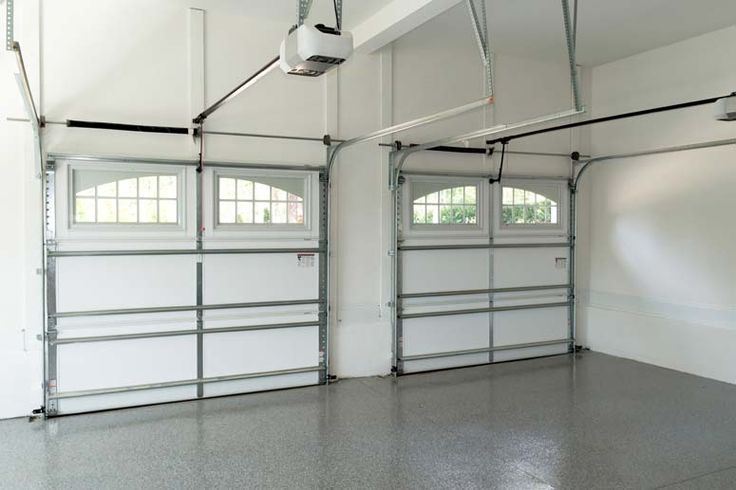
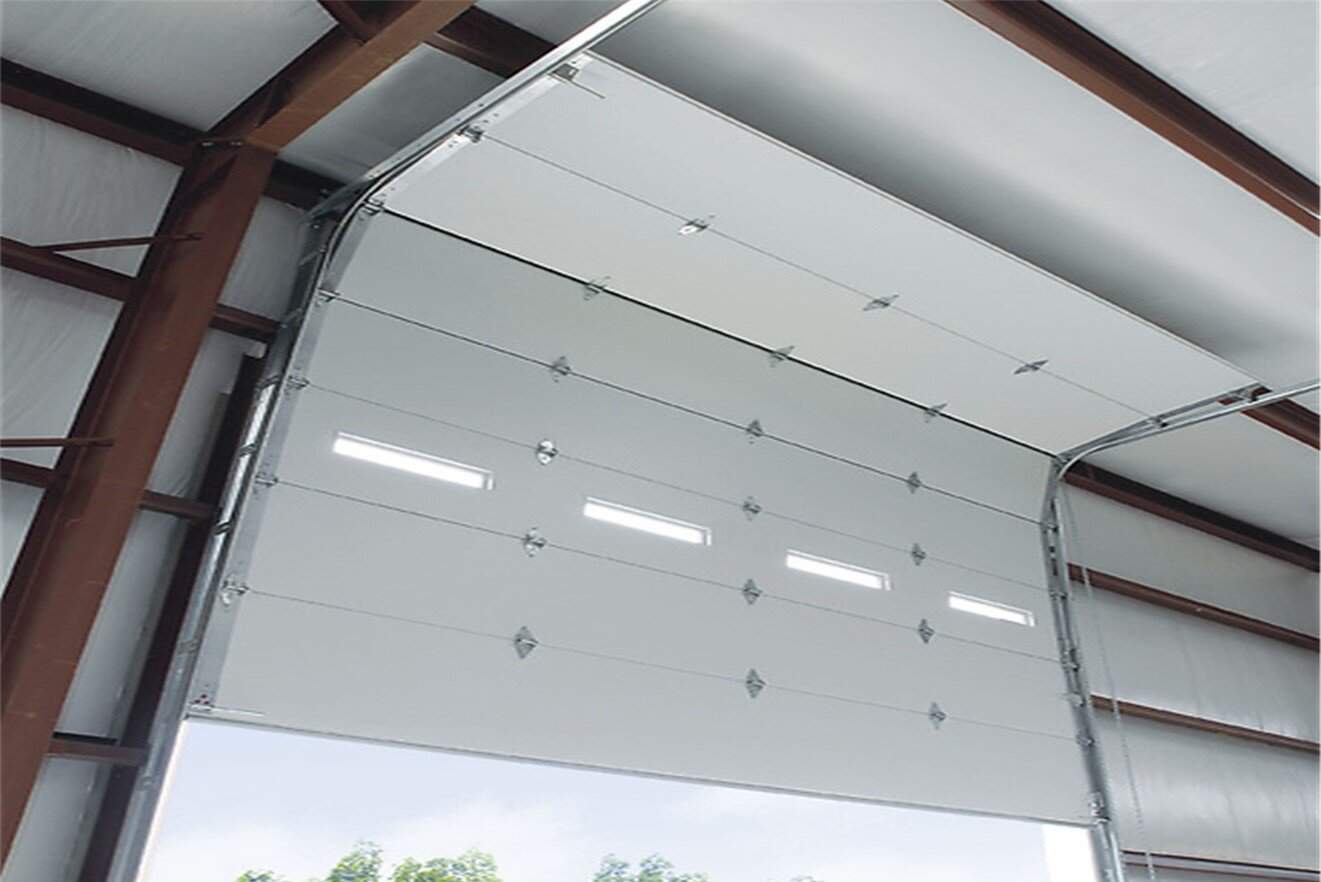
An insulated garage door is designed to reduce heat transfer, keeping your garage warmer in the winter and cooler in the summer. This is achieved using materials like polystyrene or polyurethane, which provide superior thermal resistance. The benefits of these doors extend beyond simple temperature regulation, impacting various aspects of home ownership, including insurance.
The Insurance Implications of Insulated Garage Doors
Insurance companies often view insulated garage doors as a valuable upgrade. These doors can improve your home’s security and reduce the likelihood of damage from weather-related incidents. This, in turn, can lead to lower insurance premiums. By investing in an insulated garage door, you may qualify for discounts or lower rates from your insurance provider.
The Role of Energy Efficiency
The energy efficiency of your home is a key factor in determining insurance rates. Homes with better insulation tend to have lower utility bills and are less prone to issues such as mold growth. An insulated garage door contributes to the overall energy efficiency of your home, potentially leading to insurance benefits.
Security Enhancements
Beyond energy efficiency, insulated garage doors also enhance the security of your home. They are typically more robust and harder to break into than non-insulated doors. This added security can be attractive to insurance companies, possibly leading to reduced premiums.
Choosing the Right Insulated Garage Door
When selecting an insulated garage door, there are several factors to consider. Material, R-value, and design all play a role in determining the door’s effectiveness. It’s important to choose a door that not only matches your aesthetic preferences but also provides the best insulation for your climate.
Understanding R-Values
The R-value of a garage door measures its insulation capability. Higher R-values indicate better insulation, which can be particularly important in extreme climates. Consider consulting with a professional to find the best R-value for your situation.
Material Matters
Common materials for insulated garage doors include steel, wood, and aluminum. Each material has its pros and cons, impacting everything from durability to cost. Steel doors are generally the most durable and secure, while wood offers a more traditional aesthetic.
Installation and Maintenance
Proper installation and maintenance of your insulated garage door are crucial for maximizing its benefits. Regular maintenance ensures the door operates efficiently and lasts for years.
Professional Installation
Hiring a professional for installation can ensure that your insulated garage door is fitted correctly and functions properly. This can also prevent potential issues that might arise from improper installation.
Routine Maintenance
Regular maintenance, like cleaning and lubricating the door’s components, can extend its lifespan and maintain performance. Read more about cleaning insulated garage doors.
Cost Considerations
While insulated garage doors can be more expensive upfront than non-insulated options, the long-term savings on energy bills and potential insurance discounts can make them a worthwhile investment.
Balancing Cost and Value
When evaluating the cost of an insulated garage door, consider not just the price but the value it adds to your home. Improved energy efficiency, increased security, and potential insurance savings all contribute to this value.
Impact on Home Value
Installing an insulated garage door can also increase your home’s value. Prospective buyers often appreciate the energy savings and security features, making your home more attractive on the market.
FAQs
Do insulated garage doors really save on energy bills?
Yes, insulated garage doors can significantly reduce energy costs by minimizing heat transfer, keeping your home more comfortable year-round.
Can I install an insulated garage door myself?
While DIY installation is possible, hiring a professional ensures the door is installed correctly and safely.
How do I maintain my insulated garage door?
Regular maintenance includes cleaning, lubricating moving parts, and ensuring the door is properly balanced. For more detailed guidance, visit our garage door maintenance page.
For more detailed information on the benefits and installation of insulated garage doors, visit this external resource.
This article contains affiliate links. We may earn a commission at no extra cost to you.