Garage door safety sensors play a crucial role in protecting your family, pets, and property. When these sensors are out of alignment, your garage door may not function properly, leading to inconvenience and potential safety hazards. Recognizing the signs of misaligned garage door sensors early can help you avoid unnecessary repairs and keep your garage secure.
In this article, we’ll break down the most common symptoms that indicate your garage door sensors may need adjustment. Whether your door won’t close, the lights are blinking, or you’re experiencing erratic behavior, understanding these warning signals can save you time and frustration. If you’re also interested in related topics, you might want to explore our guide on garage door keypad long term reliability for more insights into garage door system maintenance.
Why Sensor Alignment Matters for Garage Door Safety
Garage door sensors are designed to detect obstacles in the path of the door. When working correctly, they prevent the door from closing if something is detected. However, when these sensors become misaligned, the system can malfunction, causing the door to behave unpredictably or refuse to operate. This not only interrupts your daily routine but can also pose safety risks.
Knowing how to spot the symptoms of sensor misalignment helps you maintain a safe and functional garage. Let’s look at the most common indicators that your sensors need attention.
Common Signs Your Garage Door Sensors Are Out of Alignment
1. Garage Door Won’t Close Completely
One of the most obvious signs of misaligned garage door sensors is when the door refuses to close all the way. If you notice the door starts to close but then reverses or stops, the sensors may not be detecting each other properly. This safety feature is designed to prevent accidents, but misalignment can trigger it even when there’s nothing in the way.
2. Blinking or Flashing Sensor Lights
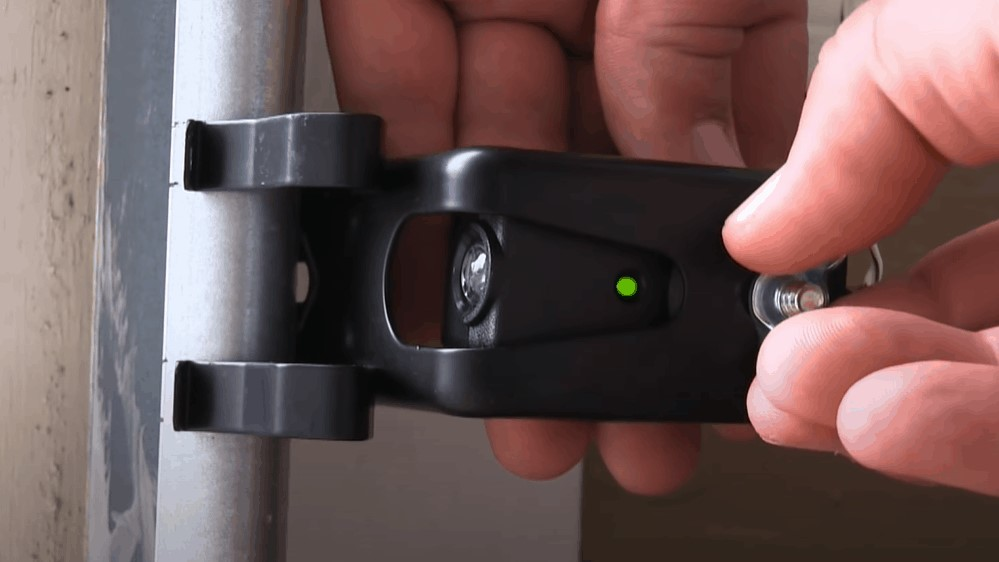
Most garage door sensors have indicator lights. When the sensors are aligned, these lights typically remain steady. If you see one or both lights blinking, it’s a strong indication that the sensors are not facing each other correctly. For a more detailed explanation of what different blinking patterns mean, check out this comprehensive guide to garage door sensor blinking lights.
3. Garage Door Reverses Unexpectedly
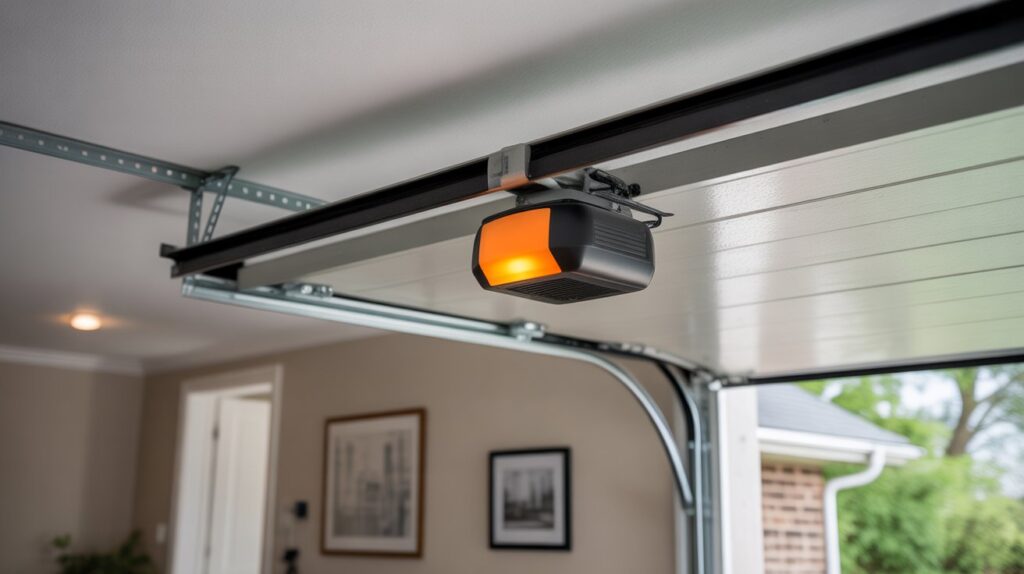
If your garage door begins to close but then suddenly reverses direction without any visible obstruction, this is often a result of sensor misalignment. The system interprets the lack of a clear signal as a potential safety threat and responds by opening the door to prevent accidents.
4. Intermittent or Unpredictable Operation
Another warning sign is inconsistent door behavior. Sometimes the door may close without issue, while other times it refuses to budge. This erratic operation can be frustrating and is frequently linked to sensors that are not properly aligned or are being obstructed by dirt, cobwebs, or debris.
5. Sensor Lights Are Off or Dim
Properly functioning sensors usually have a bright, steady indicator light. If you notice the lights are off, dim, or flickering, it could mean the sensors are not receiving power or are out of alignment. Before assuming a wiring issue, try realigning the sensors and cleaning the lenses.
6. Physical Obstructions Near the Sensors
Sometimes, objects like garden tools, bikes, or even accumulated dust can block the sensor’s line of sight. If you see anything near the sensors, clear the area and check if the door resumes normal operation. Even small obstructions can disrupt the infrared beam and mimic the effects of misalignment.
7. Manual Override Required to Operate Door
If you find yourself frequently using the manual release to open or close your garage door, it’s a strong indicator that the sensors are not functioning as intended. While manual override is a helpful feature, relying on it often suggests an underlying problem with the sensor alignment or system wiring.
How to Check and Realign Your Garage Door Sensors
If you’ve noticed any of the above symptoms, it’s wise to inspect your sensors. Here’s a straightforward process to check alignment:
- Inspect for Obstructions: Remove any objects or debris near the sensors.
- Check Indicator Lights: Confirm both sensors have a steady light. If not, proceed to realignment.
- Adjust Sensor Position: Gently move the sensors until both lights are steady and bright.
- Tighten Mounting Brackets: Once aligned, secure the sensors in place to prevent future misalignment.
- Test the Door: Operate the garage door to ensure it opens and closes smoothly.
If these steps do not resolve the issue, there may be a wiring problem or a faulty sensor that requires professional attention.
Preventing Future Sensor Issues
Regular maintenance can help you avoid the most common signs of misaligned garage door sensors. Here are a few tips:
- Clean sensor lenses monthly with a soft cloth.
- Keep the area around the sensors clear of objects and debris.
- Check alignment after any accidental bumps or if the door is not operating correctly.
- Test the door’s auto-reverse feature periodically to ensure safety.
Staying proactive with these simple steps can help you maintain a safe and reliable garage door system. For more information on related garage door technologies, our resource on garage door keypad quality comparison offers additional insights.
Frequently Asked Questions
What causes garage door sensors to become misaligned?
Sensors can become misaligned due to accidental bumps, vibrations from the door, loose mounting brackets, or objects being placed near the sensors. Environmental factors like dust or cobwebs can also interfere with the sensor beam.
Can I realign garage door sensors myself?
Yes, most homeowners can realign sensors by gently adjusting their position until the indicator lights are steady. Ensure the area is clear of obstructions and the sensors are facing each other directly. If problems persist, consult a professional.
Why is my garage door sensor light blinking?
A blinking sensor light typically indicates misalignment or an obstruction. It can also signal wiring issues or a dirty lens. For a detailed explanation of blinking patterns, refer to a trusted guide on garage door sensor blinking lights.
How often should I check my garage door sensors?
It’s a good idea to inspect your sensors monthly and after any incident that could have knocked them out of alignment. Regular checks help ensure your garage door operates safely and reliably.