As a homeowner, maintaining your garage door is crucial. This step by step garage door inspection guide is designed to help you keep your garage door in optimal condition. Regular inspections can prevent costly repairs and ensure your door operates smoothly. In this guide, well walk through each inspection step, ensuring your garage door remains a reliable part of your home.
Importance of Regular Garage Door Inspections
A garage door is more than just an entryway. It protects your home, enhances curb appeal, and provides convenience. Regular inspections help identify potential issues before they become major problems. By following this garage door inspection guide, you can prolong the life of your garage door and maintain its functionality.
Gathering the Necessary Tools
Before starting your inspection, gather the necessary tools. Youll need a wrench, screwdriver, lubricant, and a clean cloth. Having these on hand will make the process smoother and more efficient.
Visual Inspection of the Garage Door
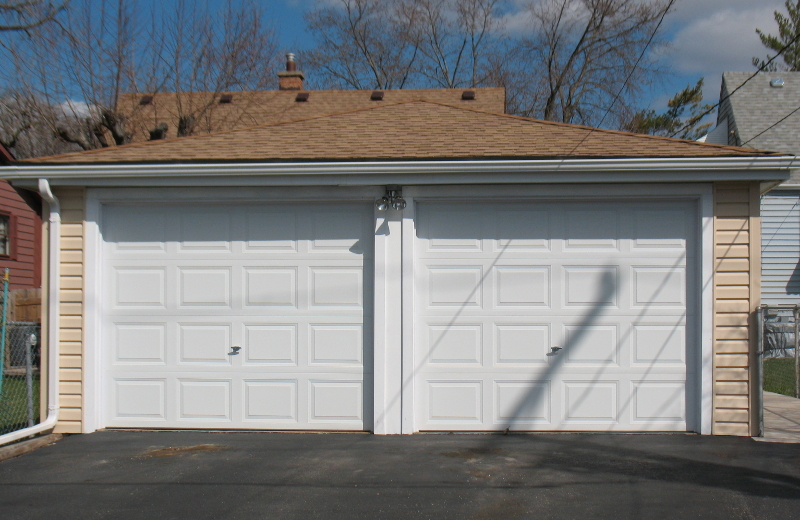
Begin with a visual inspection. Look for any visible damage such as dents, rust, or cracks. Pay attention to the door panels and tracks as these are common areas for wear and tear.
Inspecting the Doors Balance
Garage door balance is crucial for smooth operation. Disconnect the opener and manually lift the door halfway. A balanced door will stay in place. If it falls or rises, its unbalanced and needs adjustment.
Checking the Hardware
Inspect all nuts and bolts. Over time, these can loosen due to the doors movement. Tighten any loose components to ensure the door operates safely.
Examining the Rollers and Tracks
Check the rollers and tracks for signs of wear. Clean the tracks with a damp cloth to remove any debris. Replace worn-out rollers to prevent operational issues.
Testing the Cables and Springs
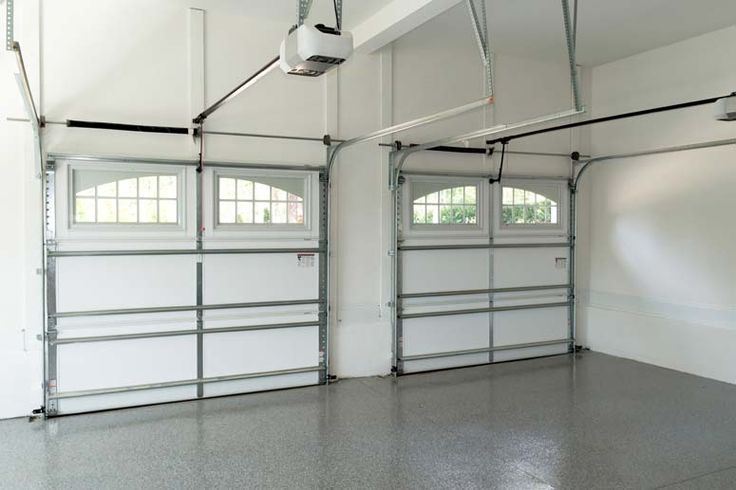
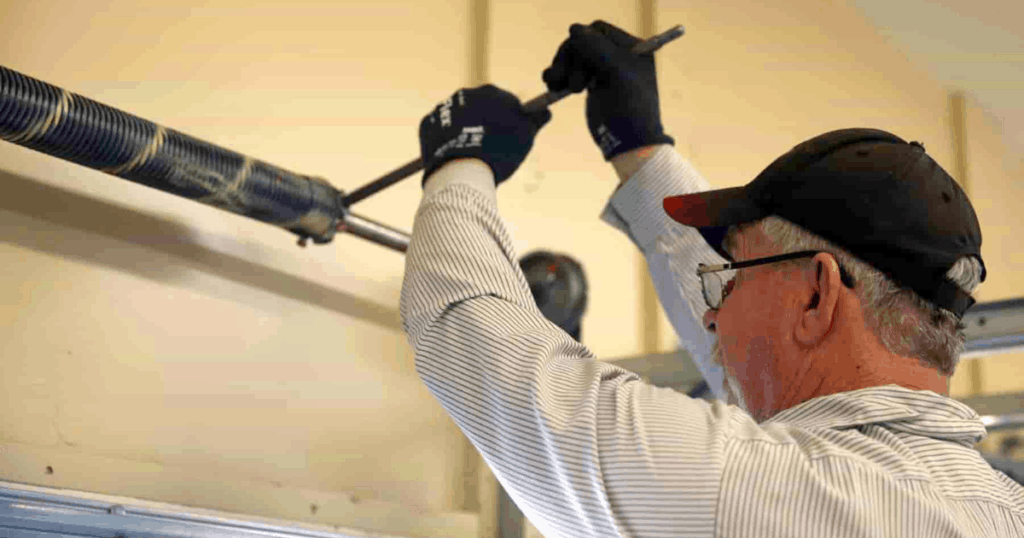
Inspect the garage door cables and springs for wear and tear. Look for frayed cables or rusty springs. These components are under high tension; if damaged, contact a professional for replacement.
Lubricating Moving Parts
Lubrication is key to maintaining smooth operation. Apply a quality garage door lubricant to the rollers, hinges, and tracks. Avoid using grease as it can attract dirt and grime.
Testing the Garage Door Opener
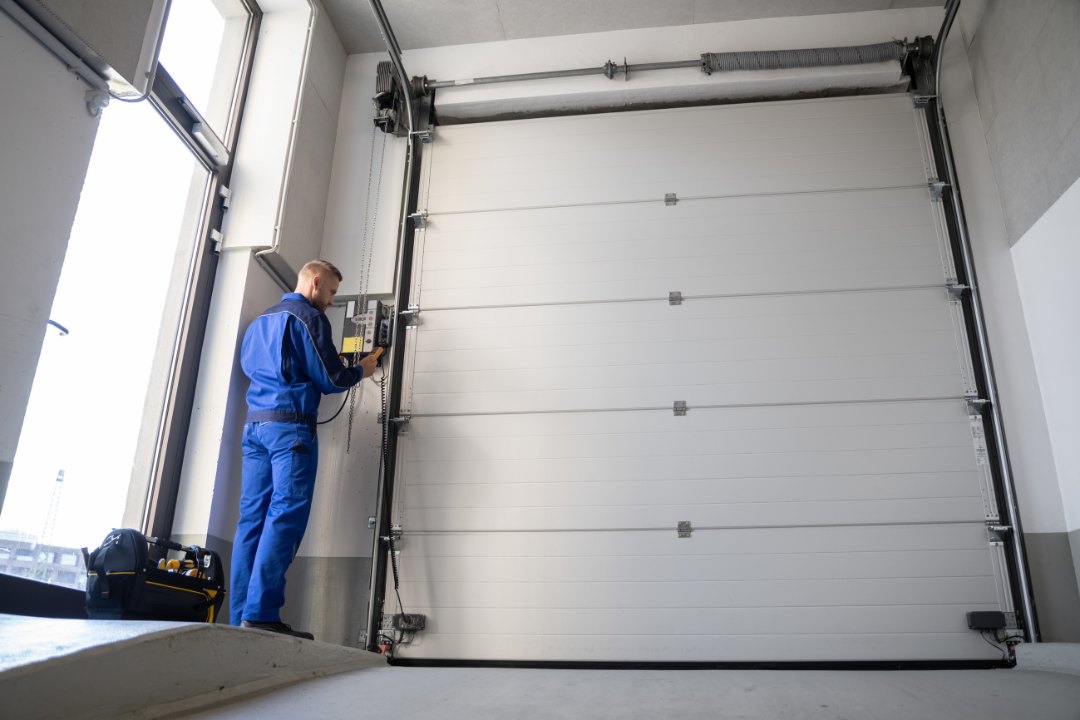
Check the door opener for proper function. Test the remote controls and wall switch. Ensure the opener reverses when an object is in its path, a critical safety feature.
Inspection of Weather Seals
Inspect the garage door weather seals for cracks or gaps. Damaged seals can allow dust, water, and pests into your garage. Replace them as needed to maintain a tight seal.
Listening for Unusual Noises
Operate the door and listen for unusual sounds. Grinding or squeaking noises can indicate issues with the rollers or opener. Address these issues promptly to avoid further damage.
Testing the Auto-Reverse Feature
The auto-reverse feature is a crucial safety element. Test it by placing an object in the doors path. The door should reverse immediately upon contact. If not, adjust the settings or consult a professional.
Conclusion of the Inspection
Completing this step by step garage door inspection guide helps ensure your garage door functions safely and efficiently. Regular maintenance can prevent unnecessary headaches and costly repairs.
When to Call a Professional
While many inspections can be done by homeowners, some issues require professional attention. If you notice significant damage or if the door is not operating correctly, its best to contact a professional. For more information on when to seek professional help, visit this guide.
FAQ Section
How often should I inspect my garage door?
It is recommended to inspect your garage door at least twice a year. Regular inspections can help identify issues early and maintain the door’s functionality.
What should I do if my garage door is making noise?
If your garage door is making unusual noises, check for loose hardware or worn-out rollers. Lubricate moving parts and consult a professional if the noise persists.
Can I replace garage door springs myself?
Replacing garage door springs is dangerous due to high tension. It is advised to hire a professional for this task to ensure safety and proper installation.
This article contains affiliate links. We may earn a commission at no extra cost to you.