When your garage door stops or reverses halfway, it can be both inconvenient and concerning. These issues often signal underlying mechanical or electrical problems that, if left unaddressed, could lead to more significant repairs or even safety hazards. This guide will walk you through the most common causes and practical steps for troubleshooting garage door halfway problems, helping you restore smooth operation and avoid unnecessary frustration.
Whether your door stalls while opening, closes only partway, or reverses direction unexpectedly, understanding the root causes is the first step to a reliable fix. We’ll cover essential checks, simple DIY solutions, and when to call in a professional, so you can approach the issue with confidence.
For a deeper dive into specific causes and preventive tips, you may also find the article on reasons garage door stops midway helpful as you work through your own situation.
Common Causes Behind Garage Doors Stopping Midway
Several factors can cause a garage door to stop or reverse partway through its cycle. Identifying the source is crucial for effective garage door troubleshooting. Here are the most frequent culprits:
- Obstructions or debris: Objects in the door’s path or debris on the tracks can trigger the safety sensors, causing the door to halt or reverse.
- Sensor misalignment: If the photo-eye sensors are out of alignment or dirty, the opener may interpret this as an obstruction.
- Travel limit settings: Incorrectly set travel limits can prevent the door from opening or closing fully. For more on this, see understanding garage door travel limits.
- Worn rollers or tracks: Damaged or poorly lubricated rollers and tracks can cause the door to jam or move unevenly.
- Broken springs or cables: Torsion or extension springs that are worn or broken will affect the door’s balance and movement.
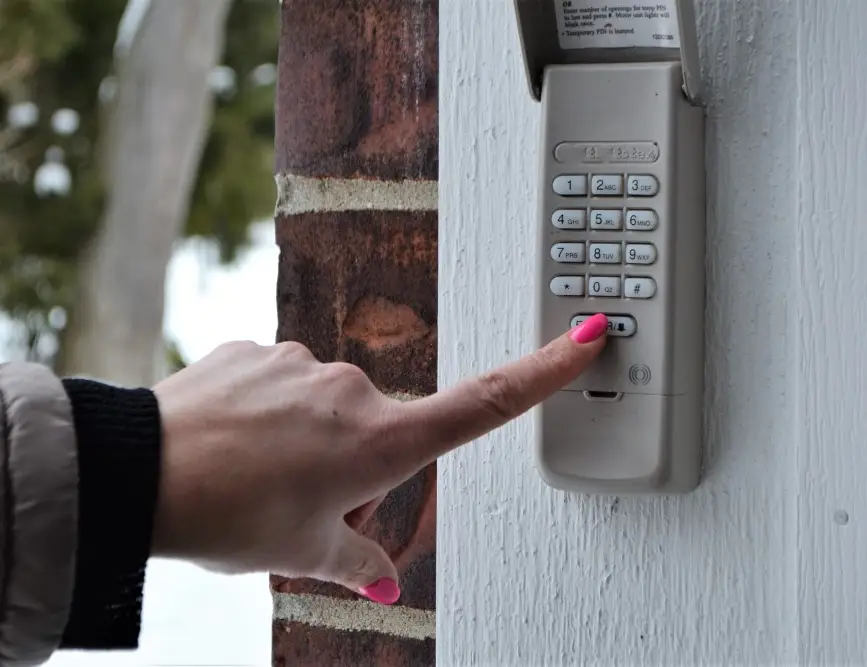
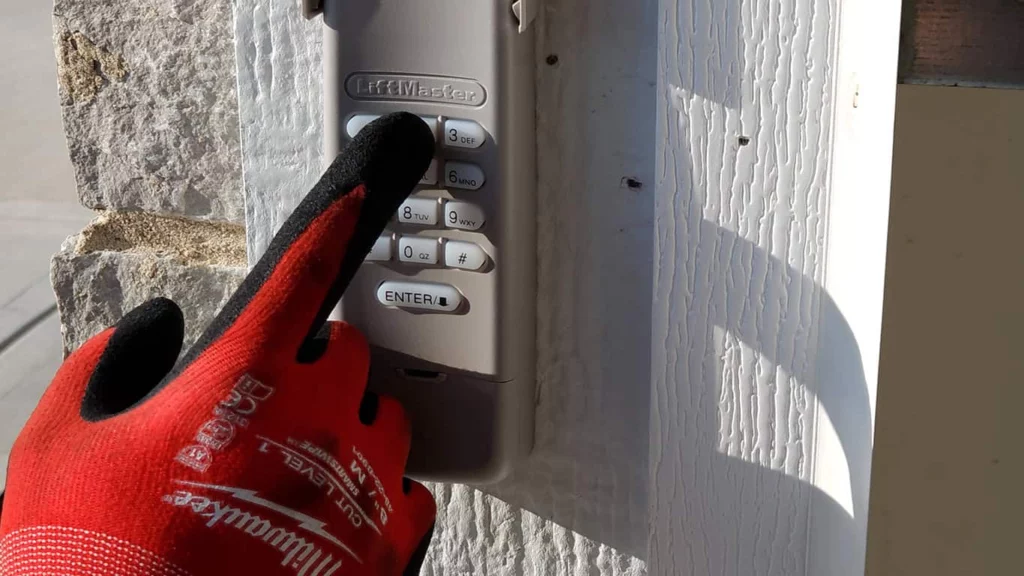
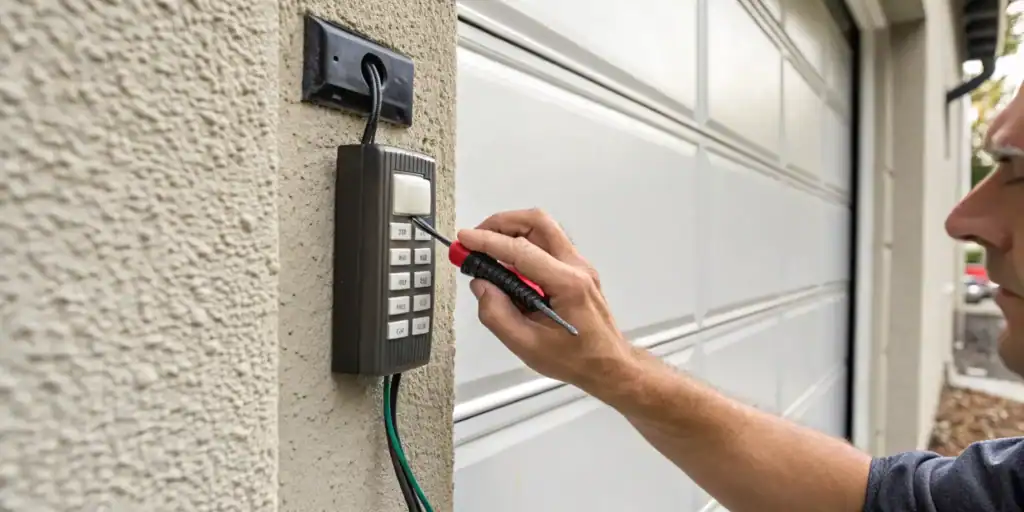
- Electrical or opener issues: Problems with the opener’s circuit board, remote, or wiring can interrupt the door’s operation.
Step-by-Step Guide to Diagnosing Halfway Stoppages
Before calling a technician, you can perform several checks to pinpoint the problem. Here’s a structured approach to troubleshooting garage door halfway problems:
1. Inspect for Physical Obstructions
Start by examining the area around the garage door. Remove any objects or debris from the tracks and ensure nothing is blocking the door’s path. Even small items can trigger the safety mechanism.
2. Check and Clean the Safety Sensors
The photo-eye sensors, located near the base of the tracks, must be aligned and free of dirt. Gently wipe the lenses with a soft cloth and adjust them so their indicator lights are steady. If the lights are blinking, realign the sensors until the beam is uninterrupted.
3. Examine the Tracks and Rollers
Inspect the tracks for bends, dents, or buildup of grime. Damaged tracks can impede movement. Clean the tracks and apply a garage door lubricant spray to the rollers and hinges to reduce friction and noise.
4. Test the Door’s Balance
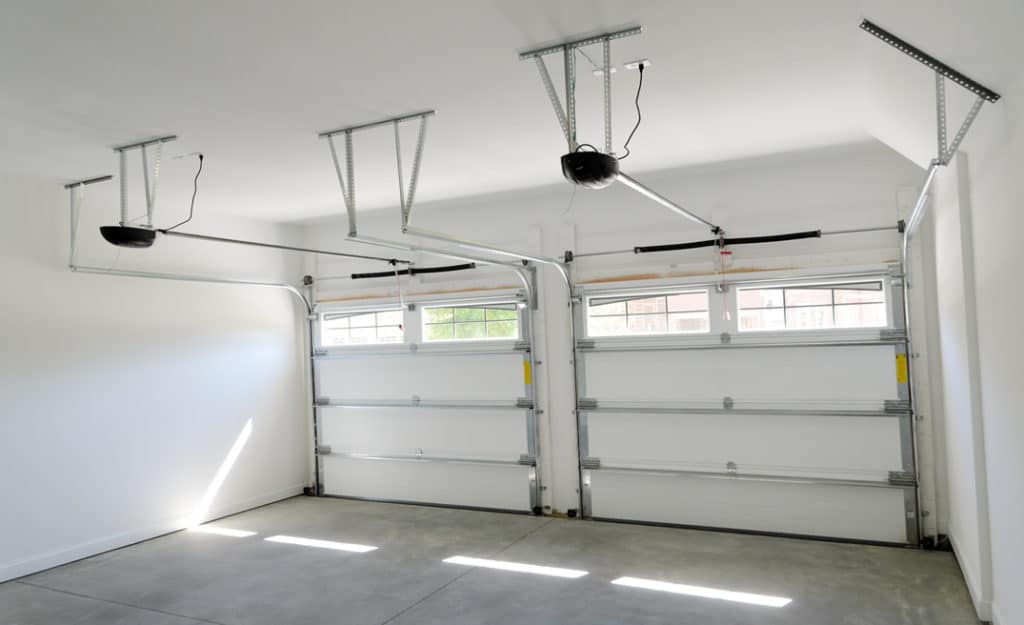
Disconnect the opener by pulling the emergency release cord. Manually lift the door halfway and let go. If it stays in place, the springs are likely balanced. If it falls or rises, the springs may need adjustment or replacement—a task best left to professionals.
5. Adjust the Travel and Force Limits
If the door consistently stops at the same point, the travel limits on your opener may need recalibration. Consult your opener’s manual for instructions, or refer to this detailed guide on how to reset garage door travel limit for step-by-step help.
6. Inspect the Springs and Cables
Visually check for broken or stretched springs and frayed cables. Do not attempt to repair or replace these components yourself, as they are under high tension and can cause injury.
7. Evaluate the Garage Door Opener
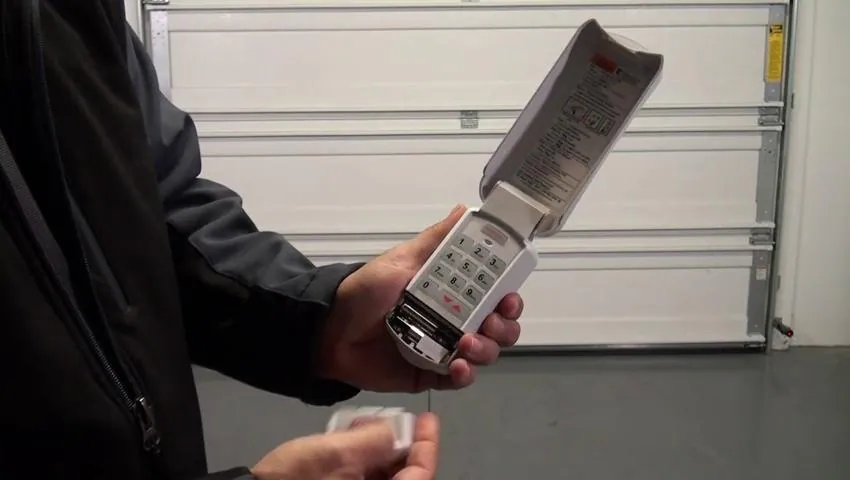
Listen for unusual noises from the opener, check for flashing error codes, and replace the remote’s batteries if needed. If the opener’s logic board is faulty, you may need a replacement. For reliable options, consider using a garage door opener designed for your door’s weight and size.
Preventive Maintenance for Reliable Garage Door Operation
Regular maintenance can minimize the risk of halfway stoppages. Here are some essential tips:
- Lubricate moving parts such as rollers, hinges, and springs every six months with a garage door lubricant spray.
- Clean the tracks and sensors regularly to prevent buildup.
- Test the door’s balance and auto-reverse function monthly.
- Inspect cables and springs for wear, and schedule professional service if needed.
- Keep remote batteries fresh and check opener settings after power outages.
When to Call a Professional
While many garage door halfway problems can be resolved with basic troubleshooting, some situations require expert attention. If you notice broken springs, frayed cables, or persistent electrical issues, contact a qualified technician. Attempting complex repairs without proper tools and training can be dangerous.
For a comprehensive overview of frequent issues and their solutions, you might find the article on common causes of garage door halfway issue a valuable resource.
Additional Resources and Expert Advice
If your garage door reverses direction midway, there may be a specific cause related to the safety system or opener logic. For more information, review the guide on what causes garage door to reverse halfway.
For broader troubleshooting tips, the team at Tedford Doors offers a helpful overview in their comprehensive garage door troubleshooting guide.

Frequently Asked Questions
Why does my garage door stop halfway and reverse?
This usually happens due to sensor misalignment, obstructions in the door’s path, or incorrectly set travel limits. Dirty or blocked sensors can also cause the opener to interpret a false obstruction, prompting the door to reverse for safety reasons.
How do I fix a garage door that only opens or closes partway?
Begin by checking for physical obstructions and cleaning the tracks and sensors. Lubricate moving parts and inspect the door’s balance. If the issue persists, adjust the opener’s travel and force limits according to the manufacturer’s instructions.
Is it safe to repair garage door springs myself?
No, repairing or replacing garage door springs is dangerous due to the high tension involved. Always contact a professional technician for spring or cable repairs to avoid injury.
How often should I maintain my garage door to prevent halfway issues?
Perform basic maintenance every six months, including lubricating moving parts, cleaning tracks and sensors, and testing the door’s balance. Regular checks help prevent many common problems and extend the life of your garage door system.