A properly functioning garage door is essential for both convenience and safety. One of the most important, yet often overlooked, aspects of garage door performance is the adjustment of travel limits. These settings determine how far the door opens and closes, directly affecting its reliability and longevity. If the travel limits are not set correctly, you may experience issues such as the door not closing all the way, reversing unexpectedly, or failing to open fully.
This guide will walk you through the essentials of understanding garage door travel limits, explain why they matter, and provide practical steps for adjustment. Whether you’re troubleshooting a stubborn door or performing routine maintenance, knowing how to manage these settings can save time and prevent costly repairs.
If your garage door is stopping or reversing unexpectedly, it’s worth reviewing the common causes of garage door halfway issue to rule out related problems before adjusting the travel limits.
What Are Garage Door Travel Limits?
Travel limits are settings on your garage door opener that control how far the door moves during opening and closing cycles. These limits ensure the door stops at the correct positions—fully open at the top and fully closed at the bottom—without straining the opener or the door itself.
Most modern openers have two separate adjustments: one for the up (open) limit and another for the down (close) limit. If these are set incorrectly, the door may not seal against the floor, or it could hit the ground too hard and reverse due to safety sensors.
Why Proper Travel Limit Adjustment Matters
Setting the travel limits accurately is crucial for several reasons:
- Safety: Prevents the door from closing on objects, vehicles, or people.
- Security: Ensures the door closes completely, protecting your home.
- Longevity: Reduces wear and tear on the opener and door hardware.
- Convenience: Avoids the frustration of a door that won’t open or close fully.
Incorrect travel limits are a frequent cause of garage doors getting stuck or reversing. For more details on related issues, see the article on garage door stuck halfway causes.
How to Identify Travel Limit Problems
Recognizing when the travel limits need adjustment is the first step to smooth garage door operation. Common signs include:
- The door stops short of the floor or ceiling.
- The opener motor keeps running after the door stops.
- The door reverses direction before closing or opening fully.
- You notice gaps at the bottom when the door is closed.
Sometimes, these symptoms can also result from other issues, such as misaligned sensors or obstructions. If you’re unsure, reviewing the reasons why garage door stops halfway can help you pinpoint the cause.
Locating and Understanding Travel Limit Controls
Most garage door openers have clearly marked adjustment screws or dials for travel limits. These are typically found on the side or back of the opener unit, often labeled “Up Limit” and “Down Limit.” Some newer models use digital controls or buttons instead of manual dials.

Always consult your opener’s manual for the exact location and method for adjusting travel limits. If you no longer have the manual, most manufacturers provide digital copies online.
Step-by-Step Guide to Adjusting Garage Door Travel Limits
- Ensure Safety First: Disconnect any vehicles or objects from the garage door area. Make sure the door is in good working order and that the tracks are clear.
- Locate the Travel Limit Controls: Find the adjustment screws, dials, or buttons on your opener. These are often color-coded or labeled for easy identification.
- Test the Current Settings: Operate the door and observe where it stops during both opening and closing cycles. Note any gaps or over-travel.
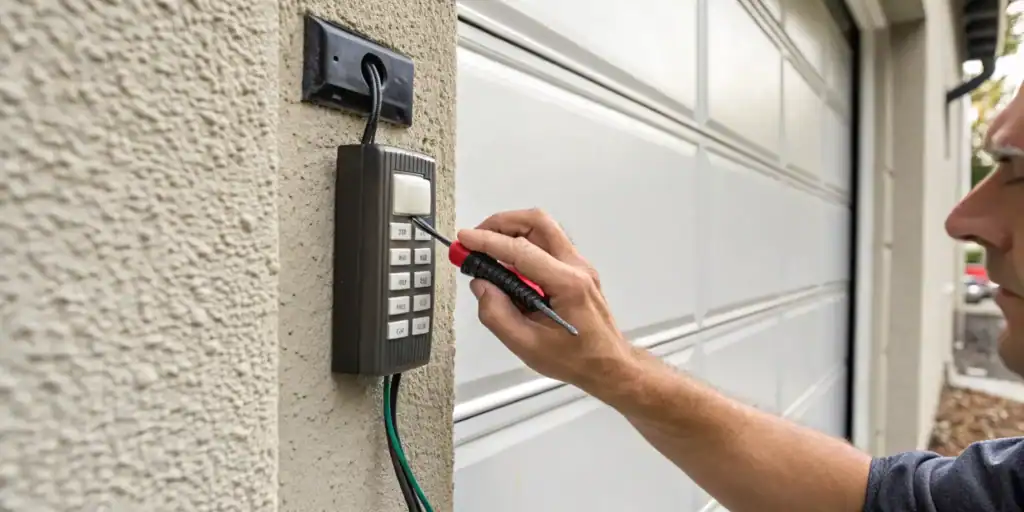
- Adjust the Limits: Using a screwdriver or the appropriate tool, turn the “Up” or “Down” adjustment in small increments (usually a quarter turn at a time). Test the door after each adjustment.
- Fine-Tune for Precision: Continue making small adjustments until the door opens and closes fully without overextending or leaving gaps.
- Check the Safety Reversal: Place a small object (like a 2×4) under the door and close it. The door should reverse when it touches the object. If not, adjust the force and sensitivity settings as needed.
For a more detailed walkthrough, the step-by-step guide to fixing a garage door stuck halfway provides additional troubleshooting tips.
Common Mistakes When Adjusting Travel Limits
- Over-adjusting: Making large changes instead of small, incremental tweaks can lead to new problems.
- Ignoring Safety Sensors: If the sensors are misaligned or dirty, the door may not function correctly even with proper travel limits.
- Forgetting to Test: Always test the door after each adjustment to ensure proper operation.
- Neglecting Lubrication: Lack of lubrication can cause the door to bind or stick, affecting travel even if the limits are set correctly.

Troubleshooting Persistent Travel Limit Issues
If your garage door continues to malfunction after adjusting the travel limits, consider these additional steps:
- Inspect the Tracks and Rollers: Dirt, debris, or damage can impede movement.
- Check for Obstructions: Ensure nothing is blocking the door’s path.
- Verify Sensor Alignment: Misaligned safety sensors can cause the door to reverse or stop.
- Review the Opener Manual: Some models have unique procedures or additional settings.
In some cases, persistent problems may indicate a worn-out opener or failing hardware. If you’ve tried all adjustments and the issue remains, it may be time to consult a professional or consider upgrading your opener.
For more in-depth explanations, the article on garage door gets stuck halfway explained offers further insights into mechanical and electrical causes.
When to Call a Professional
While many homeowners can adjust travel limits themselves, some situations call for expert help:
- The door is excessively heavy or unbalanced.
- The opener makes unusual noises or vibrates.
- Travel adjustments do not resolve the issue.
- You’re unsure about any step or lack the proper tools.
Professional technicians have the experience and equipment to diagnose and fix complex problems safely. Attempting repairs beyond your skill level can lead to injury or further damage.
Additional Resources and Expert Advice
For more guidance on troubleshooting and maintaining your garage door, you can refer to the Wayne Dalton guide on garage door closing issues. Staying informed and proactive with maintenance will help ensure reliable operation for years to come.
Frequently Asked Questions
How often should I adjust my garage door travel limits?
Most homeowners only need to adjust travel limits when installing a new opener, replacing the door, or noticing operational issues. However, it’s a good idea to check the settings annually as part of your regular maintenance routine.
What tools do I need to adjust travel limits?
Typically, a flathead screwdriver is sufficient for most manual adjustment screws. For openers with digital controls, you may only need to press buttons according to the manufacturer’s instructions.
Can incorrect travel limits damage my garage door?
Yes, improper settings can cause the door to slam into the floor or ceiling, leading to premature wear or even structural damage. Always make small adjustments and test thoroughly after each change.
What should I do if my garage door reverses before closing completely?
This is often a sign that the down travel limit is set too far or the safety sensors are misaligned. Adjust the down limit in small increments and check the sensors for obstructions or dirt.
Is it safe to adjust garage door travel limits myself?
In most cases, yes—provided you follow safety precautions and the manufacturer’s instructions. If you encounter persistent issues or feel uncomfortable, it’s best to contact a professional technician.