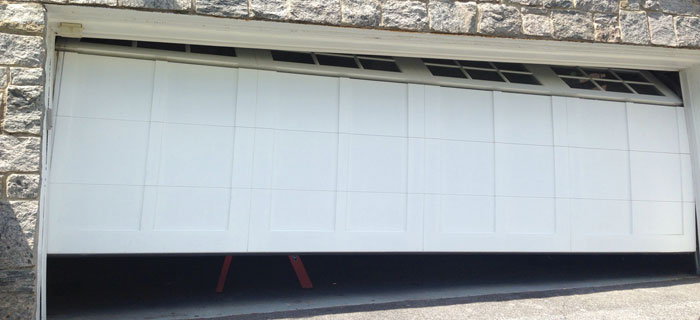
A garage door that reverses direction midway through its cycle can be frustrating and even pose safety concerns. This issue is more common than many homeowners realize, and understanding what causes garage door to reverse halfway is the first step toward a reliable solution. Whether your door starts to close and then suddenly goes back up, or it opens only to reverse unexpectedly, there are several underlying reasons for this behavior. Addressing these problems promptly can help prevent further damage and ensure your garage remains secure and functional.
In this article, we’ll explore the most frequent triggers for a garage door reversing before completing its cycle, how to troubleshoot each cause, and practical steps for fixing the problem. If you want a broader overview of the common causes of garage door halfway issue, you can find more detailed explanations on related topics as well.
Understanding Why Garage Doors Reverse Midway
Modern garage doors are equipped with safety features and sensors that help prevent accidents and damage. When a door reverses halfway, it’s often a sign that one of these safety mechanisms has been triggered, or that there’s a mechanical or electrical fault. The most common reasons include misaligned sensors, obstructions, incorrect force settings, or issues with the door’s tracks and rollers.
Before diving into repairs, it’s important to observe when and how the reversal occurs. Does the door reverse while closing or opening? Is there any unusual noise or resistance? These details can help pinpoint the root cause and guide your troubleshooting process.
Sensor Issues and Safety Reversal Triggers
One of the most frequent answers to what causes garage door to reverse halfway is a problem with the photo-eye sensors. These sensors are located near the bottom of the door tracks and are designed to detect obstacles in the door’s path. If the sensors are blocked, dirty, or misaligned, the door will interpret this as an obstruction and reverse to prevent injury or damage.
- Obstructions: Check for any items, debris, or even cobwebs blocking the sensors.
- Misalignment: Ensure both sensors face each other directly. A blinking light usually indicates misalignment.
- Dirt or Moisture: Clean the sensor lenses gently with a soft cloth.
- Wiring Issues: Inspect the wires for any visible damage or loose connections.
If you’ve checked and cleaned the sensors but the problem persists, you may need to consult a professional or refer to your garage door opener’s manual for further diagnostics.
Track and Roller Problems That Cause Reversal
Physical obstructions or misalignments in the tracks can also force a garage door to reverse. If the door encounters resistance or binds at a certain point, the opener’s safety mechanism will trigger a reversal to avoid further strain.
- Debris in Tracks: Remove any dirt, stones, or objects from the tracks.
- Bent or Misaligned Tracks: Look for bends or gaps. Minor misalignments can sometimes be fixed with gentle tapping, but major issues may require professional repair.
- Worn or Broken Rollers: Inspect rollers for signs of wear or damage. Lubricate them regularly with a suitable spray to ensure smooth movement.
Force and Limit Settings: Fine-Tuning Your Opener
Garage door openers have adjustable force and limit settings that control how far the door travels and how much resistance it can handle before reversing. If these settings are off, the opener may think the door has hit an obstacle and reverse prematurely.
- Locate the Adjustment Screws: Most openers have two dials or screws labeled “up/down limit” and “force.” Consult your opener’s manual for exact locations.
- Adjust the Down Limit: If the door stops and reverses before touching the ground, increase the down limit slightly.
- Adjust the Force: If the door reverses when encountering minor resistance, increase the force setting in small increments.
- Test After Each Adjustment: Operate the door after each change to ensure smooth, complete operation without excessive force.
Be cautious not to set the force too high, as this could override important safety features. If you’re unsure, consult a professional technician.
Other Common Mechanical and Electrical Causes
Sometimes, the issue lies deeper within the opener or the door’s hardware. Broken springs, frayed cables, or worn gears can all contribute to a door reversing unexpectedly. Electrical glitches, such as faulty circuit boards or intermittent power supply, may also disrupt normal operation.
- Broken Springs: If the door feels unusually heavy or won’t stay open, a spring may have snapped.
- Frayed Cables: Inspect for visible wear or unraveling.
- Worn Gears: Listen for grinding noises from the opener unit.
- Power Interruptions: Ensure the opener is plugged in securely and that the outlet is functioning.
Addressing these problems often requires specialized tools and expertise. If you suspect a mechanical or electrical fault, it’s best to contact a qualified garage door technician.

Step-by-Step Troubleshooting for a Reversing Garage Door
If your garage door reverses before closing or opening fully, follow these steps to diagnose and fix the issue:
- Check for obstructions or debris in the tracks and around the sensors.
- Clean and realign the photo-eye sensors.
- Inspect the tracks for bends, gaps, or misalignment.
- Lubricate rollers and hinges with a garage door lubricant spray.
- Test and adjust the opener’s force and limit settings as needed.
- Examine cables, springs, and opener gears for signs of wear or damage.
- If the problem persists, consult a professional technician.
For more detailed instructions, you can refer to this step-by-step guide on fixing a garage door stuck halfway.
When to Seek Professional Help
While many garage door reversal issues can be resolved with basic troubleshooting, some problems—such as broken springs, damaged cables, or persistent electrical faults—require professional attention. Attempting complex repairs without the right tools or experience can be dangerous.
If you’ve tried the steps above and your door still reverses unexpectedly, or if you notice any signs of severe mechanical failure, contact a certified garage door technician. They can safely diagnose and repair the issue, ensuring your door operates smoothly and securely.
Additional Resources and Expert Advice
For further reading on related issues, you may find these resources helpful:
- Garage door stuck halfway causes – Learn about the most frequent reasons for a door getting stuck.
- Why garage door stops halfway – Explore common problems explained in detail.
- Expert advice on garage door reversal problems – Get professional insights and troubleshooting tips.
Frequently Asked Questions
Why does my garage door reverse when closing?
The most common reason is a problem with the safety sensors. If the sensors detect an obstruction or are misaligned, the door will reverse to prevent accidents. Other causes include debris in the tracks, incorrect force settings, or mechanical issues with the door hardware.
Can I fix a reversing garage door myself?
Many issues, such as cleaning sensors, removing obstructions, or adjusting settings, can be handled by homeowners. However, repairs involving springs, cables, or opener internals should be left to professionals due to safety risks.
How do I know if my garage door sensors are faulty?
If the indicator lights on your sensors are blinking or off, or if the door reverses even when the path is clear, the sensors may be dirty, misaligned, or damaged. Cleaning and realigning them often solves the problem, but persistent issues may require replacement.
What should I do if my garage door still reverses after troubleshooting?
If basic troubleshooting doesn’t resolve the issue, it’s best to call a certified technician. Persistent reversal can indicate deeper mechanical or electrical faults that require specialized tools and expertise to repair safely.