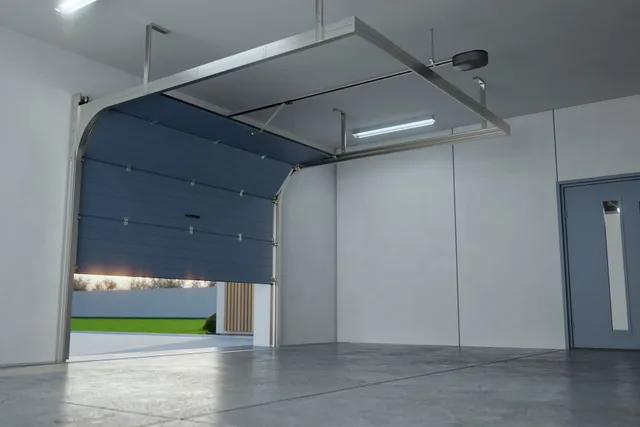
A garage door that stops and won’t move past the halfway point is a common frustration for homeowners. Whether you’re in a hurry to leave or just trying to secure your home, a door that won’t fully open or close can disrupt your day and raise safety concerns. Understanding what to check when garage door stuck halfway is essential for diagnosing the issue quickly and deciding if you can fix it yourself or need professional help.
This guide covers the most frequent causes for a garage door halting midway, step-by-step troubleshooting, and practical solutions. We’ll also point you to related resources, tools, and products to help you restore smooth operation.
If your garage door is stuck partway, one of the first things to consider is whether the tracks are properly aligned. For more details on this specific issue, you can review garage door halfway due to misaligned tracks for in-depth solutions.
Common Reasons a Garage Door Stops Midway
Several factors can cause a garage door to halt unexpectedly. Identifying the root cause is the first step in resolving the problem. Here are some of the most frequent culprits:
- Obstructions in the Track: Debris, dirt, or small objects can block the rollers, preventing smooth movement.
- Misaligned or Damaged Tracks: If the tracks are bent or not parallel, the door may bind or stick.
- Worn or Broken Rollers: Rollers that are damaged or have come off their tracks can cause the door to jam.
- Spring Tension Issues: Weak or broken springs can’t support the door’s weight, resulting in incomplete movement.
- Opener Problems: Malfunctioning openers, faulty sensors, or incorrect limit settings can stop the door prematurely.
- Lack of Lubrication: Dry or rusty moving parts increase friction, making it difficult for the door to operate smoothly.
- Chain or Belt Issues: Loose or slipping chains and belts can cause the opener to lose traction, halting the door.
Step-by-Step Troubleshooting for a Stuck Garage Door
When you notice your garage door won’t move past halfway, follow these steps to pinpoint and possibly resolve the issue:
1. Inspect for Visible Obstructions
Start by checking the tracks for any debris, pebbles, or objects that could block the rollers. Remove any obstructions and try operating the door again.
2. Examine Track Alignment and Condition
Look for bends, gaps, or misalignment in the tracks. If you notice the tracks are not straight or parallel, gently tap them back into place with a rubber mallet. For persistent alignment issues, see our guide on garage door halfway due to misaligned tracks.

3. Check the Rollers and Hinges
Worn, broken, or misaligned rollers can prevent smooth operation. Inspect each roller for signs of wear or damage. If a roller is off the track, carefully guide it back in place. Lubricate all moving parts with a silicone-based spray to reduce friction.
4. Assess the Springs
Springs are under high tension and play a critical role in lifting the door. If a spring is broken or has lost tension, the door may not move freely. Do not attempt to repair or replace springs yourself—this is a job for a professional due to the risk of injury.
5. Evaluate the Garage Door Opener
Sometimes, the opener itself is the culprit. Check the opener’s settings, especially the up and down travel limits. If these are set incorrectly, the door may stop before reaching the end of its path. Also, inspect the safety sensors for alignment and cleanliness.
If you suspect a chain or belt issue, you may find our article on garage door chain slipping halfway helpful for further troubleshooting.
6. Lubricate All Moving Parts
Lack of lubrication can cause the door to stick or jerk. Apply a quality garage door lubricant to the rollers, hinges, and tracks. Avoid using grease or oil, as these can attract dirt and cause buildup.

When to Call a Professional
While some issues can be resolved with basic tools and know-how, certain problems—like broken springs or severe track damage—require professional attention. Attempting complex repairs without proper training can be dangerous and may worsen the problem.
If you’ve checked all the above and your garage door still won’t budge, or if you notice frayed cables, loud noises, or uneven movement, it’s best to contact a qualified technician. For more troubleshooting tips, see our article on how to fix garage door binding halfway.
Maintenance Tips to Prevent Future Issues
- Regularly clean and inspect tracks, rollers, and hinges.
- Lubricate all moving parts every six months with a recommended spray.
- Test the balance of your garage door by disconnecting the opener and lifting the door manually—it should stay open about halfway.
- Check the opener’s settings and safety sensors periodically.
- Schedule annual professional inspections to catch wear and tear early.
Additional Resources for Stuck Garage Doors
For more detailed solutions to specific issues, you may want to explore these related guides:
- garage door belt tension maintenance for smoother operation.
- garage door rollers sticking midway for roller-specific fixes.
If you need more general troubleshooting advice, check out this comprehensive guide to garage door trouble for further reading.
Frequently Asked Questions
Why does my garage door stop and reverse halfway?
This often happens due to misaligned safety sensors, obstructions in the tracks, or incorrect opener settings. Ensure the sensors are clean and facing each other, and check for anything blocking the door’s path.
Can I fix a stuck garage door myself?
Many minor issues—like debris in the tracks or lack of lubrication—can be fixed at home. However, if the problem involves springs, cables, or the opener’s internal components, it’s safer to call a professional.
How often should I lubricate my garage door?
Lubricate all moving parts, including rollers, hinges, and tracks, at least twice a year. Use a silicone-based lubricant designed for garage doors to ensure optimal performance and prevent sticking.
What if my garage door only gets stuck when it’s cold?
Cold weather can cause metal parts to contract and lubricants to thicken, increasing friction. Try applying a fresh layer of lubricant and check for ice or frost buildup on the tracks.