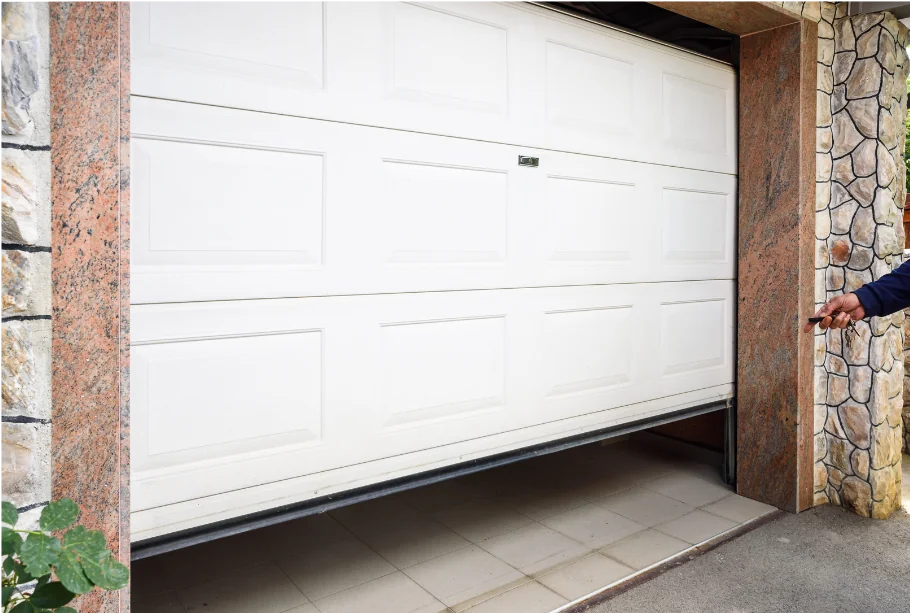
When it comes to maintaining your home, knowing what to look for in a garage door inspection is crucial. A well-functioning garage door is not only a convenience but also a safety feature. Homeowners should conduct regular inspections to ensure everything operates smoothly. This guide will help you understand the key components to check and maintain.
Why Regular Garage Door Inspections Matter
A garage door is often the largest moving part of your home. Regular inspections help prevent unexpected failures and costly repairs. Additionally, a properly maintained garage door enhances your home’s security, keeping your family and belongings safe. For more insights on garage security, read about garage security in high crime areas.
Initial Visual Inspection
Start with a visual inspection. Look for obvious signs of wear and tear such as rust, dents, or damage to panels. Ensure the garage door is level and symmetrical. If anything appears off, it might be time to consult a professional.
Checking the Hardware
Inspect all the hardware components like bolts and hinges. Tighten any loose parts and replace those that are worn out. This is a simple yet effective way to prevent bigger problems down the line.
Inspecting the Tracks
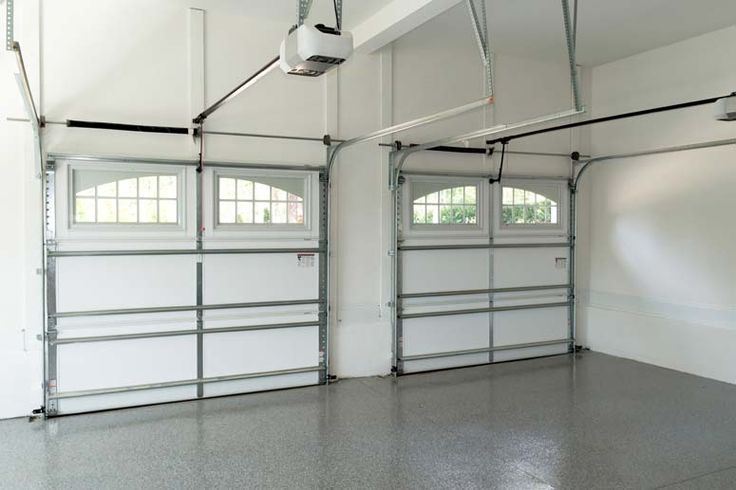
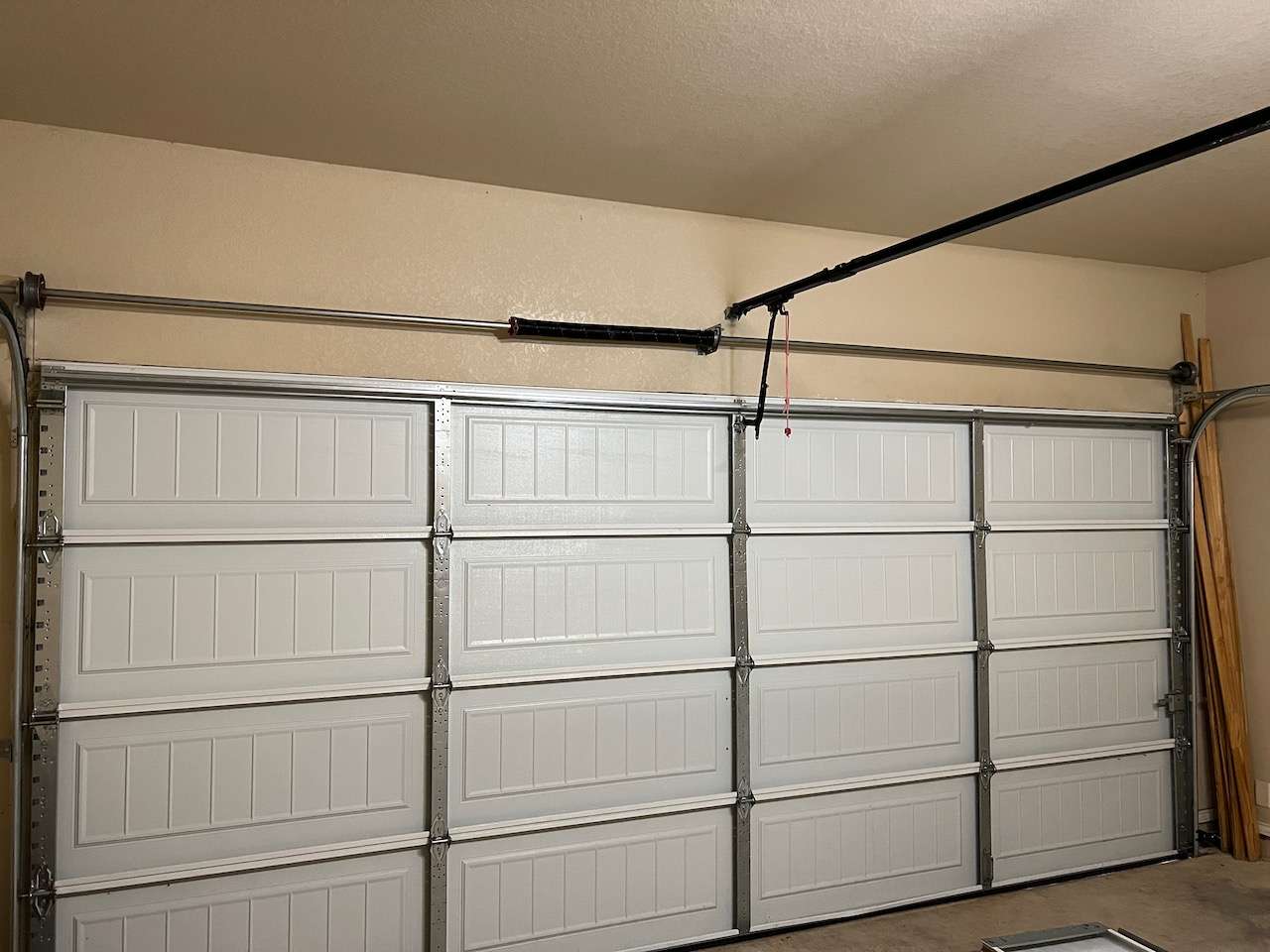
The tracks should be clean and free of debris. Ensure they are aligned correctly and not bent. Misaligned tracks can cause the door to malfunction.
Testing the Door Balance
A balanced garage door is crucial for smooth operation. Disconnect the opener by pulling the release handle while the door is closed. Manually lift the door halfway and let go. If it stays in place, it’s balanced. If not, it may need adjustment.
Examining Springs and Cables
Check the condition of the springs and cables. These are under high tension and can be dangerous to handle. Look for signs of wear or damage but leave repairs to a professional to avoid injury.
Lubricating Moving Parts
Lubrication is essential for reducing friction and wear. Apply a suitable lubricant to the rollers, hinges, and tracks. Avoid using grease as it attracts dirt and debris.
Testing Safety Features
Your garage door should have safety features like auto-reverse mechanisms. Test them by placing an object in the door’s path and closing it. The door should automatically reverse upon contact. If not, it requires immediate attention.
Assessing the Weatherstripping
Inspect the weatherstripping at the bottom of the door. It should be intact to prevent drafts and water ingress. Replace it if it’s cracked or worn.
Reviewing the Opener System
Check the openers operation by observing how smoothly it raises and lowers the door. Listen for unusual noises which might indicate a problem. For those interested in integrating technology for easier control, see how smart speakers can integrate with garage entry.
Addressing Noises and Vibrations
Unusual noises or vibrations can signal issues. These might stem from loose hardware or the need for lubrication. Addressing these early can prevent more serious damage.
Enhancing Security Features
Consider upgrading your garage door’s security features for added peace of mind. This could include advanced locking systems or smart technology integration.
When to Call a Professional
While DIY inspections are valuable, certain issues require professional expertise. If you notice significant wear or if the door fails any tests, contact a garage door technician.
Professional Maintenance Benefits
Hiring a professional ensures that all components are thoroughly checked and maintained. This can extend the lifespan of your garage door and save you money in the long run. For professional guidance, you might find the article on regular garage door inspections and tune-ups helpful.
Conclusion
Knowing what to look for in a garage door inspection can keep your door in excellent condition and ensure your home’s safety and security. Regular maintenance and timely professional help are key to a long-lasting garage door.
Frequently Asked Questions
What is the most important part of a garage door inspection?
Checking the balance and safety features is crucial. A balanced door operates smoothly, and functional safety features prevent accidents.
How often should I inspect my garage door?
It’s recommended to perform a basic inspection every three to six months and a professional inspection once a year.
Can I perform garage door repairs myself?
While minor tasks like lubrication can be done by homeowners, repairs, especially involving springs and cables, should be left to professionals due to safety concerns.
This article contains affiliate links. We may earn a commission at no extra cost to you.