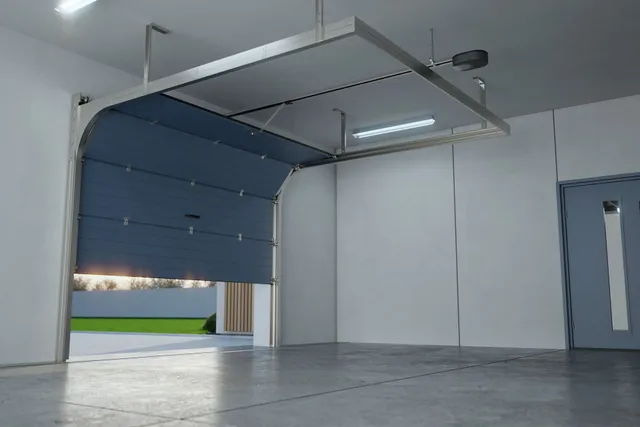
A garage door that fails to fully open can quickly disrupt your day, leaving your car trapped or your workspace inaccessible. Whether the issue is new or has been developing over time, understanding the possible causes is the first step toward a solution. This guide will walk you through the most common reasons a garage door might not reach its full open position, how to diagnose the problem, and what you can do to fix it safely.
Homeowners often encounter this frustrating situation, but with a little knowledge and some practical troubleshooting, many problems can be resolved without calling a professional. If you’re searching for answers about why garage door won’t open all the way, you’re in the right place.
For a more detailed breakdown of related problems, you can also check out the reasons garage door stops midway and how to prevent them.
Common Causes of a Garage Door Not Opening Fully
There are several potential reasons why your garage door might stop short of its full open position. Some are simple to fix, while others may require professional attention. Here are the most frequent culprits:
- Obstructions or debris in the tracks
- Misaligned or bent tracks
- Worn or broken springs
- Travel limit settings that need adjustment
- Malfunctioning opener sensors
- Lack of lubrication on moving parts
- Damaged cables or pulleys
Each of these issues can prevent your garage door from opening all the way. Let’s look at how to identify and address each one.
Inspecting the Tracks and Rollers
One of the first things to check is the condition of your garage door tracks and rollers. Dirt, debris, or even small objects can block the path, causing the door to stop prematurely.

Start by visually inspecting the tracks on both sides. Remove any visible debris and check for bends or misalignments. If the tracks are not straight, the rollers may get stuck or bind, preventing the door from moving smoothly. Tighten any loose brackets and gently tap out minor bends with a rubber mallet. If the damage is severe, consider professional repair.
Rollers should spin freely and not wobble. If they appear worn or damaged, replacing them can restore smooth operation. Lubricating the rollers and tracks with a silicone-based spray can also help reduce friction and sticking.
Understanding Travel Limit Settings and Adjustments
Modern garage door openers include travel limit switches that control how far the door opens and closes. If these settings are off, your door may stop short of fully opening or closing.
Consult your opener’s manual for instructions on adjusting the travel limits. Typically, there are two dials or screws on the opener unit—one for the up (open) limit and one for the down (close) limit. Turn the appropriate dial in small increments, testing the door after each adjustment until it opens to the desired height.
For a deeper dive into this topic, see understanding garage door travel limits for smooth operation. If you need to reset these settings, follow the steps outlined in how to reset garage door travel limit for proper function.
Spring and Cable Issues That Prevent Full Opening
The springs and cables in your garage door system bear much of the door’s weight. If a spring is broken or a cable is frayed, the opener may struggle to lift the door completely.

Torsion or extension springs should be intact and tightly wound. If you notice a gap in the spring or hear a loud bang from the garage, a spring may have snapped. This is a dangerous repair—do not attempt to replace springs yourself unless you have experience and proper tools. Instead, contact a qualified technician.
Similarly, inspect the cables for fraying or slack. Damaged cables can also cause the door to stop partway. Replacing cables is best left to professionals due to the high tension involved.
Sensor and Opener Malfunctions
Garage doors are equipped with safety sensors near the floor on either side of the door. If these sensors are misaligned, dirty, or blocked, the opener may interpret this as an obstruction and refuse to open the door fully.
Wipe the sensors clean and ensure they are facing each other. A solid light on both sensors usually indicates proper alignment. If the lights are blinking, realign until the signal is steady. If the problem persists, the sensors or the opener’s logic board may need replacement.
For more on related issues, see what causes garage door to reverse halfway and how to fix it.
Lubrication and Regular Maintenance
Lack of lubrication is a common but easily overlooked reason for a garage door to stop before opening fully. Dry rollers, hinges, and tracks can create enough resistance to trigger the opener’s safety mechanism.
Apply a garage door lubricant spray to all moving parts, including rollers, hinges, and springs. Avoid using grease, which can attract dirt and gum up the system. Regular maintenance not only prevents partial opening issues but also extends the lifespan of your garage door components.
When to Call a Professional
While many garage door issues can be resolved with basic troubleshooting, some situations require expert help. If you suspect a broken spring, damaged cable, or a malfunctioning opener that you can’t fix with adjustments, it’s safest to call a licensed technician.
Attempting complex repairs without proper training can result in injury or further damage to your door system. If you’re unsure, it’s always better to seek professional assistance.
Additional Resources and Solutions
For more troubleshooting tips and solutions, you can review the common causes of garage door halfway issue and their fixes. If you want to understand why your garage door stops partway and how to prevent it, the linked resources provide step-by-step guidance.
If you’re looking for a comprehensive overview from a manufacturer’s perspective, this guide on why your garage door stops halfway and how to fix it offers additional insights.
Frequently Asked Questions
What should I check first if my garage door won’t open completely?
Begin by inspecting the tracks and rollers for obstructions or debris. Make sure the tracks are straight and the rollers move freely. Next, check the opener’s travel limit settings and ensure the safety sensors are clean and aligned.
Can I adjust the travel limits myself?
Yes, most garage door openers allow you to adjust the travel limits using dials or screws on the opener unit. Refer to your opener’s manual for specific instructions. Make small adjustments and test the door after each change.
Is it safe to repair garage door springs on my own?
No, replacing or repairing garage door springs is dangerous due to the high tension involved. Always contact a professional technician for spring or cable repairs to avoid injury.
How often should I lubricate my garage door?
Lubricate all moving parts—rollers, hinges, and springs—every six months or whenever you notice squeaking or resistance. Use a silicone-based garage door lubricant for best results.