If your garage door opens and closes smoothly by hand but refuses to budge when you press the remote or wall button, you’re not alone. This is a common issue that can leave homeowners puzzled and frustrated. Understanding why garage door works manually but not automatically is the first step toward a safe and effective fix. Whether you’re dealing with a sudden malfunction or a problem that’s been building up over time, this guide will walk you through the most likely causes, troubleshooting steps, and solutions.
Before diving into repairs, it’s important to know that most modern garage doors are designed with safety features that can prevent automatic operation if something is wrong. By learning how these systems work, you can often pinpoint the issue and decide if it’s something you can handle or if you need professional help. For a deeper understanding of opener settings, you might also want to check out how garage door limit settings work.
Common Reasons for Manual Operation Success but Automatic Failure
When your garage door can be opened or closed by hand but not with the opener, it’s a sign that the physical door mechanism is intact. The issue usually lies with the automatic system or its safety components. Here are the most frequent causes:
- Power supply problems – The opener may not be getting electricity.
- Disengaged opener – The emergency release cord may have been pulled, disconnecting the trolley from the opener.
- Sensor misalignment or obstruction – Safety sensors can stop the door from moving automatically.
- Remote or wall switch failure – Issues with controls can prevent activation.
- Opener motor or circuit board issues – Internal faults can stop automatic function.
- Limit or force settings – Incorrect settings can prevent full operation.
Troubleshooting Steps for Automatic Garage Door Issues
To figure out why your garage door works manually but not with the opener, follow these practical steps:
1. Check the Power Source
Make sure the opener is plugged in and the outlet is working. Test the outlet with another device. If there’s no power, check your circuit breaker or GFCI outlet.
2. Inspect the Emergency Release
The red emergency release cord disconnects the door from the opener for manual operation. If this has been pulled, the opener won’t move the door. Reconnect the trolley to the opener rail according to your manufacturer’s instructions.
3. Examine the Safety Sensors
Garage doors have photo-eye sensors near the floor on each side. If these are misaligned or blocked, the door won’t close automatically. Clean the lenses and make sure both sensors are facing each other. For more detailed steps, see this garage door photo eye troubleshooting guide.
4. Test the Remote and Wall Switch
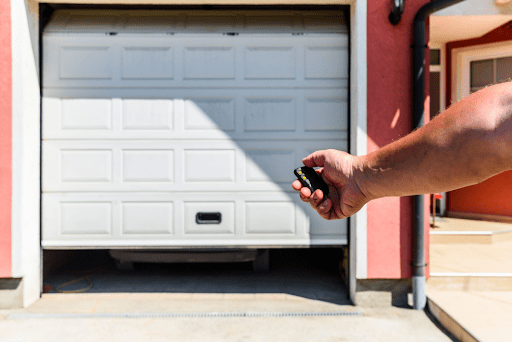
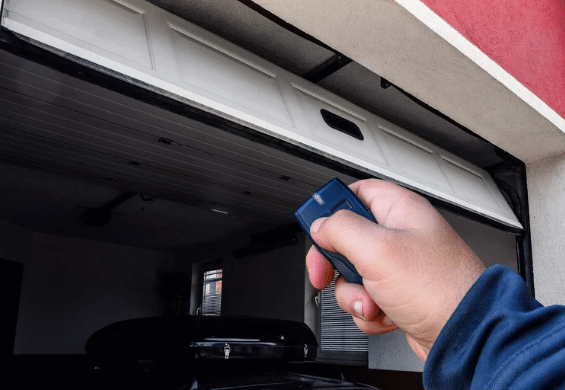
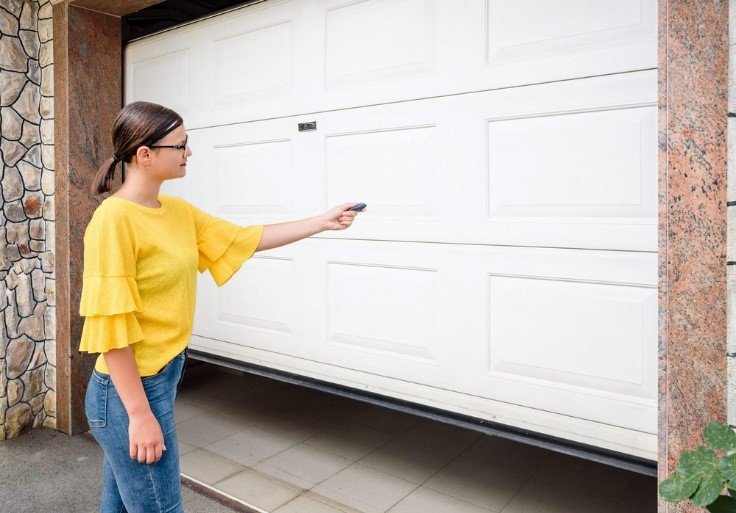
If the wall switch works but not the remote, try replacing the remote’s batteries or reprogramming it. If neither works, the problem may be with the opener’s receiver or wiring.
5. Listen for Motor or Gear Problems
If you hear the opener running but the door doesn’t move, the drive gear or belt may be broken. In this case, the opener needs repair or replacement.
6. Review Limit and Force Settings
Incorrect limit or force settings can cause the door to stop or reverse before fully opening or closing. Adjust these according to your opener’s manual. For more information, see garage door limit switch explained.
How Safety Features Affect Automatic Operation
Modern garage doors are equipped with several safety features that can prevent automatic movement if a problem is detected. These include:
- Photo-eye sensors – Stop the door if something crosses the beam.
- Force and limit controls – Prevent the door from closing on objects or people.
- Reversing mechanisms – Reverse the door if it encounters resistance.
If your door only works manually, it’s possible one of these features is being triggered. For example, if the door reverses halfway, you may want to read about the garage door reversing halfway safety feature for more insight.
Maintenance Tips to Prevent Automatic Opener Problems
Keeping your garage door system in good shape can help avoid issues where it works by hand but not with the opener. Here are some practical maintenance tips:
- Lubricate moving parts such as rollers, hinges, and tracks regularly.
- Clean and align the photo-eye sensors.
- Test the balance of the door by disconnecting the opener and lifting the door halfway; it should stay in place.
- Check for loose or frayed cables and worn-out springs.
- Inspect the opener’s wiring and connections for signs of wear or corrosion.
When to Call a Professional
While many problems can be solved with basic troubleshooting, some situations require expert attention. If you notice broken springs, frayed cables, or if the opener makes grinding noises and doesn’t move the door, it’s best to contact a qualified technician. Attempting to repair high-tension parts yourself can be dangerous.
For doors that stop partway or reverse unexpectedly, you can find more information in this detailed article on garage doors stopping halfway.
Preventing Future Issues with Automatic Garage Doors
Regular inspection and timely maintenance are key to keeping your garage door opener running smoothly. Test the door’s auto-reverse feature monthly, keep the tracks clear, and replace batteries in remotes as needed. For more on how sensors can prevent accidents, see how garage door sensors prevent accidents.
Frequently Asked Questions
Why does my garage door move by hand but not with the remote?
This usually means the door itself is fine, but the opener or its controls have a problem. Check for power issues, a disengaged trolley, or faulty remotes. Also, inspect the safety sensors and opener settings.
What should I do if the garage door opener hums but doesn’t move the door?
A humming sound often points to a stripped gear or a jammed drive mechanism. Disconnect the opener and try moving the door manually. If it moves freely, the opener likely needs repair or replacement.
Can I fix an automatic garage door problem myself?
Many issues, such as sensor misalignment or power supply problems, can be fixed by homeowners. However, if you encounter broken springs or cables, or if you’re unsure, it’s safest to call a professional.