A loud garage door opener can be more than just an annoyance—it may signal underlying issues that could affect the safety, longevity, or function of your entire garage door system. Addressing excessive noise early helps prevent further damage, reduces the risk of sudden breakdowns, and ensures the smooth operation of your home’s largest moving part. In this guide, you’ll learn about the most frequent causes of garage door noise, safe steps for preliminary inspection, the importance of choosing the right lubricant for each part, and when it’s best to call a professional for help.
Understanding the Causes of Garage Door Opener Noise
Before considering any noisy garage door opener solutions, it’s important to identify what’s causing the sound. Different types of noises often point to specific problems within the system. According to garage door manufacturers, squeaking usually results from a lack of lubrication, while grinding or scraping sounds may indicate misaligned tracks or worn-out rollers.
- Squeaking: Most often caused by dry metal parts, such as hinges, rollers, or springs, lacking proper lubrication.
- Grinding: May signal misaligned tracks, worn gears, or metal parts rubbing together due to improper alignment.
- Banging or rattling: Loose hardware, such as bolts, nuts, or brackets, can create these sounds as the door moves.
- Popping: This can occur if the torsion springs are binding or if the door panels are flexing under stress.
Recognizing these noises can help you determine whether a simple fix is possible or if professional attention is needed. However, always approach inspection with caution—never attempt to adjust high-tension components like springs or cables yourself.
Safe DIY Steps for Reducing Garage Door Noise
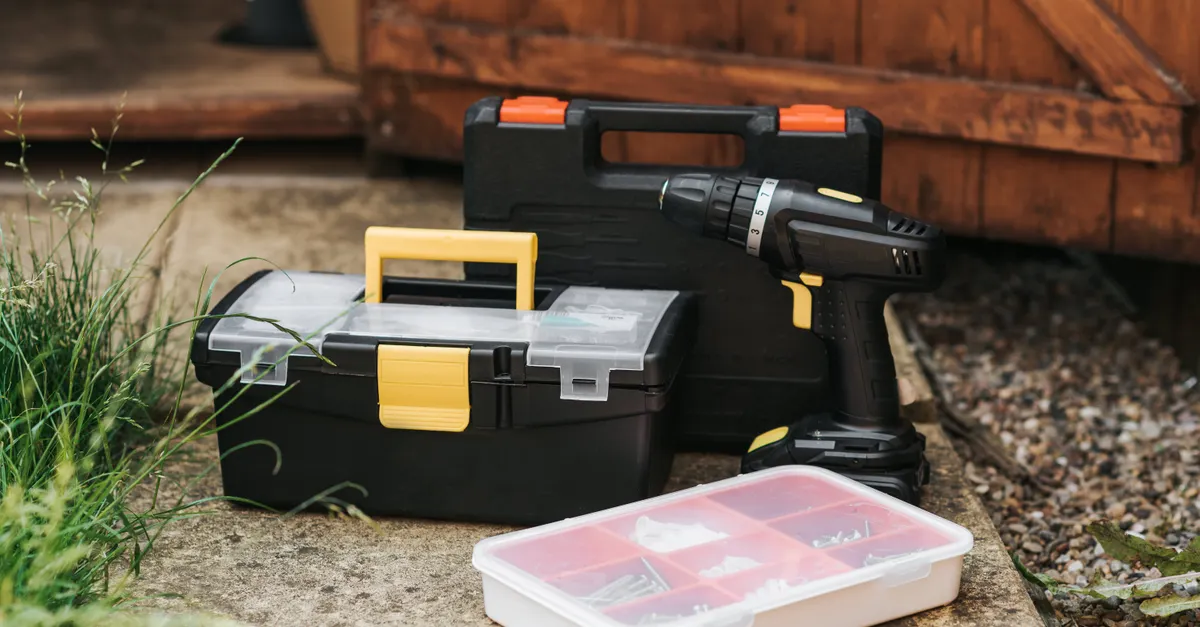
Many homeowners can safely address minor noise issues with basic tools and the right approach. The most common and effective noisy garage door opener solutions involve lubrication and tightening accessible hardware. However, always disconnect the power to the opener and avoid touching any high-tension parts.
Lubrication: Choosing the Right Product for Each Part
A lack of lubrication is a leading cause of garage door noise. Not all lubricants are created equal, and using the correct type for each component is essential for effective noise reduction and long-term performance.
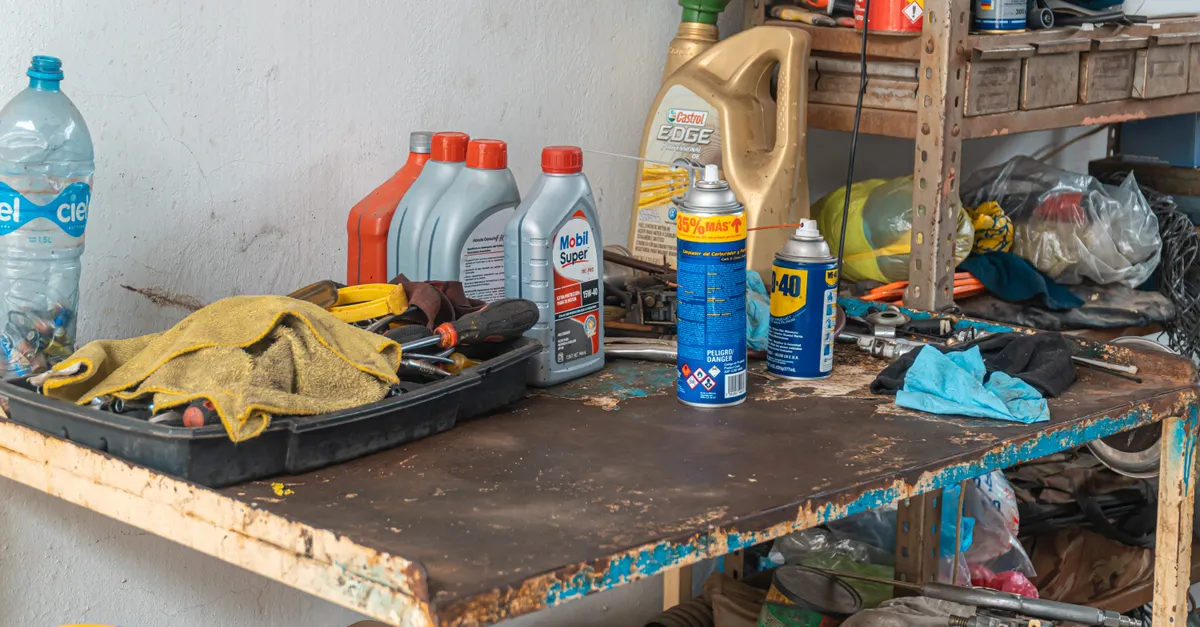
- Hinges and Metal Rollers: Use a lithium-based spray lubricant or a synthetic garage door lubricant. Avoid general-purpose oils, as they can attract dust and gum up over time.
- Tracks: Tracks should be kept clean and free of debris, but do not lubricate them. Lubricant on tracks can cause rollers to slip or attract dirt.
- Springs: Torsion and extension springs benefit from a thin coat of a specialized garage door lubricant. This reduces squeaking and helps prevent rust.
- Opener Chain or Screw: Use a white lithium grease for chains or a silicone-based lubricant for screw drives, following your opener manufacturer’s recommendations.
For a more detailed look at product selection, see this guide to garage door lubricant for noisy springs, which compares options and explains their best uses.
Tightening Hardware
Over time, the vibrations from daily use can loosen nuts, bolts, and brackets. Use a socket wrench to gently tighten any accessible hardware on the door and opener. Do not overtighten, as this may strip threads or damage components.
Roller and Hinge Inspection
Check for worn or damaged rollers and hinges. Metal rollers can become noisy as they age, while nylon rollers are generally quieter and require less maintenance. If you notice significant wear or damage, contact a professional for replacement.
Safe Cleaning Practices
Dirt and debris in the tracks or on moving parts can contribute to noise. Use a damp cloth to wipe down tracks and hardware, but never use harsh chemicals or attempt to remove or adjust springs and cables yourself.
When to Seek Professional Help
While many minor noise issues can be addressed with lubrication and tightening, some problems require the expertise of a trained technician. Attempting complex repairs without proper knowledge can be dangerous due to the high tension in garage door springs and cables.
Contact a professional if you notice:
- Persistent grinding or scraping noises after lubrication and tightening
- Visible damage to springs, cables, or rollers
- The door is off its tracks or moves unevenly
- Sudden or severe changes in door operation
Professional technicians have the tools and training to safely diagnose and repair issues that go beyond basic maintenance. They can also identify early signs of motor failure—if you suspect a deeper problem, review the Garage Door Opener Motor Failure Signs You Should Know for more information.
Maintenance Tips for Keeping Your Garage Door Quiet
Regular maintenance is key to preventing noise and extending the life of your garage door system. Here’s a simple schedule and checklist to help keep things running smoothly:
- Monthly: Inspect visible hardware for looseness and tighten as needed. Listen for new or unusual noises during operation.
- Quarterly: Lubricate hinges, rollers, and springs with the appropriate garage door lubricant. Clean tracks with a damp cloth.
- Annually: Schedule a professional inspection to assess the condition of springs, cables, and opener mechanisms. Replace worn parts as recommended.
Checklist for Quiet Operation:
- Use only nylon rollers for quieter performance
- Keep tracks clean and free of obstructions
- Lubricate moving parts regularly with the right products
- Test door balance and auto-reverse safety features (consult your opener’s manual for safe procedures)
- Replace weatherstripping if it becomes brittle or cracked
By following these steps, you can minimize noise and reduce the risk of unexpected breakdowns.
Frequently Asked Questions
What are the most common causes of a noisy garage door opener?
The most frequent causes include lack of lubrication, worn or metal rollers, loose hardware, and misaligned tracks. Each type of noise—squeaking, grinding, or banging—can indicate a different underlying issue.
Can I fix a noisy garage door opener myself?
You can safely perform basic maintenance such as lubricating moving parts and tightening accessible hardware. However, avoid adjusting or repairing springs, cables, or any high-tension components. For complex issues, always consult a professional.
How often should I lubricate my garage door to prevent noise?
Lubricate hinges, rollers, and springs every three months, or more frequently if you notice increased noise. Use a product specifically designed for garage doors for best results.
What type of lubricant is best for garage door parts?
Lithium-based spray lubricants or synthetic garage door lubricants are ideal for hinges and rollers. Use white lithium grease for opener chains and silicone-based lubricants for screw drives. Avoid using WD-40 or general-purpose oils, as they can attract dust and degrade performance.
When should I call a professional for garage door noise?
If noise persists after basic maintenance, or if you notice damaged springs, cables, or rollers, seek professional help. Also, call a technician if the door is off track or if you suspect motor or opener issues.
Conclusion
Addressing garage door noise promptly helps prevent further damage and ensures safe, reliable operation. Most minor issues can be managed with regular lubrication, tightening hardware, and routine cleaning, but always know your limits—never attempt repairs involving high-tension parts. For persistent or severe problems, professional assessment is the best way to protect your investment and maintain peace of mind. Regular maintenance and the right noisy garage door opener solutions will keep your system running quietly and efficiently for years to come.