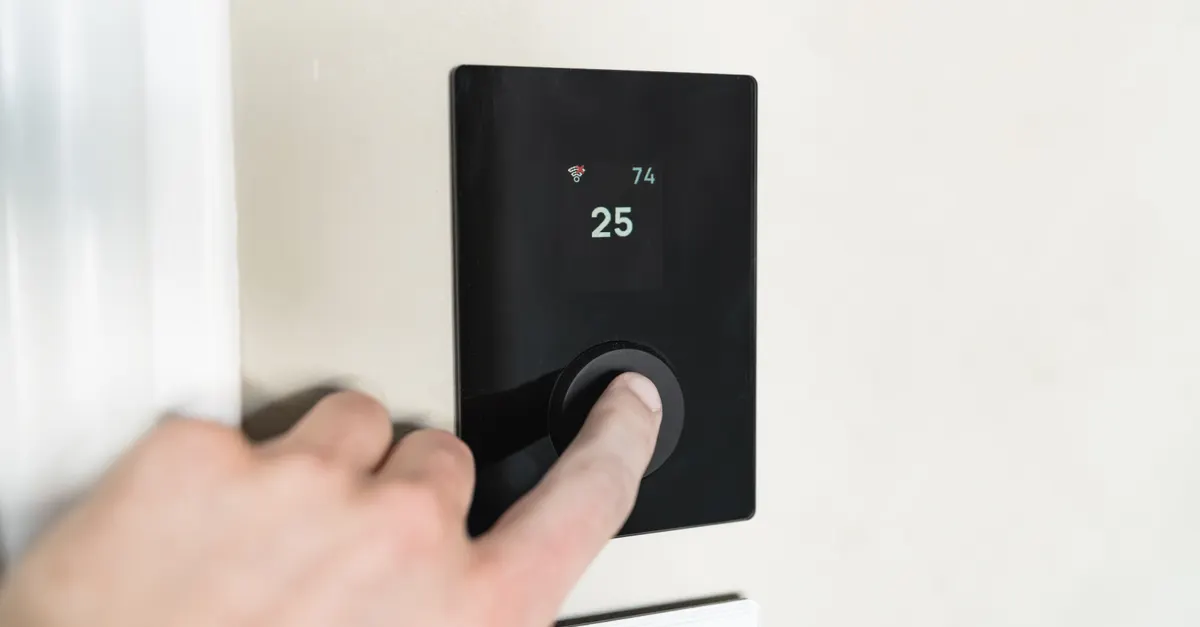
Maintaining a comfortable temperature in your garage is essential for both convenience and safety, especially during colder months. Many homeowners rely on a dedicated garage heater, but achieving the right balance of warmth and energy efficiency depends heavily on how you set and manage the thermostat. Understanding the different types of thermostats, how to safely inspect them, and knowing when to seek professional help are all key to optimizing your garage environment. This guide will walk you through the essentials of how to adjust garage heater thermostat settings, with a strong focus on safety and practical steps.
Understanding Garage Heater Thermostats
A garage heater thermostat is a device that regulates the temperature by controlling when your heater turns on or off. Its main function is to maintain a consistent, comfortable environment while also helping you manage energy use. Unlike thermostats in living spaces, those designed for garages often need to handle lower temperatures and more variable conditions.
Proper adjustment of your thermostat can make a significant difference in comfort, prevent pipes from freezing, and even extend the life of your heater. It also plays a crucial role in energy efficiency, ensuring you’re not overheating the space or wasting fuel or electricity.
Types of Garage Heater Thermostats
There are several types of thermostats commonly used with garage heaters. Choosing the right one for your setup can impact both comfort and safety. Here’s a breakdown of the main types and their features:
Manual Thermostats
These are the most basic type, featuring a simple dial or slider to set the desired temperature. They are straightforward to use and generally reliable, but they lack advanced features like scheduling or remote control.
Programmable Thermostats
Programmable models allow you to set different temperatures for various times of day or week. This is especially useful if you only use your garage at certain times, as it helps reduce energy consumption when the space is unoccupied.
Smart Thermostats
Smart thermostats can be controlled remotely via smartphone apps and often include features like learning your schedule or adjusting based on outside temperature. While they offer the most flexibility, compatibility with garage heaters can vary, so check your heater’s specifications before upgrading.
Low-Temperature Thermostats
Specifically designed for unheated spaces, low-temperature thermostats are built to function reliably at lower ambient temperatures. They are ideal for garages in colder climates, as they can prevent the heater from cycling unnecessarily or failing to start in freezing conditions.
Pros and Cons of Different Thermostat Types
When deciding which thermostat is best for your garage, consider the following:
Pros:
- Manual thermostats are simple and affordable.
- Programmable models improve energy efficiency.
- Smart thermostats offer remote access and advanced features.
- Low-temperature models are reliable in cold conditions.
Cons:
- Manual types lack scheduling and remote control.
- Programmable and smart models may require more complex installation.
- Not all smart thermostats are compatible with every garage heater.
Setting the Optimal Temperature for Your Garage
Finding the right optimal temperature for your garage depends on how you use the space and your local climate. For most homeowners, a setting between 45°F and 55°F is sufficient to prevent freezing and maintain comfort without excessive energy use. If you use your garage as a workshop or spend extended time there, you may prefer a range of 60°F to 65°F.
Keep in mind that higher temperatures will increase energy consumption. To maximize energy efficiency, only heat the garage when necessary and consider using a garage heater timer to limit operation to your active hours.
For those storing sensitive items or using the garage for hobbies, a programmable thermostat can help maintain a steady temperature without constant manual adjustments. If your garage is attached to your home, maintaining a moderate temperature can also help reduce the load on your home’s heating system.
Safe Preliminary Inspection Before Adjusting Your Thermostat
Before making any adjustments to your garage heater thermostat, it’s important to perform a safe preliminary inspection. This helps prevent accidents and ensures your system is functioning as intended.
- Turn off power to the heater at the breaker box before inspecting or adjusting any wiring or components.
- Check for visible damage to the thermostat, wiring, or heater unit. Signs of wear, frayed wires, or discoloration can indicate underlying issues.
- Ensure the thermostat is mounted securely and is not exposed to direct drafts or heat sources, as this can affect its accuracy.
- If your thermostat uses batteries, replace them as needed to avoid malfunction.
Never attempt to open or rewire the thermostat unless you are fully confident in your electrical skills. If you notice any irregularities or are unsure about the safety of your setup, stop and consult a professional.
Thermostat Wiring and Safety Considerations
Proper thermostat wiring is crucial for both performance and safety. Incorrect wiring can lead to heater malfunction, electrical hazards, or even fire. Here are some essential safety guidelines:
- Always disconnect power at the breaker before handling any wiring.
- Refer to the manufacturer’s instructions for your specific heater and thermostat model. Wiring diagrams are usually provided in the manual or on the device itself.
- Use appropriate tools such as a voltage tester to confirm that circuits are not live before touching wires.
- Only use wire nuts and connectors rated for the voltage and current of your system.
- Check that all connections are tight and secure to prevent arcing or overheating.
If you encounter unfamiliar wire colors, missing labels, or any signs of previous DIY repairs, it’s best to stop and call a licensed electrician. Attempting to troubleshoot or rewire a system without the proper knowledge can be dangerous.
For more on related garage adjustments, see our guide on opener limit adjustments for garage doors.
When to Call a Professional for Thermostat Issues
While some thermostat adjustments are straightforward, there are situations where professional help is the safest and most effective option. Consider contacting a licensed technician if you experience any of the following:
- The heater fails to respond to thermostat changes.
- You notice burning smells, buzzing sounds, or frequent circuit breaker trips.
- There is visible damage to wiring or electrical components.
- You are unsure about the correct wiring or compatibility of your thermostat and heater.
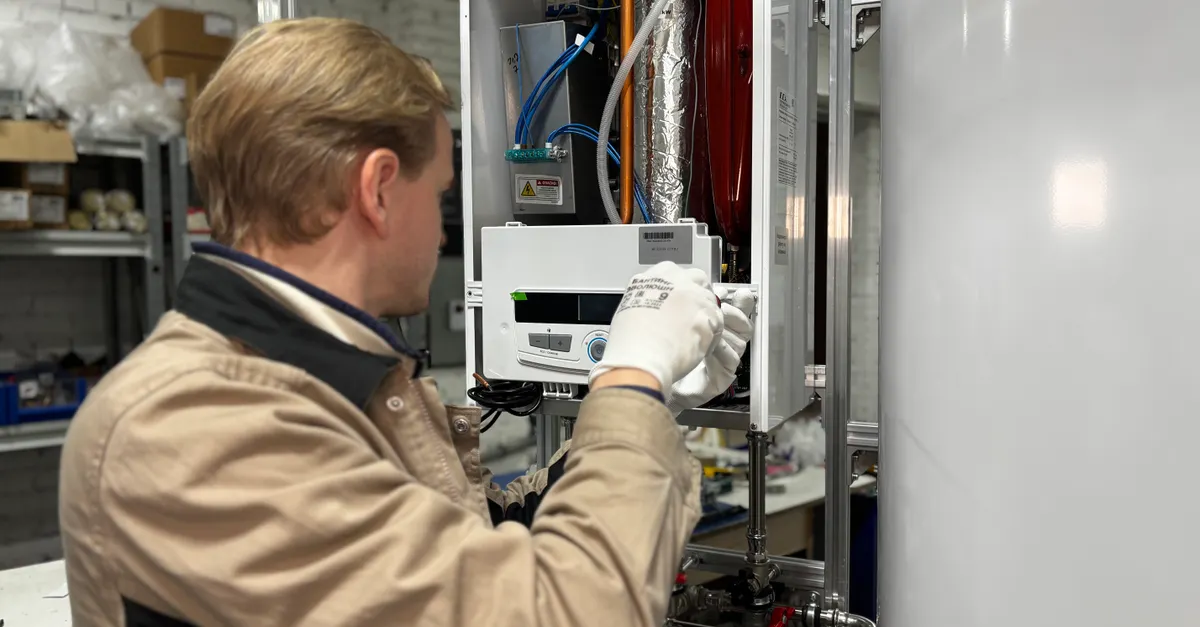
Professionals have the tools and expertise to diagnose and resolve complex issues, ensuring your system operates safely and efficiently. Attempting advanced repairs or installations without proper training can put you and your property at risk.
Frequently Asked Questions
How do I adjust a garage heater thermostat safely?
Begin by turning off the power at the breaker. For manual thermostats, adjust the dial or slider to your preferred temperature. For programmable or smart models, follow the manufacturer’s instructions for setting schedules or remote adjustments. Never attempt to rewire or open the thermostat unless you are qualified; always prioritize safety and consult a professional for electrical work.
What temperature should I set my garage heater for comfort and efficiency?
For most garages, a setting between 45°F and 55°F balances comfort and energy savings. If you use the garage as a workspace, you may prefer a higher setting, but keep in mind that this will increase energy use. Adjust as needed based on your activities and local climate.
What are the benefits of a low-temperature thermostat in a garage?
A low-temperature thermostat is designed to operate reliably in colder environments, making it ideal for unheated or minimally insulated garages. It helps prevent the heater from cycling unnecessarily and ensures the system activates even when ambient temperatures drop significantly, protecting your space and stored items from freezing.
Conclusion
Adjusting your garage heater thermostat is a key step in maintaining a comfortable and efficient space. By understanding the different types of thermostats, setting an appropriate temperature, and following essential safety guidelines, you can optimize your garage environment while minimizing risks. Always perform a safe preliminary inspection before making changes, and do not hesitate to call a professional for wiring or complex adjustments. Taking these precautions will help ensure your garage remains a safe and comfortable extension of your home.