Maintaining a smooth and quiet garage door relies heavily on proper lubrication. Many homeowners overlook this simple task, yet it plays a crucial role in reducing wear, preventing noise, and extending the life of garage door components. However, using the wrong lubricant or applying it incorrectly can lead to a range of problems, from noisy operation to premature part failure. Understanding how to troubleshoot garage door lubricant issues is essential for keeping your system running efficiently and safely. This guide explores common lubrication mistakes, the right products for each component, safe inspection practices, and when to call a professional.
Understanding Lubrication Problems in Garage Doors
Garage doors are complex systems with moving parts that require regular attention. Lubrication minimizes friction between components such as rollers, hinges, springs, and bearing plates. When lubrication is neglected or performed incorrectly, several issues can arise:
- Increased noise during operation
- Stiff or jerky movement
- Premature wear and tear on parts
- Potential for costly repairs
According to leading manufacturers, regular lubrication reduces friction and noise, extends component lifespan, and helps prevent expensive breakdowns. On the other hand, improper application or using the wrong product can do more harm than good, sometimes attracting dirt or causing residue buildup that impedes movement.
Common Issues Caused by Incorrect Lubrication
Improper lubrication is a frequent source of garage door trouble. Here are some of the most common problems that can result from mistakes in this area:
- Excessive Noise: Squeaking or grinding sounds often indicate that key parts like hinges or rollers lack sufficient lubrication or have been treated with an unsuitable product.
- Sticky or Stiff Movement: If the door feels heavy or sticks midway, old or incorrect lubricant may have gummed up the tracks or moving parts.
- Residue Buildup: Using grease or non-recommended oils can attract dust and debris, leading to sticky residue that hampers smooth operation.
- Corrosion and Rust: Failure to lubricate metal components leaves them vulnerable to rust, especially in humid environments.
- Component Wear: Without proper lubrication, friction accelerates wear on rollers, hinges, and springs, shortening their lifespan.
Proper application is crucial for performance and longevity. As highlighted by industry sources, incorrect use of lubricants can actually cause harm, leading to more frequent repairs and potential safety hazards.
How to Lubricate Garage Door Components Safely
While many homeowners are comfortable performing basic maintenance, it’s important to approach garage door lubrication with caution. The following steps outline safe inspection and lubrication practices, focusing on what you can check and when to seek professional assistance:
- Prepare the Area: Disconnect the garage door opener to prevent accidental activation. Make sure the door is closed and stable before starting any inspection.
- Inspect Key Components: Look at the rollers, hinges, springs, and bearing plates for signs of dryness, rust, or residue buildup. Avoid touching springs directly, as they are under high tension.
- Choose the Right Product: Use only lubricants specifically designed for garage doors. Avoid household oils or greases, which can attract dirt or cause gumming.
- Apply Lubricant Sparingly: For rollers and hinges, a small amount of spray lubricant is usually sufficient. Wipe away any excess to prevent drips or residue.
- Test the Door: Open and close the door a few times to distribute the lubricant. Listen for persistent noise or resistance—if problems remain, further inspection or professional help may be needed.
Never attempt to disassemble or repair high-tension components like springs or cables yourself. If you notice frayed cables, broken springs, or parts that appear damaged, contact a qualified technician immediately. For more information on safe troubleshooting, you may find this resource on garage door cable issues helpful.
Choosing the Best Lubricant for Each Garage Door Part
One of the most common mistakes is using the wrong lubricant on garage door components. Here’s a breakdown of suitable products for each part:
| Component | Recommended Lubricant | What to Avoid |
|---|---|---|
| Rollers (metal, without nylon) | Silicone-based spray or lithium-based spray | Grease, heavy oils |
| Rollers (with nylon) | Silicone spray (avoid direct contact with nylon) | Petroleum-based oils |
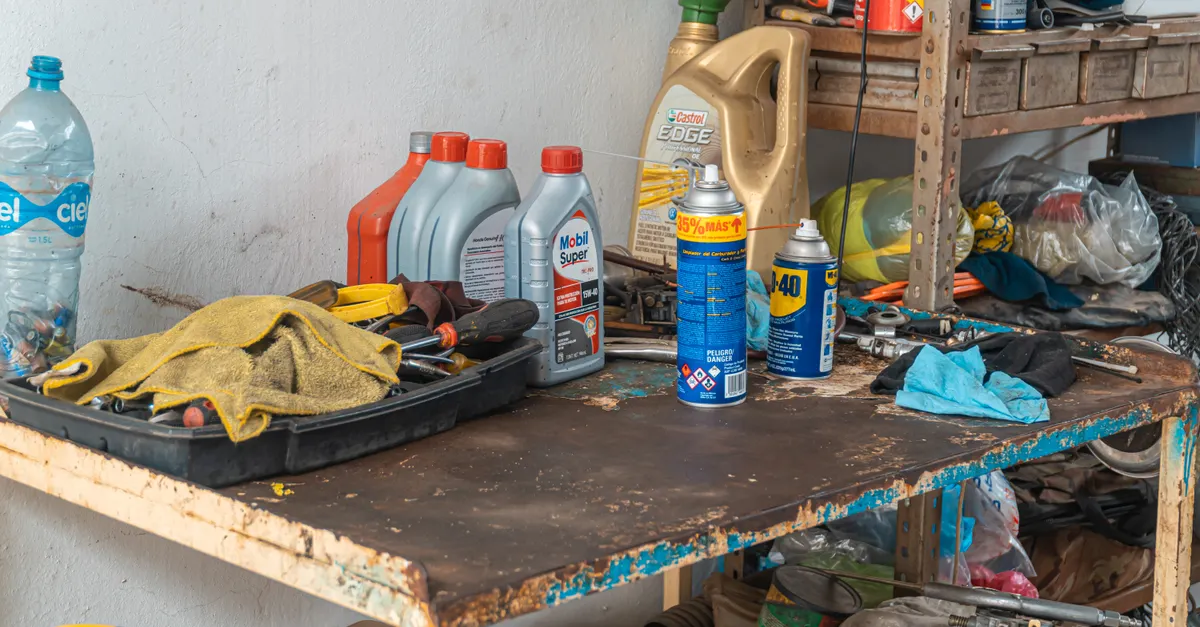
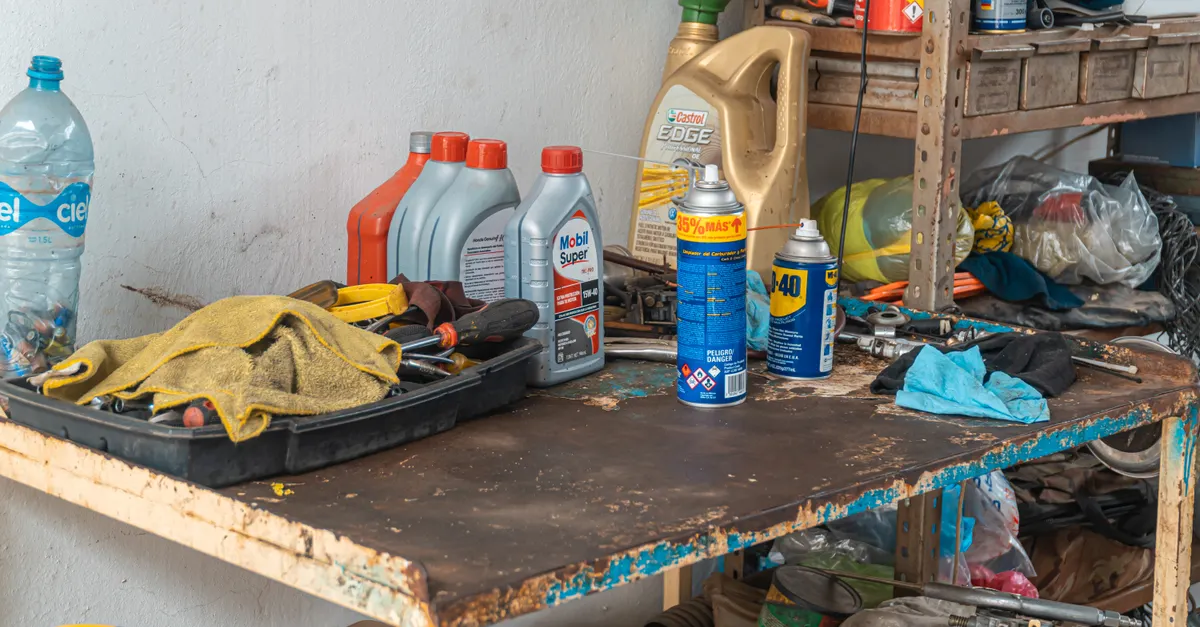
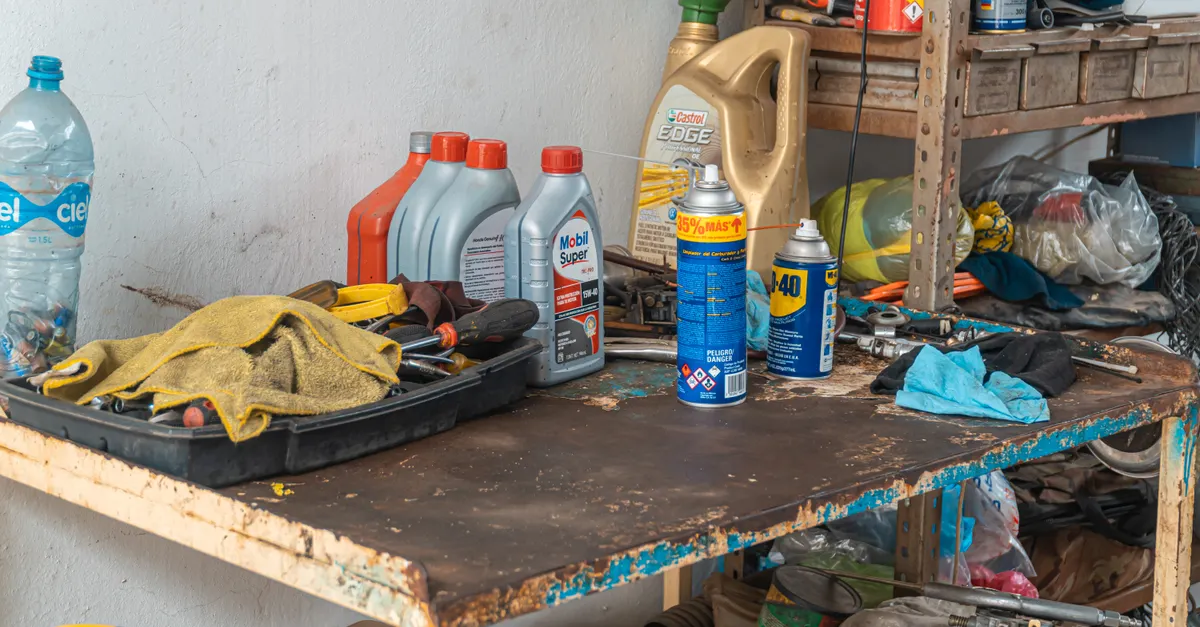
| Hinges | Lithium-based spray or silicone spray | Grease, WD-40 (not a lubricant) |
| Springs | Silicone-based spray | Grease, thick oils |
| Bearing Plates | Silicone or lithium-based spray | Grease |
| Tracks | Clean only; do not lubricate | Any lubricant |
Always check the manufacturer’s recommendations for your specific door. Using the right garage door lubricant can make a significant difference in performance and longevity. Avoid using general-purpose oils, as they can attract dust and create sticky buildup.
How to Troubleshoot Garage Door Lubricant Issues
Even with regular care, lubrication-related problems can develop. Here’s how to identify and address common issues:
Unusual Noises After Lubrication
If your garage door is still noisy after applying lubricant, check for:
- Missed components—ensure all moving metal parts (except tracks) have been treated
- Over-application—wipe away excess lubricant, as too much can attract dirt
- Wrong product—switch to a recommended spray if you used grease or household oil
Sticky or Jerky Door Movement
Sticky movement may result from:
- Residue buildup from old or incorrect lubricants
- Lubricant applied to tracks (tracks should be kept clean, not lubricated)
- Underlying mechanical issues—if cleaning and proper lubrication don’t help, a professional inspection is advised
Persistent Rust or Corrosion
If you notice rust despite regular lubrication:
- Check that you’re using a rust-inhibiting lubricant
- Ensure all metal parts are covered, but avoid over-spraying
- Consider environmental factors—high humidity may require more frequent attention
When to Call a Professional
Some issues are best left to trained technicians, especially if you notice:
- Broken or frayed cables
- Damaged or stretched springs
- Unusual noises that persist after proper lubrication
- Door that won’t open or close smoothly despite maintenance
Attempting DIY repairs on high-tension parts can be dangerous. If you’re unsure, seek help rather than risk injury or further damage.
Maintenance Tips for Ongoing Lubrication Care
Keeping your garage door in top shape requires regular attention. Here are some practical tips:
- Lubricate key components every six months, or more often in harsh climates
- Use only products designed for garage doors—silicone spray lubricants and white lithium grease are popular choices
- Do not lubricate tracks; keep them clean and free of debris
- Inspect for signs of wear, rust, or residue during each lubrication session
- Follow all safety precautions—disconnect the opener and avoid touching high-tension springs
Regular maintenance not only reduces noise and wear but can also prevent unexpected breakdowns. If you ever experience persistent issues, don’t hesitate to consult a professional for a thorough inspection.
Frequently Asked Questions
What are the risks of not lubricating garage door parts?
Neglecting lubrication increases friction, which can lead to noisy operation, accelerated wear, and even part failure. Over time, this may result in costly repairs or the need for premature replacement of components.
How often should I lubricate my garage door?
Most experts recommend lubricating key components every six months. However, if your garage is exposed to extreme temperatures or humidity, you may need to do it more frequently. Always inspect parts for dryness or noise as part of your routine.
Can I use WD-40 on my garage door?
WD-40 is not a true lubricant and is generally not recommended for garage doors. It can clean and displace moisture but does not provide lasting lubrication. Instead, use a dedicated garage door spray lubricant for best results.