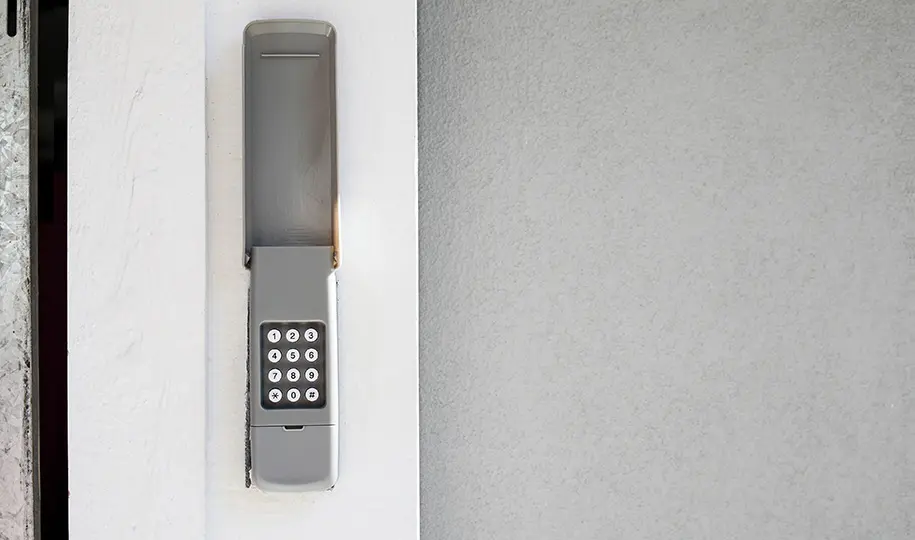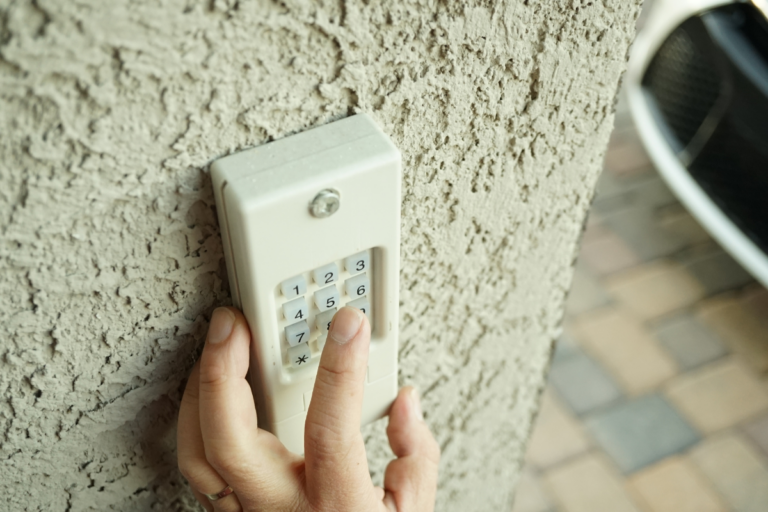
A malfunctioning garage door keypad is a common frustration for many homeowners. One of the leading causes behind unresponsive or erratic keypads is garage door keypad contact corrosion. This subtle but persistent problem can disrupt daily routines, compromise security, and lead to unnecessary expenses if not addressed promptly. Understanding what causes corrosion, how to spot it, and the best ways to prevent and fix it can save time and money.
In this article, we’ll break down the science behind corroded contacts in garage keypads, outline practical steps for cleaning and prevention, and help you decide when it’s time for a replacement. For those interested in keeping their access systems in top shape, our garage door keypad preventative maintenance resource offers additional tips.
What Causes Corrosion in Garage Door Keypad Contacts?
The contacts inside a garage door keypad are typically made from conductive metals such as copper or silver-plated alloys. Over time, these metals can react with moisture, air, and contaminants, leading to the gradual buildup of corrosion. This process is accelerated by environmental factors such as:
- Humidity: High moisture levels promote oxidation and rust formation.
- Temperature Fluctuations: Repeated cycles of heating and cooling can cause condensation inside the keypad housing.
- Salt and Pollutants: If you live near the coast or in an area with heavy road salt use, airborne particles can settle on the keypad and speed up corrosion.
- Battery Leaks: Old or damaged batteries may leak acid, which corrodes nearby metal contacts.
When corrosion forms, it creates a barrier between the metal contacts and the keypad’s circuitry. This can result in intermittent operation, stuck buttons, or a completely non-functional keypad.
Recognizing the Signs of Keypad Contact Deterioration
Spotting early symptoms of garage door keypad contact corrosion can help prevent more serious issues. Common warning signs include:
- Buttons that require extra pressure or don’t register at all
- Erratic or delayed response when entering your code
- Visible discoloration, green or white powdery residue on the contacts
- Frequent need to replace batteries with no improvement in performance
If you notice any of these issues, it’s likely time to inspect the keypad’s interior for signs of corrosion.

How to Inspect and Clean Corroded Keypad Contacts
Addressing corroded keypad contacts is often a straightforward process if caught early. Here’s a step-by-step approach:
- Power Off: Remove the keypad from its mounting and take out the batteries to avoid electrical shorts.
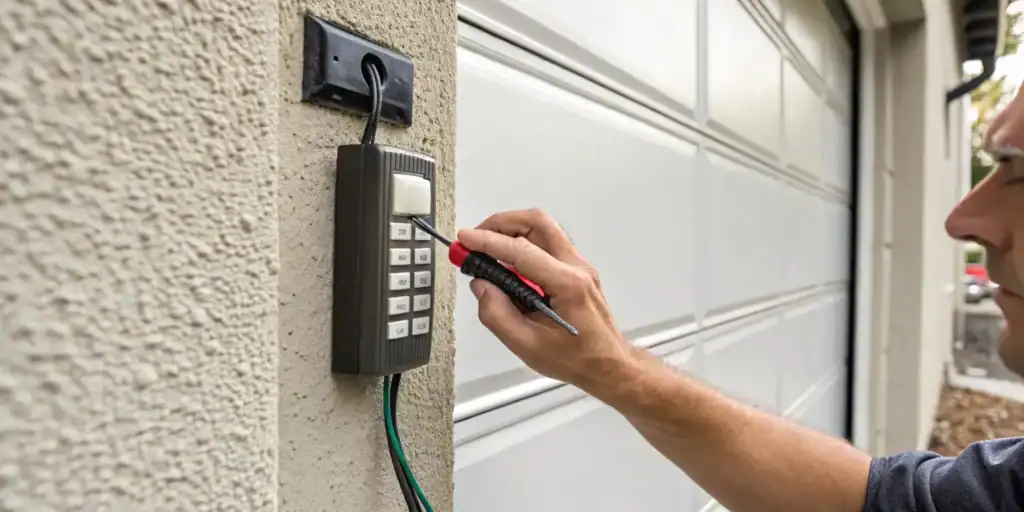
- Open the Housing: Use a screwdriver to carefully open the keypad case. Take note of how the parts fit together for reassembly.
- Inspect Contacts: Look for any signs of discoloration, powdery buildup, or pitting on the metal contacts.
- Clean Gently: Use a cotton swab dipped in isopropyl alcohol to gently rub away corrosion. For stubborn spots, a soft-bristled toothbrush can help. Avoid using water or abrasive materials.
- Dry Completely: Allow all components to dry thoroughly before reassembling and reinstalling the batteries.
For a more detailed cleaning process, refer to the cleaning garage door keypad properly guide. Regular cleaning can extend the life of your keypad and prevent recurring issues.
Prevention Tips for Avoiding Future Corrosion
Preventing garage door keypad contact corrosion is easier than dealing with repairs. Consider these practical strategies:
- Install a Weather Shield: Many keypads are designed to be weather-resistant, but adding a protective cover can further reduce moisture exposure.
- Use High-Quality Batteries: Opt for reputable brands and replace batteries before they are fully depleted to minimize leakage risk.
- Regular Maintenance: Schedule periodic inspections and cleanings, especially if your keypad is exposed to harsh weather.
- Seal Gaps: Ensure the keypad housing is properly sealed to keep out water, dust, and insects.
For a comprehensive approach, check out the garage door keypad preventative maintenance article, which covers routine care and troubleshooting.

When to Replace Instead of Repairing a Keypad
Sometimes, cleaning and maintenance are not enough. If the corrosion has caused significant pitting or the keypad continues to malfunction after cleaning, replacement may be the best option. Signs that it’s time for a new unit include:
- Multiple buttons are unresponsive even after cleaning
- Corrosion has spread to the circuit board or wiring
- The keypad housing is cracked or no longer seals properly
- Frequent failures despite new batteries and regular maintenance
For more information on costs and timing, see our guides on garage door keypad replacement cost and when to replace garage door keypad.
Understanding the Impact of Circuit Board Corrosion
In severe cases, corrosion can reach the keypad’s circuit board, causing more complex electrical issues. This may result in complete failure or unpredictable operation. If you suspect deeper electronic problems, consult a professional or review our article on garage door keypad circuit board issues for troubleshooting steps.
Additional Resources and Expert Advice
For a broader overview of keypad types, installation, and troubleshooting, the comprehensive guide to garage door opener keypads offers valuable insights. Staying informed and proactive is the best way to ensure reliable access and security for your home.
Frequently Asked Questions
How often should I check my garage door keypad for corrosion?
It’s a good idea to inspect your keypad every three to six months, especially if it’s exposed to weather. Regular checks help catch early signs of corrosion before they cause major problems.
Can I use household cleaners to remove corrosion from keypad contacts?
Avoid using general household cleaners, as they may leave residues or damage sensitive components. Isopropyl alcohol is recommended for cleaning metal contacts safely and effectively.
What if cleaning doesn’t fix my keypad?
If your keypad remains unresponsive after thorough cleaning and battery replacement, the corrosion may have caused permanent damage. In such cases, replacing the keypad is usually the most reliable solution.