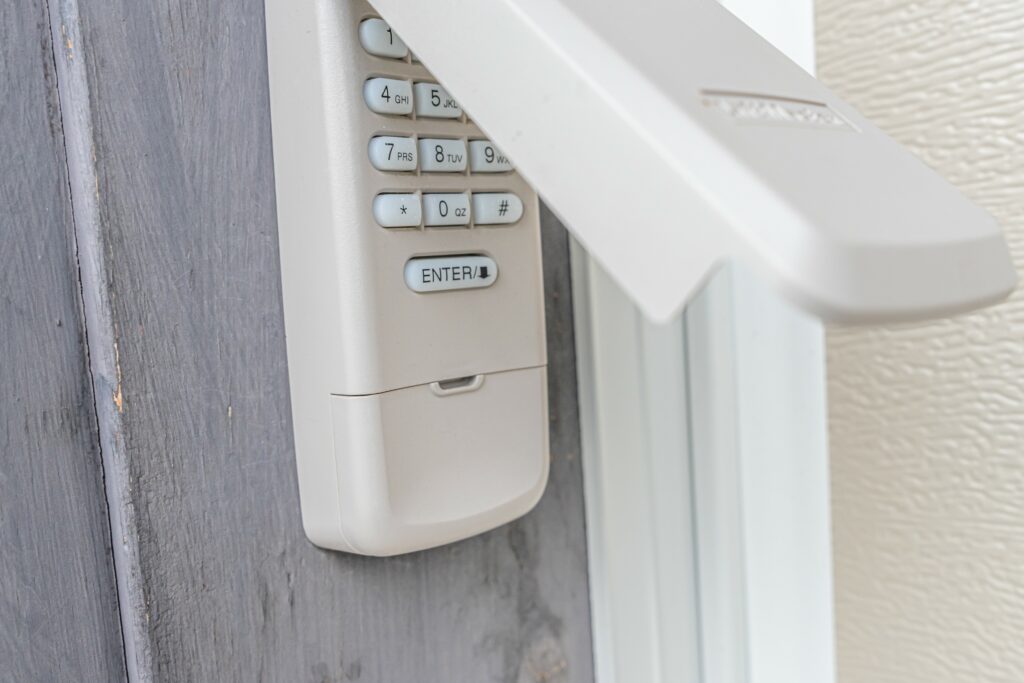
Garage door keypads offer convenient, secure access to your garage without needing a remote or key. However, like any electronic device exposed to the elements and frequent use, these keypads can develop issues over time. Knowing when to replace garage door keypad systems is essential for maintaining both security and daily convenience.
This guide will help you recognize the signs that your keypad may be failing, understand the common causes of malfunction, and decide whether repair or replacement is the best option. We’ll also share practical tips for troubleshooting, maintaining, and upgrading your entry system.
If you’re troubleshooting persistent issues, it’s also helpful to check for garage door keypad alignment issues or review garage door keypad maintenance tips to ensure you’re not overlooking a simple fix.
Common Signs Your Garage Door Keypad Needs Replacement
Recognizing the warning signs early can save you from unexpected lockouts or security risks. Here are the most frequent indicators that it’s time to consider a new keypad:
- Unresponsive buttons: If pressing the keys doesn’t trigger any response, or only works intermittently, the internal circuitry or membrane may be failing.
- Frequent code entry errors: When the keypad doesn’t recognize your code, even after careful entry, it could be due to worn-out buttons or electronic faults.
- Visible wear and tear: Faded numbers, cracked casings, or missing buttons are clear signs of physical deterioration.
- Inconsistent operation: If the system only works at certain times or under specific conditions (like after multiple tries or only in dry weather), internal components may be failing.
- Battery issues: Replacing batteries should restore function. If new batteries don’t help, or if the keypad drains batteries unusually fast, replacement is likely needed.
- Security concerns: If you suspect someone has learned your code, or the keypad has been tampered with, upgrading to a new unit is the safest option.
Typical Lifespan and Factors Affecting Durability
Most garage door keypads are designed to last between five and ten years, but several factors can shorten or extend their lifespan:
- Weather exposure: Keypads mounted outdoors are subject to rain, snow, UV rays, and temperature swings, all of which can degrade electronics and plastics.
- Usage frequency: Households that use the keypad multiple times daily will see faster wear than those using it occasionally.
- Quality of installation: Proper mounting and sealing can prevent water ingress and physical stress.
- Maintenance habits: Regular cleaning and battery changes can extend operational life. For more on this, see our garage door keypad maintenance tips.
Diagnosing Problems: Repair or Replace?
Not every keypad issue means you need a new unit. Here’s how to decide:
- Try basic troubleshooting: Replace the batteries, clean the keypad with a dry cloth, and check for visible obstructions or corrosion.
- Reset the system: Sometimes, reprogramming the keypad or resetting the opener can resolve glitches. Refer to your manufacturer’s manual for instructions.
- Check for interference: Wireless signals can be disrupted by nearby electronics or metal objects. For more, see our guide on garage door keypad RF interference.
- Inspect mounting and alignment: If the keypad is loose or misaligned, it may not function properly. Our article on garage door keypad mounting problems explains how to check and correct these issues.
If these steps don’t resolve the problem, or if the keypad is physically damaged or outdated, replacement is usually the best solution.
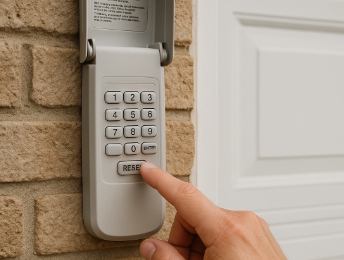
Benefits of Upgrading Your Entry System
Modern keypads offer improved security, reliability, and features compared to older models. Here’s what you gain by installing a new unit:
- Enhanced security: Newer keypads often support rolling codes and advanced encryption, making them harder to hack.
- Backlit keys: Easier to use at night or in low-light conditions.
- Weather resistance: Improved sealing and materials protect against moisture and temperature extremes.
- Multiple user codes: Some models allow you to assign temporary or unique codes for family, guests, or service providers.
- Compatibility: Upgrading can solve issues with older openers or allow integration with smart home systems. For details, check our garage door keypad opener compatibility guide.
How to Choose the Right Replacement Keypad
When selecting a new keypad, consider the following:
- Brand and model compatibility: Ensure the keypad works with your garage door opener. Consult your opener’s manual or reference compatibility charts.
- Installation requirements: Some keypads are wireless and battery-powered, while others may require wiring.
- Security features: Look for rolling code technology and lockout features after repeated incorrect entries.
- Ease of programming: Choose a model with straightforward setup and code change procedures.
- Warranty and support: Opt for reputable brands that offer good customer service and product guarantees.
For a comprehensive overview of keypad features, see this detailed guide to garage door keypads.
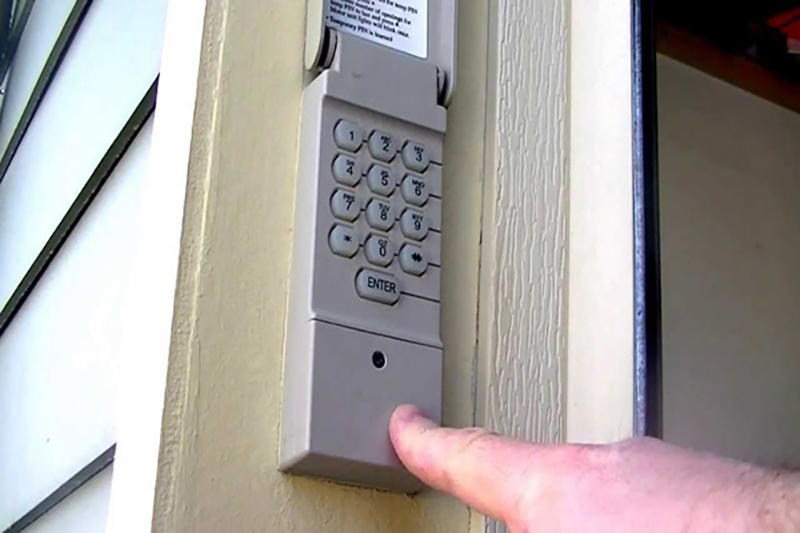
Installation Tips for New Keypads
Replacing your keypad is usually straightforward, but following these steps will ensure a smooth process:
- Remove the old keypad: Unscrew or unclip the existing unit. Dispose of batteries safely.
- Mount the new unit: Use the provided hardware and ensure the keypad is at a comfortable height and securely attached.
- Program the keypad: Follow the manufacturer’s instructions to sync with your garage door opener and set your access code.
- Test thoroughly: Check that all buttons work and the door opens and closes as expected.
- Maintain regularly: Clean the surface, replace batteries as needed, and periodically update your access code for security.
Frequently Asked Questions
How often should I replace my garage door keypad?
Most keypads last 5–10 years, but you should consider replacement sooner if you notice persistent malfunctions, visible damage, or security concerns. Regular maintenance can extend the lifespan, but electronics exposed to the elements will eventually need updating.
Can I repair a malfunctioning keypad instead of replacing it?
Minor issues like battery replacement or cleaning can sometimes restore function. However, if the keypad remains unresponsive, has physical damage, or frequently fails, replacement is usually more reliable and secure.
Will any keypad work with my garage door opener?
No, compatibility depends on your opener’s brand and model. Always check the product specifications or consult a garage door keypad opener compatibility guide before purchasing a new unit.
What security features should I look for in a new keypad?
Look for rolling code technology, lockout features after repeated incorrect entries, and the ability to easily change your access code. Some advanced models also offer temporary codes for guests or service providers.