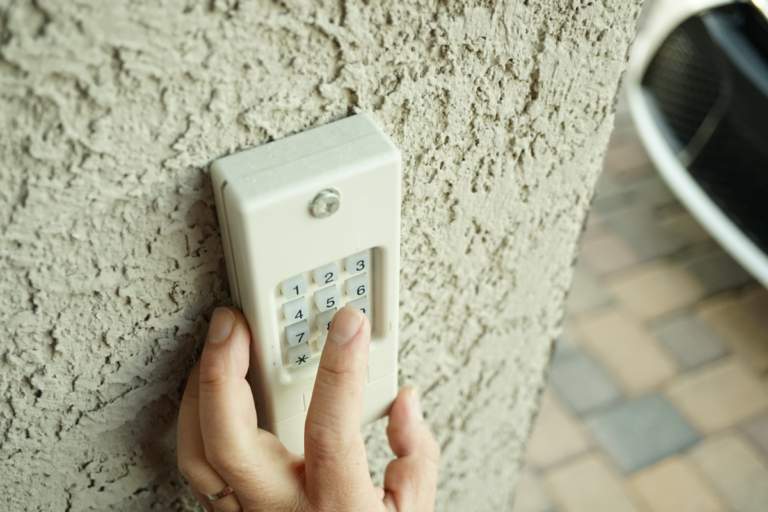
When your garage door keypad stops working or you find yourself locked out, knowing your garage door keypad emergency access options can make all the difference. Modern keypads are convenient, but they can fail due to power issues, forgotten codes, or hardware malfunctions. Understanding the available solutions helps you regain entry quickly and safely, whether you’re dealing with a dead battery, keypad malfunction, or a lost code.
In this article, we’ll break down the most reliable ways to access your garage in an emergency, discuss the pros and cons of each method, and provide practical tips to prevent future lockouts. If you’re experiencing persistent problems, such as garage door keypad power issues, it’s important to address the root cause to avoid repeat emergencies.
Common Causes of Garage Keypad Lockouts
Before exploring emergency entry methods, it’s helpful to understand why keypads fail. The most frequent reasons include:
- Dead batteries – Keypads often rely on standard batteries that can run out unexpectedly.
- Worn-out buttons – Frequent use can cause buttons to stick or stop responding.
- Electrical issues – Power surges or faulty wiring may disrupt keypad function.
- Forgotten or changed codes – If you recently changed your code and forgot it, or if someone else changed it without telling you, you may be locked out.
- Weather damage – Extreme temperatures or moisture can damage the keypad’s internal components.
If your keypad display is not lighting up, you might want to check out this guide on garage door keypad display not lighting up for more troubleshooting tips.
Manual Release: The Most Reliable Backup
Nearly all modern garage doors include a manual release mechanism, usually a red cord or handle hanging from the opener rail. This feature is designed for situations where electronic access fails. Here’s how it works:
- Locate the emergency release cord inside your garage, typically near the center of the door.
- Pull the cord down and away from the door to disengage the opener.
- Once released, you can lift the garage door manually from the inside.
Important: The manual release only works if you have another way into the garage, such as a side door. If your garage is attached and you don’t have another entry point, consider installing an emergency release kit.
Exterior Emergency Release Kits
For garages without a secondary entry, an exterior emergency release kit is a valuable solution. This kit allows you to unlock the manual release from outside using a special key. Here’s what you need to know:
- The kit is installed through a small hole in the garage door.
- It includes a lock cylinder and a cable that connects to the manual release inside.
- In an emergency, insert the key, turn it, and pull to disengage the opener from outside.
While these kits provide peace of mind, they must be installed correctly to maintain security. If you’re not comfortable installing one yourself, a professional can ensure it’s set up safely.

Resetting and Reprogramming Your Keypad
If you’re locked out due to a forgotten code or keypad malfunction, resetting the device may restore access. Most keypads have a reset button or a specific sequence for reprogramming:
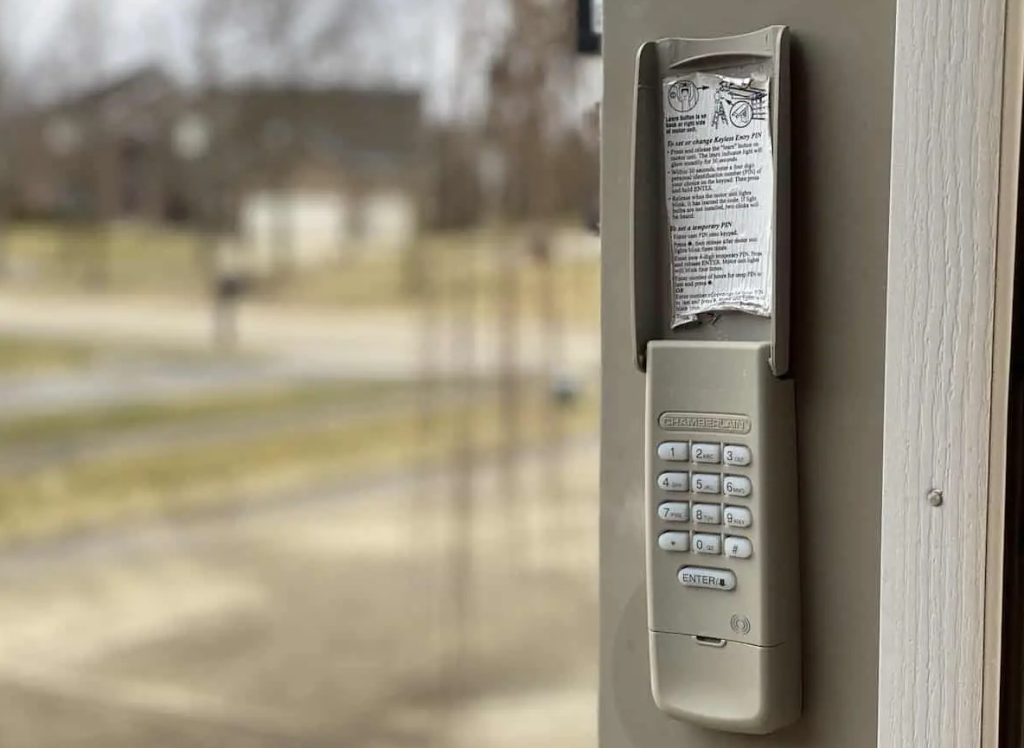
- Locate the “Learn” or “Program” button on your garage door opener motor unit.
- Press and hold the button until the indicator light blinks.
- Within 30 seconds, enter your new code on the keypad and press the “Enter” button.
- Test the new code to ensure it works.
For detailed steps, refer to your keypad’s manual or the manufacturer’s website. If the keypad still doesn’t respond, the issue could be with the backlight, contacts, or internal wiring. Guides like garage door keypad backlight not working and garage door keypad contact corrosion can help with further troubleshooting.
Using Alternative Entry Methods
If you don’t have an emergency release kit or can’t reset the keypad, consider these alternatives:
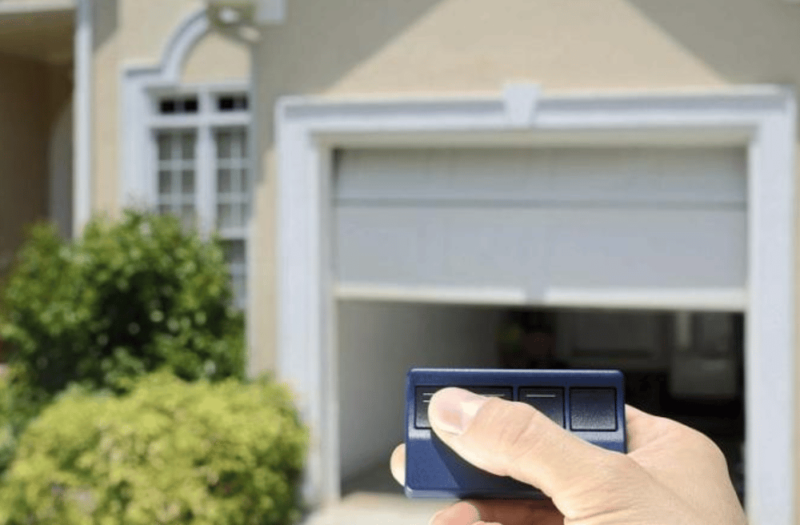
- Remote controls: If you have a remote opener in your car or home, use it to open the door.
- Smartphone apps: Many modern openers support Wi-Fi connectivity, allowing you to open the garage via a mobile app.
- Physical keys: Some garage doors have a keyed entry option, separate from the keypad.
- Contacting a professional: If all else fails, a locksmith or garage door technician can help you regain access without damaging your door.
For a deeper look at different opener technologies, see this overview of garage door opener types.

Preventing Future Lockouts
While knowing your emergency access options is essential, prevention is even better. Here are some practical tips to avoid being locked out:
- Change your keypad batteries at least once a year or when you notice slow response.
- Keep a spare remote or backup key in a secure, accessible location.
- Test your keypad and manual release regularly to ensure they’re working.
- Consider upgrading to a smart opener with app-based access for added convenience.
- If your keypad is old or unreliable, it may be time to learn when to replace a garage door keypad.
Frequently Asked Questions
What should I do if my garage keypad stops working and I have no other entry?
If you’re locked out and there’s no other way into your garage, your best option is an exterior emergency release kit. If you don’t have one installed, you may need to contact a professional locksmith or garage door technician to regain access without damaging the door.
Can I reset my garage keypad without the original code?
In most cases, you can reset the keypad by pressing the “Learn” or “Program” button on the opener motor unit and following the manufacturer’s instructions. This process allows you to set a new code even if you’ve forgotten the old one.
How do I know if my keypad needs to be replaced?
If your keypad frequently fails, buttons are unresponsive, or you notice visible damage or corrosion, it may be time for a replacement. Persistent issues after troubleshooting are a strong sign that a new device is needed.