Many homeowners rely on their garage door keypads for daily convenience and security. When these devices fail to respond, the cause is often related to garage door keypad power issues. Understanding the root causes and solutions for these problems can help you restore access quickly and prevent future disruptions.
This article explores the most common reasons for keypad malfunctions, troubleshooting steps, and preventative measures. Whether your keypad is completely unresponsive or shows intermittent problems, knowing how to address power-related faults is essential for smooth operation.
If you suspect your keypad’s power supply is at fault, it’s also helpful to learn about related concerns such as garage door keypad contact corrosion, which can sometimes mimic power failures.
Recognizing Signs of Power Failure in Garage Keypads
Before troubleshooting, it’s important to identify whether the problem is truly power-related. Some common indicators of garage door keypad power issues include:
- No lights or display on the keypad when buttons are pressed
- Keypad responds intermittently or only after multiple attempts
- Unusual beeping or flickering lights
- Complete failure to open or close the garage door, even after code entry
If your keypad exhibits these symptoms, the next step is to systematically check the most likely causes.
Common Causes of Power Problems in Garage Door Keypads
Several factors can disrupt the power supply to your garage door keypad. Understanding these can help you pinpoint the source of the malfunction:
1. Dead or Weak Batteries
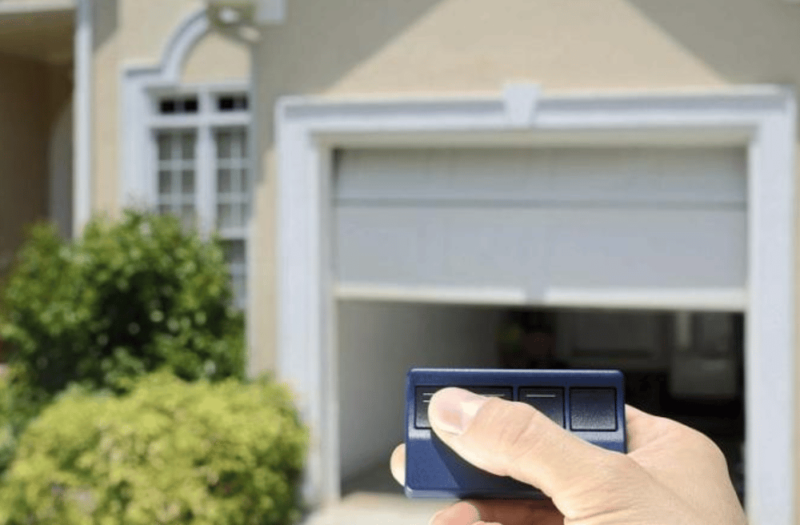
Most wireless keypads are battery-operated. Over time, batteries lose their charge or corrode, leading to garage door keypad power issues. If your keypad is unresponsive, replacing the batteries should be your first step.
2. Battery Contact Corrosion
Corrosion on the battery terminals can prevent proper electrical contact, even if the batteries are new. This is a frequent cause of power loss and can be addressed by cleaning the contacts with a small brush and a bit of vinegar or baking soda solution.
3. Faulty Wiring or Loose Connections
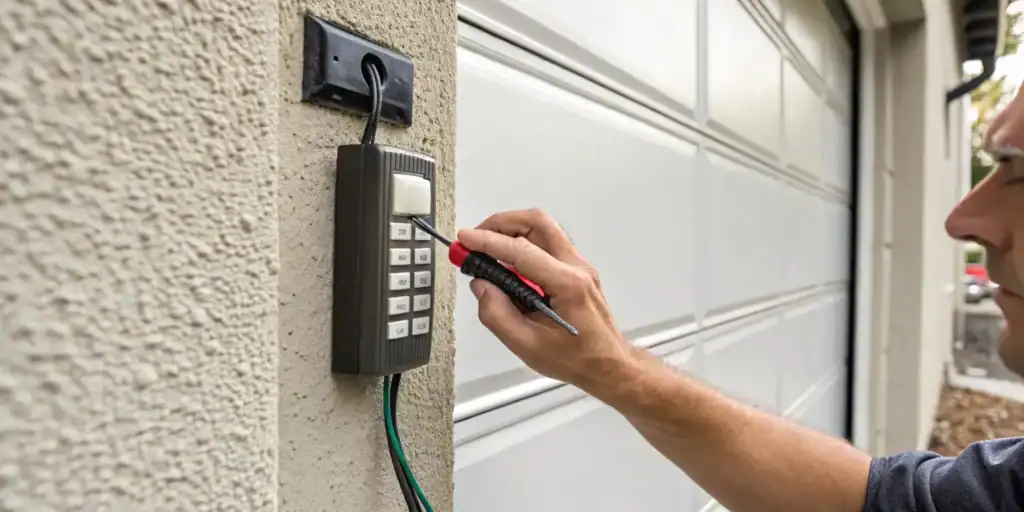
For wired keypads, issues such as loose wires, damaged cables, or poor connections can interrupt power flow. Inspect the wiring for visible damage or disconnections, especially if the keypad is mounted outdoors where weather exposure is a concern.
4. Water Damage and Environmental Factors
Exposure to rain, humidity, or extreme temperatures can damage internal circuitry or battery compartments. Moisture may cause short circuits or corrosion, both of which can result in keypad failure.
5. Internal Component Failure
Over time, electronic components inside the keypad may fail due to age, manufacturing defects, or repeated exposure to harsh conditions. In these cases, replacement is often the only solution.

Troubleshooting Steps for Power-Related Keypad Problems
If your keypad is not working, follow these steps to diagnose and resolve the issue:
- Check and Replace Batteries: Open the battery compartment and replace old batteries with fresh ones, ensuring correct polarity.
- Inspect for Corrosion: Look for white or greenish residue on the battery contacts. Clean gently if needed.
- Test the Keypad: After replacing batteries and cleaning contacts, test the keypad. If it still doesn’t work, proceed to the next step.
- Examine Wiring (for Wired Keypads): Make sure all wires are securely connected and undamaged.
- Check for Water Damage: Look for signs of moisture inside the keypad. If present, allow it to dry completely before retesting.
- Reset the Keypad: Some models have a reset button or procedure. Refer to your manufacturer’s instructions.
- Consider Replacement: If none of the above steps restore function, the keypad may need to be replaced. For guidance on timing, see when to replace garage door keypad.
Preventing Future Power Failures
Regular maintenance can significantly reduce the risk of garage door keypad power issues. Here are some practical tips:
- Replace batteries at least once a year, or when you notice decreased responsiveness.
- Inspect and clean battery contacts periodically to prevent corrosion.
- Ensure the keypad is mounted in a sheltered location to minimize exposure to rain and direct sunlight.
- Check for cracks or gaps in the keypad housing that could allow moisture inside.
- Perform routine cleaning as described in this cleaning garage door keypad properly guide.

When to Seek Professional Help
While many power-related keypad issues can be resolved with basic troubleshooting, there are situations where professional assistance is recommended:
- If you notice burnt smells, melted components, or severe corrosion inside the keypad
- When wiring repairs require electrical expertise or specialized tools
- If repeated battery replacements do not resolve the problem
- When you are unsure about the safety of DIY repairs
In these cases, contacting a qualified garage door technician ensures your system is repaired safely and effectively.
Cost Considerations for Keypad Repairs and Replacement
The cost to fix or replace a garage door keypad depends on the nature of the problem. Simple battery or cleaning fixes are inexpensive, while replacing the entire unit can vary in price. For a detailed breakdown, refer to this garage door keypad replacement cost resource.
Additional Resources and Recommendations
For more information on keypad upgrades, installation, and security, you can read this guide to garage keypads for openers from a trusted industry source.
Regular preventative care is the best way to avoid unexpected power failures. For a comprehensive checklist, see this garage door keypad preventative maintenance article.
Frequently Asked Questions
Why does my garage door keypad stop working after rain?
Moisture can seep into the keypad, causing short circuits or corrosion on the battery contacts and internal components. Ensuring your keypad is weather-sealed and mounted in a sheltered spot can help prevent this issue.
How often should I replace the batteries in my garage door keypad?
It’s best to replace the batteries at least once a year or whenever you notice reduced responsiveness. Using high-quality batteries and checking for corrosion during each replacement can extend the life of your keypad.
Can I repair a keypad that has severe corrosion or water damage?
Minor corrosion can often be cleaned, but severe damage usually requires keypad replacement. If the keypad is still under warranty or you are unsure about the extent of the damage, consult a professional before attempting repairs.