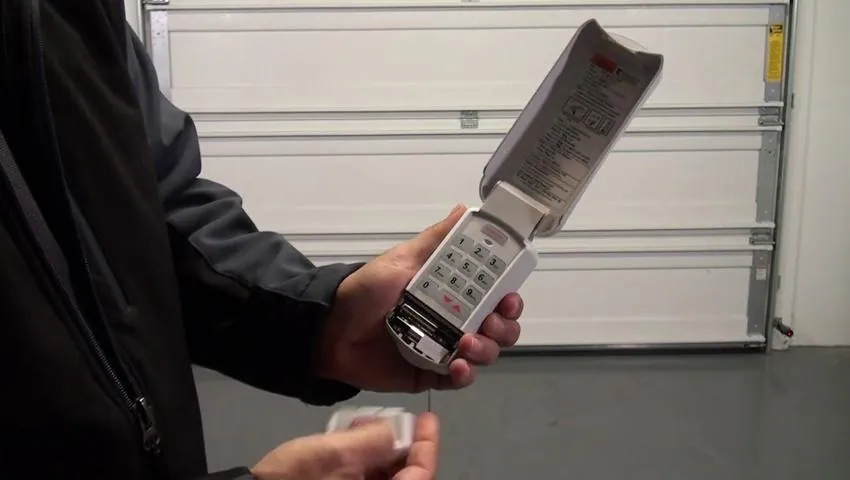
Garage door keypads have become a standard convenience for homeowners, offering easy, keyless access to the garage. However, as with any technology that controls entry to your home, these devices come with their own set of vulnerabilities. Understanding the garage door keypad security risks is essential for protecting your property and your peace of mind.
In this article, we’ll break down the most common threats associated with wireless keypads, explain how criminals exploit these weaknesses, and provide practical steps you can take to strengthen your garage’s defenses. If you’re new to these devices, you may want to learn more about what is a garage door keypad before diving into the security aspects.
As more households adopt wireless entry systems, it’s important to stay informed about the latest security challenges. Let’s explore the main risks, how to spot them, and what you can do to keep your garage—and your home—safe.
Common Threats to Garage Door Keypad Security
While garage door keypads are designed for convenience, they can also be a target for unauthorized access. Below are some of the most frequent vulnerabilities that homeowners should be aware of.
- Code Guessing and Brute Force Attacks: Simple or commonly used PINs make it easier for intruders to guess the code. Some older keypads lack lockout features, allowing repeated attempts without triggering an alarm.
- Signal Interception: Wireless keypads transmit codes to the opener. If the system uses outdated technology, such as fixed codes, attackers can use inexpensive devices to capture and replay the signal.
- Physical Tampering: Exposed or poorly mounted keypads can be pried open, allowing direct access to wiring or internal components.
- Default Factory Codes: Many keypads come with a preset code that homeowners forget to change, making unauthorized entry much easier.
If you’ve ever experienced issues with your keypad not functioning correctly, it may be a sign of tampering or technical problems. For troubleshooting, see this guide on garage door keypad not responding.
How Criminals Exploit Wireless Keypads
Understanding the methods used by intruders can help you better protect your home. Here are some of the most common tactics:
- Code Grabbing Devices: Some criminals use radio frequency scanners to intercept the signal sent from your keypad to the opener. If your system uses a fixed code, this method is especially effective.
- Replay Attacks: With the right equipment, an attacker can record your keypad’s transmission and replay it later to open your garage.
- Manual Code Entry: If your PIN is simple (like 1234 or 0000), it’s much easier for someone to guess it through trial and error.
- Physical Access: Some keypads are not weatherproof or tamper-resistant, making it possible for someone to open the device and manipulate the wiring.
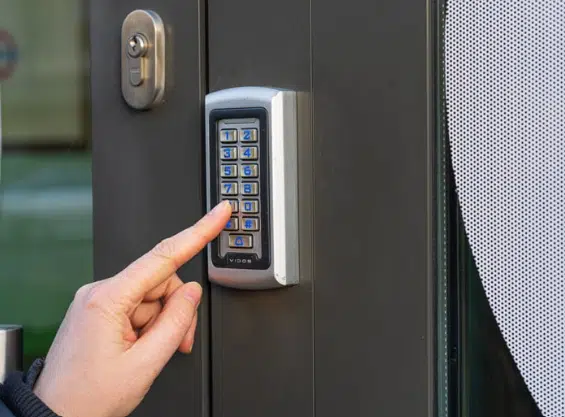
For a deeper look at how these devices function and why security matters, you can explore how garage door keypads work.
Modern Security Features and Their Limitations
Many newer keypads offer enhanced security, but no system is completely foolproof. Here are some of the improvements and what you should still watch out for:
- Rolling Code Technology: This feature changes the code after each use, making intercepted signals useless. However, not all models have this protection, and some older units are still in use.
- Lockout Mechanisms: After a certain number of incorrect attempts, the keypad may lock for a period of time. While this helps prevent brute force attacks, it can also be inconvenient if you forget your code.
- Weatherproof and Tamper-Resistant Designs: Modern keypads are built to withstand the elements and resist tampering, but improper installation can still leave them vulnerable.
- Smartphone Integration: Some systems now allow you to control your garage door via an app, adding convenience but also introducing new digital risks if your phone or account is compromised.
If you’re considering an upgrade, check out this FAQ on garage door keypads for more details about compatibility and security features.
Best Practices to Reduce Garage Door Keypad Security Risks
While no system is invulnerable, you can take several steps to minimize the chances of unauthorized access:
- Change Default Codes Immediately: Always set a unique PIN as soon as you install your keypad.
- Choose a Strong Code: Avoid simple or easily guessed combinations. Use a mix of numbers that aren’t related to your address, phone number, or birthdays.
- Update to Rolling Code Technology: If your current system uses a fixed code, consider upgrading to a model with rolling code encryption.
- Inspect and Maintain Regularly: Check your keypad for signs of tampering or damage. Replace batteries and clean the unit to ensure it works properly.
- Limit Sharing: Only share your code with trusted family members or service providers, and change it if you suspect it’s been compromised.
- Secure Physical Access: Install the keypad in a visible, well-lit area and ensure it’s mounted securely to deter tampering.
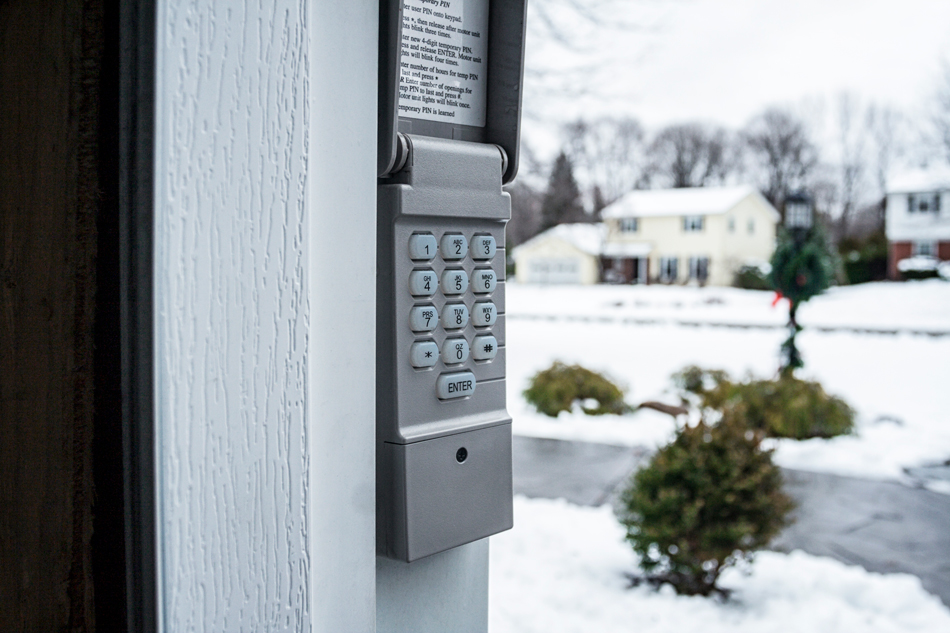
If you run into technical issues or suspect your keypad has been compromised, you may find helpful advice in this article on garage door keypad repair explained.
When to Upgrade or Replace Your Keypad
Even with the best practices, older keypads may not offer adequate protection against modern threats. Consider replacing your device if:
- It uses a fixed code instead of rolling code encryption.
- There are visible signs of wear, damage, or tampering.
- The keypad is not weatherproof or lacks tamper resistance.
- You’ve experienced unexplained malfunctions or security incidents.
Upgrading to a newer model with advanced security features can provide greater peace of mind and convenience. For an overview of the basics and benefits, see garage door keypad explained.
Frequently Asked Questions
Are wireless garage door keypads safe to use?
Most modern wireless keypads are safe when installed and used correctly, especially those with rolling code technology and lockout features. However, older models or those with default codes can be vulnerable to unauthorized access.
How can I tell if my keypad uses rolling code technology?
Check your device’s manual or manufacturer’s website. Rolling code systems are often advertised as “Security+,” “Intellicode,” or similar. If you’re unsure, contact the manufacturer or a professional installer for confirmation.
What should I do if I suspect someone knows my keypad code?
Change your PIN immediately and inspect the keypad for signs of tampering. If you notice any suspicious activity, consider upgrading your system and consult a security professional.
Can I use my smartphone to control my garage door securely?
Many newer openers offer smartphone integration, which can be secure if you use strong passwords and enable two-factor authentication. Always keep your app and phone’s operating system up to date to minimize risks.