Proper maintenance of your garage door is essential for smooth operation and longevity, especially when it comes to the rollers. Many modern garage doors use plastic rollers, which require specific care to avoid premature wear or damage. Selecting the right lubricant and understanding how and when to apply it can make a significant difference in performance and safety. This article explores the best options for lubricating plastic rollers, compares popular lubricant types, and highlights important safety and maintenance considerations.
Why Lubrication Matters for Plastic Garage Door Rollers
Lubricating your garage door components, particularly the rollers, is crucial for reducing friction and noise, preventing rust, and ensuring the door moves smoothly along its tracks. Plastic rollers are commonly chosen for their quiet operation and resistance to corrosion, but they still benefit from regular lubrication. Without proper care, even plastic rollers can develop squeaks, stickiness, or wear that leads to uneven movement and potential damage to the door system.
Using the right garage door lubricant helps maintain the integrity of the rollers, minimizes strain on the opener, and extends the lifespan of the entire mechanism. Regular maintenance also reduces the risk of sudden malfunctions that could pose safety hazards or require costly repairs.
Types of Lubricants Suitable for Plastic Rollers
Choosing the correct lubricant for plastic rollers is not as straightforward as picking any product off the shelf. The material of the roller plays a significant role in determining which type of lubricant is most effective and safe. The two most common options are silicone-based lubricants and lithium grease, each with distinct properties.
Silicone-Based Lubricants
Silicone lubricants are often recommended for plastic rollers because they provide a thin, non-greasy layer that reduces friction without causing the plastic to degrade. They are water-resistant, do not attract much dust or dirt, and remain effective across a wide range of temperatures. Silicone sprays are easy to apply and penetrate tight spaces, making them a practical choice for garage door maintenance.
- Pros:
- Safe for most plastics
- Repels moisture
- Does not attract dirt
- Easy to apply
- Cons:
- May require more frequent application than heavier greases
- Some formulas can be less durable under heavy load
Lithium-Based Greases
Lithium grease is another popular option for garage door components. It is thicker than silicone spray and offers long-lasting lubrication, making it suitable for metal parts exposed to high pressure. However, not all lithium greases are compatible with plastic. Some formulations can cause plastic to swell or degrade over time. If you choose a lithium-based product, ensure it is labeled as safe for plastics or specifically designed for use with plastic rollers.
- Pros:
- Long-lasting lubrication
- Excellent for metal-to-metal contact
- Resistant to water and heat
- Cons:
- Not all types are plastic-safe
- Can attract more dirt and debris
- Messier to apply than silicone spray
Other Lubricant Types to Avoid
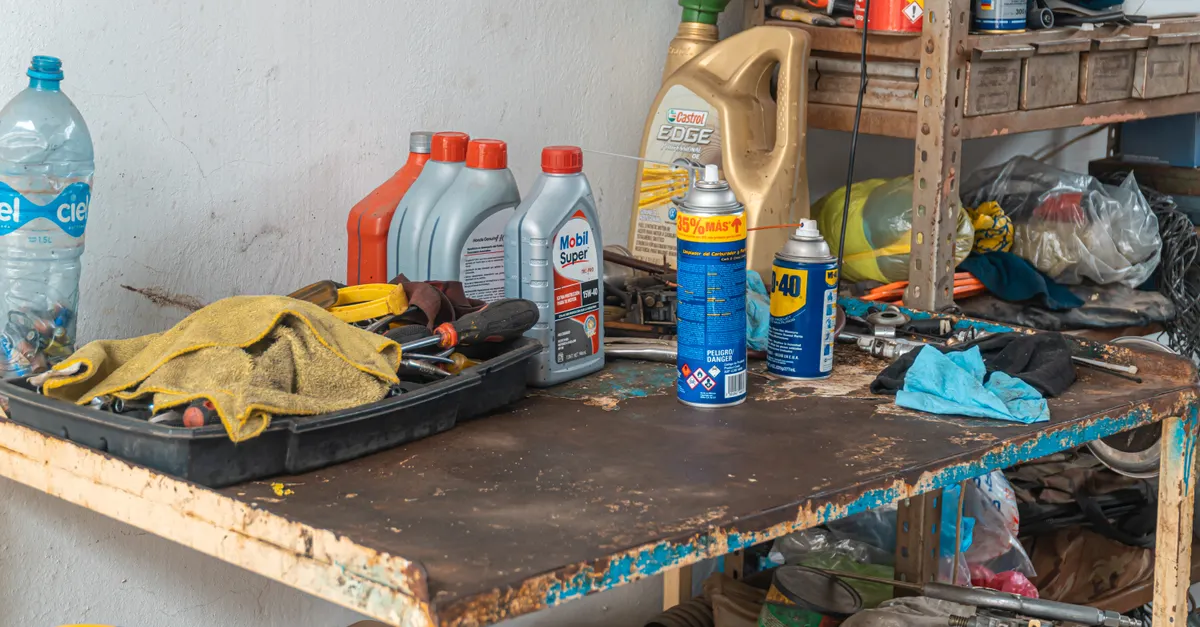
Products like WD-40 are often mistaken for lubricants but are primarily water-displacing sprays. While they can temporarily reduce squeaks, they do not provide lasting lubrication and may even dry out plastic components over time. Avoid using general-purpose oils or greases that are not specifically formulated for garage door use, as they can damage plastic rollers or cause buildup that interferes with smooth operation.
Comparing Silicone and Lithium Lubricants for Plastic Rollers
When deciding between silicone lubricant and lithium grease for plastic rollers, consider the following:
| Feature | Silicone Lubricant | Lithium Grease (Plastic-Safe) |
|---|---|---|
| Compatibility with Plastic | Generally safe | Only if labeled plastic-safe |
| Ease of Application | Spray-on, easy to reach tight spots | Thicker, may require manual spreading |
| Longevity | May need more frequent reapplication | Long-lasting |
| Attracts Dirt | Less likely | More likely |
| Noise Reduction | Effective | Effective |
For most homeowners, a high-quality silicone garage door lubricant is the safest and most convenient choice for plastic rollers. If you prefer lithium grease, double-check that it is specifically labeled as safe for use with plastics.
How to Apply Lubricant to Plastic Garage Door Rollers
Applying lubricant to your garage door’s plastic rollers can help maintain smooth operation, but safety should always come first. Before starting, ensure the door is closed and disconnected from the automatic opener to prevent accidental movement. Wear gloves and eye protection, and avoid placing your hands near moving parts.
While this guide focuses on understanding the right products and general application principles, detailed step-by-step repair or maintenance procedures should be left to professionals if you are unsure or uncomfortable with any part of the process. If you do proceed, use a targeted spray or applicator to direct the lubricant onto the roller’s bearing area, avoiding excess application that could drip onto the door or floor.
Most manufacturers recommend lubricating garage door rollers every six months to a year, depending on usage and environmental conditions. However, always consult your garage door’s manual or a professional technician for specific guidance related to your door model and roller type.
Some popular products for this task include DURA-LIFT Eco-Stream Pro Lube and B’laster Garage Door Lubricant, both of which offer formulations suitable for plastic rollers. For more specialized needs, such as commercial settings, see this overview of garage door lubricant for commercial use.
Maintenance Tips and Common Mistakes to Avoid
Maintaining your garage door’s plastic rollers is about more than just applying lubricant. Here are some practical tips and pitfalls to watch out for:
- Do not over-lubricate: Excess lubricant can attract dust and debris, leading to buildup that impairs roller movement.
- Use the right product: Always choose a lubricant that is specifically safe for plastics. Avoid generic oils or greases that may degrade the roller material.
- Inspect regularly: Check rollers and tracks for signs of wear, cracks, or buildup. Address issues promptly to prevent further damage.
- Avoid DIY repairs beyond lubrication: If you notice unusual noises, jerky movement, or visible damage, consult a professional rather than attempting complex repairs yourself.
By following these guidelines, you can help ensure your garage door operates quietly and efficiently, while minimizing the risk of damage or safety hazards.

Conclusion and Safety Considerations
Choosing the correct garage door lubricant for plastic rollers is essential for maintaining smooth, quiet, and safe operation. Silicone-based sprays are generally the best option for plastic components, while certain lithium greases can also be used if they are clearly labeled as plastic-safe. Regular lubrication, combined with routine inspection and proper application, will extend the life of your rollers and reduce the risk of unexpected problems.
Always prioritize safety when working around garage doors. If you are unsure about the right lubricant, how to apply it, or notice any issues beyond basic maintenance, seek help from a qualified garage door technician. Proper care and professional advice are the best ways to keep your garage door running reliably for years to come.
Frequently Asked Questions
What are the best lubricants for garage door plastic rollers?
The most recommended options are silicone-based lubricants designed for garage doors, as they are safe for plastic and provide effective, long-lasting lubrication. Some plastic-safe lithium greases are also suitable, but always check the product label for compatibility with plastics.
How often should garage door rollers be lubricated?
For most residential garage doors, lubricating the rollers every six to twelve months is sufficient. If your garage door is used frequently or exposed to harsh conditions, more frequent maintenance may be necessary. Always refer to your door’s manual or consult a professional for specific recommendations.
Are there any specific brands recommended for lubricating plastic rollers?
Brands such as DURA-LIFT Eco-Stream Pro Lube and B’laster Garage Door Lubricant offer products suitable for plastic rollers. When selecting a lubricant, prioritize those labeled for garage door use and ensure they are safe for plastic components.