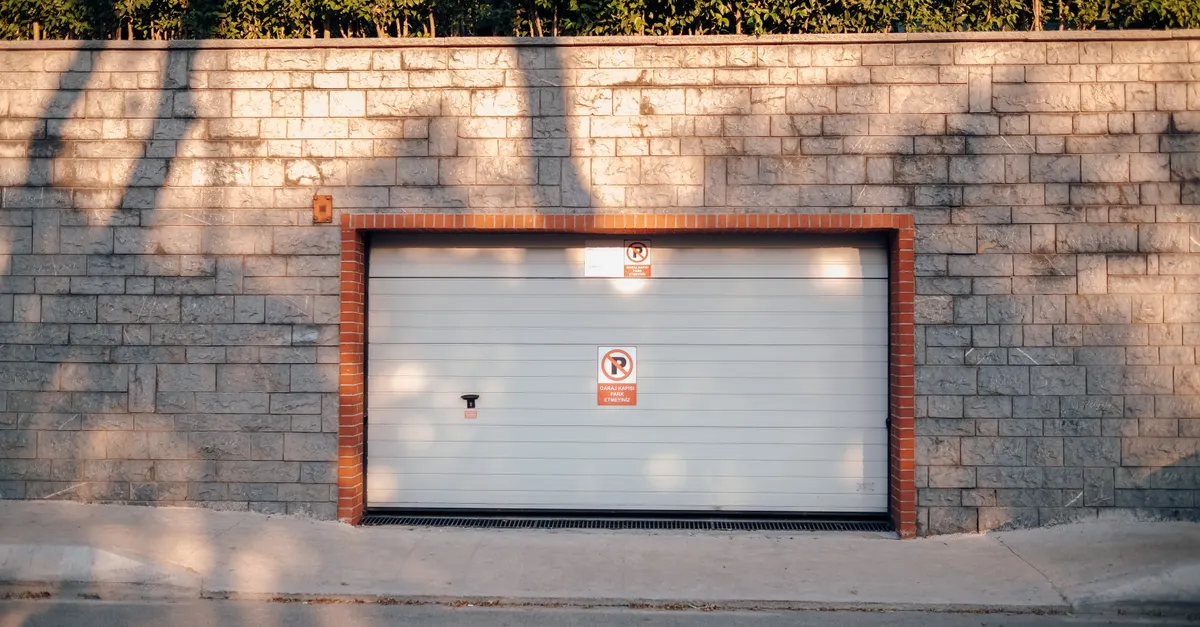
A garage door that refuses to open while the motor hums or runs can be both confusing and frustrating. This situation often leaves homeowners wondering whether the problem is minor or if it signals a more serious issue. Understanding the possible causes, knowing how to safely inspect the system, and recognizing when to call a professional are all crucial steps. This guide will walk you through the most common reasons for a garage door not opening but motor running, highlight essential safety precautions, and help you determine the right time to seek expert assistance.

Common Causes of Garage Door Malfunction
When you notice the garage door opener motor running but the door itself remains stationary, several mechanical issues could be at play. According to industry sources, the most frequent reasons include a disengaged door or a problem within the motor assembly itself.
- Disengaged Door or Manual Release: Most garage doors have a manual release cord—typically a red rope hanging from the opener rail. If this cord has been pulled, intentionally or accidentally, the opener will run but the door will not move because it is disconnected from the drive mechanism.
- Broken or Worn Gears: Inside the opener, plastic gears can wear out or break over time. When this happens, the motor may sound like it is working, but the gears cannot transfer power to the door.
- Drive System Failures: Chain, belt, or screw drive systems can slip, break, or become misaligned. If the drive system is compromised, the motor will operate but the door will remain stuck.
- Obstructions or Track Issues: Physical blockages in the tracks or a bent track can prevent the door from moving, even if the opener is functioning.
- Limit Switch or Sensor Problems: If the opener’s limit switches are set incorrectly or if safety sensors are blocked or misaligned, the opener may not allow the door to move.
Identifying the exact cause often requires a careful visual inspection. However, due to the risks involved with moving parts and electrical components, it is important to approach any troubleshooting with caution.
Safety Precautions for Troubleshooting
Before attempting any inspection or troubleshooting, prioritize your safety. Garage doors are heavy, and their components—especially springs and cables—are under significant tension. Mishandling these parts can result in serious injury. Industry experts strongly advise against DIY repairs involving electrical wiring or tensioned parts.
- Disconnect Power: Always unplug the opener before inspecting or touching any part of the system. This reduces the risk of accidental activation or electrical shock.
- Avoid Touching Springs and Cables: Never attempt to adjust or repair torsion springs or cables yourself. These components store enough energy to cause severe injury.
- Use the Manual Release Cord Safely: If you need to manually open or close the door, pull the manual release cord only when the door is fully closed. Attempting this when the door is open can cause it to slam shut unexpectedly.
- Inspect from a Safe Distance: Visually check for obvious issues like disconnected parts, broken gears, or obstructions, but do not attempt to force any component back into place.
- Keep Children and Pets Away: Ensure that the area is clear of bystanders during any inspection or manual operation.
If you notice signs of wear, damage, or if the problem involves any electrical or tensioned component, it is safest to contact a qualified technician. For more information on related safety issues, you might find the article on how to troubleshoot garage door lubricant issues helpful, especially if you suspect lubrication problems are contributing to the malfunction.
Recognizing When Professional Help Is Needed
While some minor issues—such as clearing debris from tracks—can be handled safely by homeowners, most mechanical or electrical problems with a garage door not opening but motor running require professional attention. Here are some clear signs that it’s time to call a garage door technician:
- Broken Gears or Drive Components: If you see plastic shavings, hear grinding noises, or notice the drive chain/belt is loose or broken, professional repair is necessary.
- Persistent Disconnection: If the door remains disengaged from the opener despite attempts to reattach it, there may be an underlying mechanical fault.
- Electrical Issues: Flickering lights, unresponsive controls, or tripped circuit breakers indicate problems that should only be addressed by a trained technician.
- Spring or Cable Damage: Any visible damage to springs or cables is a high-risk situation. Do not attempt to fix or even touch these components.
- Repeated Malfunctions: If the problem recurs after basic troubleshooting, ongoing use could worsen the damage or create a safety hazard.
Attempting to repair or adjust electrical wiring and moving parts under tension is dangerous, as highlighted by industry guidance. Professional technicians have the tools and expertise to safely diagnose and resolve these issues, ensuring both your safety and the reliable operation of your garage door.
How to Manually Operate Your Garage Door Safely
If you need to access your garage before a technician arrives, you can use the manual release cord to disengage the opener and operate the door by hand. Always follow these safety tips:
- Ensure the door is fully closed before pulling the release cord. This prevents the door from falling unexpectedly.
- Once disengaged, lift the door slowly and steadily. If it feels unusually heavy or does not move smoothly, stop immediately and wait for professional help.
- Do not attempt to force the door open or closed if it is stuck. This could cause further damage or injury.
If you notice resistance or grinding noises, avoid further attempts and consult a technician. Sometimes, a lack of smooth movement can be related to lubrication issues, which are discussed in detail in resources like the one on garage door lubricant troubleshooting.
FAQ
What are the most common reasons for a garage door not opening even though the motor is running?
The most frequent causes include a disengaged door (often due to the manual release cord being pulled), broken or worn gears inside the opener, drive system failures, or obstructions in the tracks. Electrical or sensor issues can also prevent the door from moving.
How can I tell if the motor or gears are broken?
Signs of gear or motor failure include the opener making noise without moving the door, visible plastic shavings near the opener, or the drive chain/belt moving but not engaging the door. Grinding or clicking sounds are also indicators of internal damage.
Is it safe to try to fix a garage door opener myself?
It is generally not safe to attempt repairs involving electrical wiring, springs, or cables due to the risk of shock or injury from tensioned parts. Homeowners can safely inspect for obvious obstructions or use the manual release, but repairs should be left to professionals.
Conclusion
Dealing with a garage door not opening but motor running can be challenging, but understanding the likely causes and prioritizing safety can help you respond appropriately. Always inspect visually before attempting any action, avoid touching tensioned or electrical components, and do not hesitate to call a professional if you suspect a mechanical or electrical fault. Your safety and the proper functioning of your garage door are best ensured by expert intervention when in doubt.