Garage door sensors are essential safety features, but there are times when you may need to temporarily override them. Whether you’re troubleshooting a malfunction, performing maintenance, or dealing with a persistent false alarm, understanding how to safely work around these sensors is crucial. This guide to bypass garage door sensors safely covers the practical steps, safety considerations, and best practices for handling sensor issues without compromising your security or the integrity of your garage door system.
Before attempting any bypass, it’s important to diagnose the root cause of the problem. Sometimes, what appears to be a sensor failure is actually a minor alignment or cleaning issue. For a detailed look at common sensor problems, check out this resource on signs of misaligned garage door sensors.
Understanding Garage Door Sensors and Their Role
Garage door sensors are designed to prevent accidents by detecting obstacles in the path of the door. They typically use infrared beams to sense if something is blocking the door’s movement. If the beam is interrupted, the door will stop closing and reverse direction. This safety mechanism helps protect children, pets, and property from injury or damage.
However, sensors can sometimes malfunction due to dirt, misalignment, or wiring issues. In these cases, the door may refuse to close even when there’s nothing in its path. Before considering a bypass, always try basic troubleshooting steps, such as cleaning the sensor lenses or realigning them. You can find a comprehensive walkthrough in this article on how to troubleshoot garage door sensor lights.
When Is It Safe to Override Garage Door Sensors?
Overriding the safety sensors should only be done when absolutely necessary and for short periods. Typical scenarios include:
- Testing the door’s operation during repairs or maintenance
- Dealing with persistent false alarms that prevent the door from closing
- Emergencies where you need to secure your garage quickly
Never make a bypass permanent. The sensors are there for your protection, and disabling them long-term can create serious safety risks.
Step-by-Step Instructions: How to Temporarily Bypass Garage Door Sensors
If you’ve exhausted troubleshooting options and still need to override the sensors, follow these steps carefully:
- Disconnect the Opener: Unplug the garage door opener from its power source to prevent accidental activation while you work.
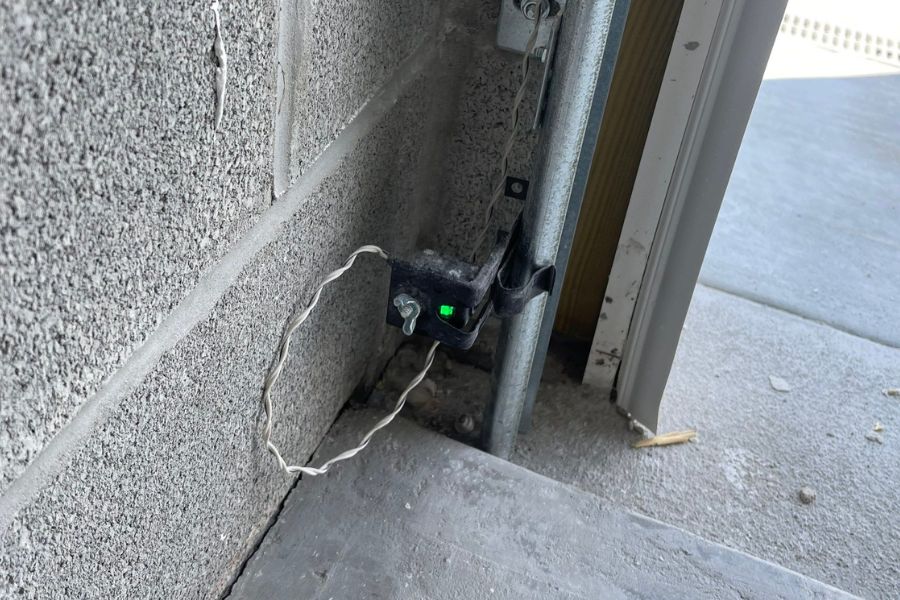
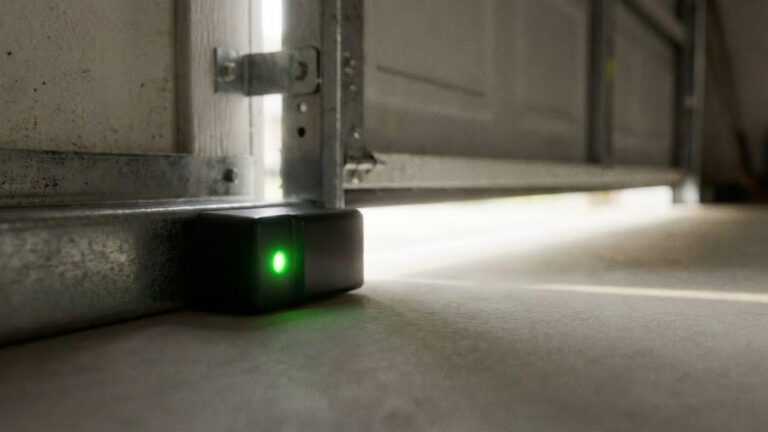
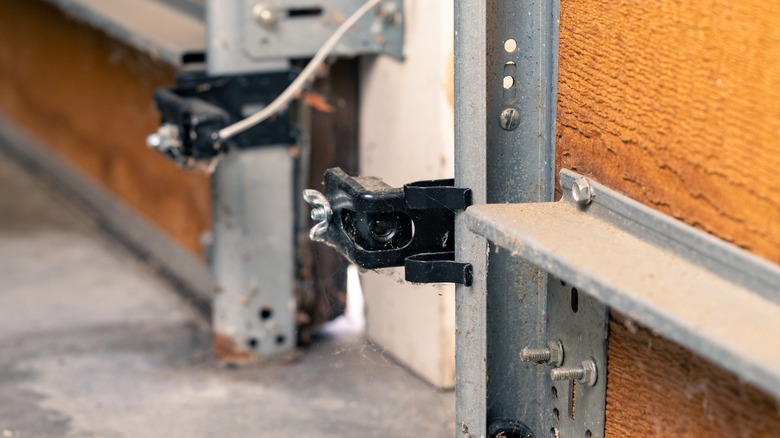
- Locate the Sensors: Find the two small sensor units mounted near the bottom of the door tracks, typically four to six inches above the ground.
- Check for Obstructions: Remove any visible debris or cobwebs that may be blocking the sensor lenses.
- Test the Manual Release: Pull the emergency release cord (usually a red handle) to disengage the opener and operate the door manually.
- Temporary Bypass: If you must use the opener, some models allow you to press and hold the wall-mounted control button until the door closes completely. This overrides the sensor only while the button is held down.
- Restore Normal Operation: Once your task is complete, reconnect the opener and ensure the sensors are functioning before resuming regular use.
Common Mistakes to Avoid When Working Around Sensors
While bypassing garage door sensors can be necessary in certain situations, there are several pitfalls to avoid:
- Leaving Sensors Disabled: Never leave the sensors bypassed after your immediate need is resolved. Restore them to working order as soon as possible.
- Ignoring Sensor Alignment: Many sensor issues are caused by misalignment. Refer to this helpful guide on how to clean garage door sensor lenses for tips on maintaining clear and properly aligned sensors.
- Bypassing for Convenience: Don’t use a bypass as a shortcut for regular operation. The safety risks far outweigh any temporary convenience.
- Forgetting to Test: After any adjustment or bypass, always test the door’s safety features to ensure everything is functioning correctly.
How to Identify Sensor Issues Before Attempting a Bypass
It’s important to confirm that the sensors are truly at fault before proceeding with any override. Here are a few signs that indicate a sensor problem:
- The garage door reverses immediately after touching the floor
- Indicator lights on the sensors are blinking or off
- The door only closes when you hold down the wall button
- There are visible obstructions or dirt on the sensor lenses
For more detailed testing methods, see this article on how to tell if garage door sensor is bad.
Safety Tips for Handling Garage Door Sensors
When dealing with garage door sensors, always prioritize safety. Here are some key tips:
- Unplug the opener before working on any electrical components
- Keep children and pets away from the garage door during maintenance
- Wear gloves and safety glasses if handling wiring or hardware
- Never attempt permanent rewiring or removal of safety sensors
Understanding Sensor Light Indicators
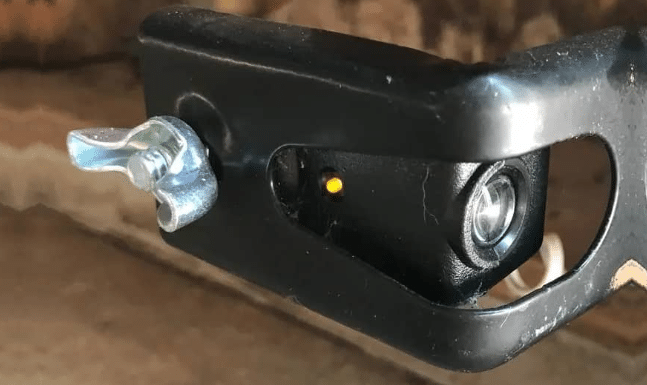
Many garage door sensors have indicator lights that help diagnose issues. A steady green or red light usually means the sensor is aligned and functioning. Blinking or no light can signal a problem. For a deeper explanation of what different sensor light colors mean and how to respond, visit this comprehensive guide to garage door sensor light colors.
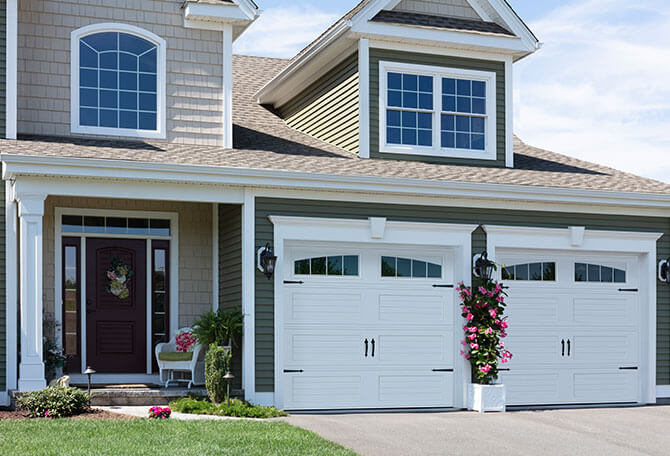
Maintaining Garage Door Security After a Bypass
Once you’ve completed any necessary work, it’s vital to restore all safety features. Test the sensors by placing an object in the door’s path and attempting to close it. The door should stop and reverse. For tips on keeping your garage secure, see these garage door keypad security best practices.
Frequently Asked Questions
Is it legal to bypass garage door sensors?
Temporarily overriding sensors for maintenance or troubleshooting is generally allowed, but making a bypass permanent can violate safety codes and local regulations. Always restore sensors after your work is done.
Can I bypass the sensors if my garage door won’t close?
You can use the wall control button (holding it down) to temporarily override the sensors, but this should only be done after confirming there are no obstructions and only for immediate needs. Address the underlying sensor issue as soon as possible.
What should I do if cleaning and realigning the sensors doesn’t fix the problem?
If basic troubleshooting fails, inspect the wiring and check for damage. If you’re unable to resolve the issue, consult a professional garage door technician to ensure safe and proper repair.
How often should I check my garage door sensors?
It’s a good practice to inspect and clean your sensors every few months, especially if your garage is exposed to dust, debris, or frequent use.
Conclusion
Bypassing garage door sensors should always be a last resort and done with caution. By following the steps and safety tips outlined in this article, you can address sensor issues efficiently while maintaining the safety and security of your home. Remember to restore all safety features after any maintenance or troubleshooting, and consult a professional if you encounter persistent problems.