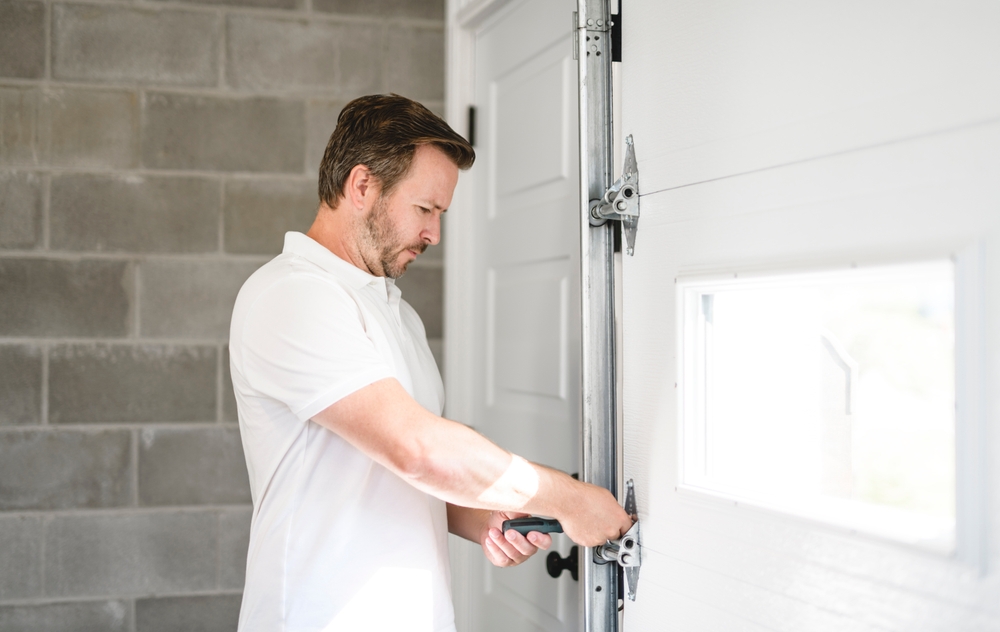
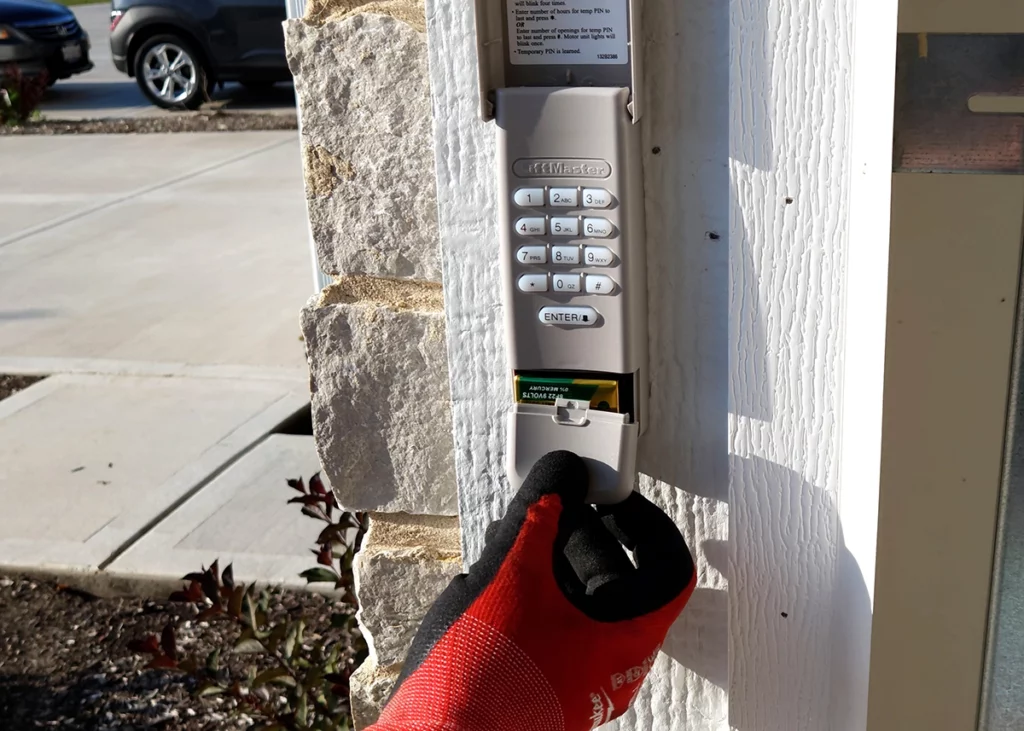
Garage door sensors are essential for safe and reliable operation. Over time, dust, dirt, and cobwebs can accumulate on the sensor lenses, causing signal interruptions and making your garage door unreliable or even unsafe. Regular maintenance, especially keeping the lenses clean, ensures your door opens and closes as intended. This guide explains the most effective way to remove grime from your garage door sensors, helping you restore optimal performance and avoid unnecessary repairs.
If you’re also interested in understanding related garage door technology, such as garage door keypad long term reliability, you’ll find that regular maintenance is a common theme for all components.
Why Clean Garage Door Sensors Matter
The photo-eye sensors near the base of your garage door track are designed to detect obstacles and prevent accidents. When the lenses are dirty, the infrared beam can be disrupted, causing the door to reverse unexpectedly or refuse to close. This not only leads to inconvenience but can also compromise the safety of your household.
Common issues caused by dirty or misaligned sensors include:
- Garage door won’t close or reverses immediately after starting to close
- Flashing sensor indicator lights
- Intermittent operation or unresponsive controls
By keeping the sensor lenses clean, you maintain a strong signal and ensure the safety features work as intended.
Tools and Materials Needed for Sensor Lens Cleaning
Before you start, gather the following supplies:
- Soft, lint-free cloth (microfiber is ideal)
- Mild household cleaner or glass cleaner (ammonia-free)
- Small brush or compressed air (for stubborn debris)
- Dry towel
- Optional: Screwdriver (if you need to adjust or realign the sensors)
Avoid using abrasive materials or harsh chemicals, as these can scratch the lens or damage the sensor housing.
Step-by-Step Instructions for Cleaning Garage Door Sensor Lenses
Follow these steps to ensure your garage door sensors are free from dirt and able to transmit a clear signal:
- Disconnect Power: For safety, unplug your garage door opener or switch off the circuit breaker before working near the sensors.
- Locate the Sensors: The sensors are typically mounted on either side of the garage door, 4–6 inches above the ground. Each sensor will have a small lens facing the other.
- Remove Loose Debris: Use a small brush or a can of compressed air to gently clear away cobwebs, dust, and dirt from around the sensors.
- Wipe the Lenses: Lightly dampen your microfiber cloth with an ammonia-free cleaner or plain water. Gently wipe the sensor lens in a circular motion, being careful not to scratch the surface.
- Dry Thoroughly: Use a dry towel to remove any remaining moisture from the lens.
- Check Alignment: After cleaning, ensure both sensors are facing each other directly. Misalignment can also cause signal issues.
- Restore Power and Test: Plug the opener back in or turn the breaker on. Test your garage door to confirm smooth operation.
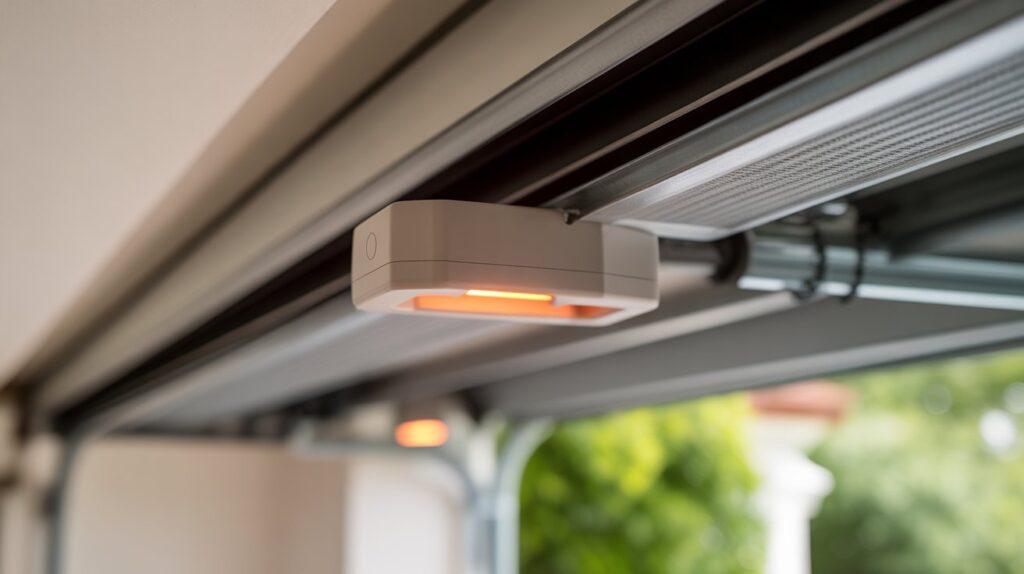
Tips for Maintaining Garage Door Sensor Performance
Regular cleaning is the best way to prevent sensor issues, but there are a few additional steps you can take to keep your system working reliably:
- Inspect for Obstructions: Make sure nothing is blocking the path between the sensors, such as stored items, trash cans, or toys.
- Check Wiring: Examine the wires leading to each sensor for signs of wear, corrosion, or loose connections.
- Monitor Indicator Lights: Most sensors have LED lights that indicate alignment and power. If the light is off or blinking, consult your opener’s manual for troubleshooting.
- Schedule Periodic Cleaning: Set a reminder to clean the lenses every few months, or more often if your garage is particularly dusty or exposed to the elements.
For more in-depth troubleshooting advice, visit this comprehensive guide to garage door sensor troubleshooting.
Common Problems After Cleaning and How to Fix Them
Sometimes, even after cleaning, your garage door sensors may still malfunction. Here are a few issues you might encounter and what to do about them:
- Sensor Lights Still Blinking: Double-check that both sensors are perfectly aligned. Even a slight angle can disrupt the infrared beam.
- Door Won’t Close: Ensure there are no obstructions and that the lenses are completely dry. Moisture can scatter the beam and cause false readings.
- Intermittent Operation: Inspect the wiring for loose or damaged connections. Sometimes, vibration from the door can loosen the sensor brackets.
If issues persist, you may need to consult a professional or consider replacing the sensors.
When to Replace Garage Door Sensors
If cleaning and realignment do not restore reliable operation, it may be time to replace your sensors. Signs that replacement is needed include:
- Physical damage to the sensor housing or lens
- Persistent blinking or no indicator light despite proper wiring
- Repeated failure to detect obstacles or close the door
Replacement sensors are widely available and often easy to install. Always refer to your garage door opener’s manual for specific compatibility and installation instructions.
FAQ About Cleaning Garage Door Sensor Lenses
How often should I clean my garage door sensors?
It’s a good idea to clean the lenses every three to six months, or more frequently if your garage is exposed to dust, pollen, or insects. Regular maintenance helps prevent unexpected malfunctions.
What should I do if cleaning doesn’t fix the sensor problem?
If your garage door sensors still aren’t working after cleaning, check for alignment issues, wiring problems, or physical damage. Persistent issues may require sensor replacement or professional service.
Can I use any cleaner on the sensor lenses?
Avoid harsh chemicals or abrasive cleaners. Use a mild, ammonia-free glass cleaner or plain water with a soft cloth to prevent scratching the lens or damaging the sensor.
Are there other garage door components that need regular cleaning?
Yes, keeping tracks, rollers, and keypads clean can also improve performance and longevity. For more on keypad care, see the garage door keypad quality comparison guide.
Keeping your garage door sensors clean is a simple but crucial step in maintaining a safe and functional system. With just a few minutes of care, you can prevent many common problems and ensure your garage door works reliably year-round.