Basements are notorious for being damp, musty, and prone to excess moisture. High humidity in these spaces can lead to problems like mold growth, structural damage, and unpleasant odors. Learning how to reduce humidity in a basement is essential for protecting your home and ensuring a healthy living environment. In this guide, we’ll break down the causes of basement dampness, practical solutions for moisture control, and ongoing maintenance tips to keep your basement dry and comfortable.
If you’re also dealing with issues in other parts of your home, such as a garage door cable off pulley, it’s important to address those promptly to prevent further complications. Now, let’s focus on tackling basement humidity step by step.
Understanding Why Basements Get Damp
Before you can effectively manage moisture, it’s important to understand why basements are so susceptible to high humidity. Several factors contribute to the problem:
- Poor ventilation prevents moist air from escaping.
- Water seepage through walls or floors, often due to cracks or poor drainage outside.
- Condensation forms when warm, humid air meets cool basement surfaces.
- Leaking pipes or appliances can introduce additional moisture.
- High water table in your area may cause persistent dampness.
Identifying the root cause of your basement’s humidity is the first step toward finding the right solution.
Assessing Humidity Levels in Your Basement
To determine if your basement has a humidity problem, use a hygrometer to measure the relative humidity. Ideally, basement humidity should be kept below 60%. If readings are consistently higher, it’s time to take action.
Look for these common signs of excess moisture:
- Musty or earthy odors
- Visible mold or mildew on walls, floors, or belongings
- Condensation on windows or pipes
- Peeling paint or wallpaper
- Efflorescence (white, chalky residue) on masonry surfaces
Spotting these indicators early can help you prevent more serious issues down the line.
Effective Ways to Lower Basement Humidity
There are several proven strategies for managing moisture in below-ground spaces. Here’s how you can make a significant difference:
Improve Ventilation
Increasing airflow is one of the simplest ways to help dry out a damp basement. Open windows and doors when weather permits, or install vents to promote cross-ventilation. Running fans can also help circulate air and reduce stagnant moisture.
Use a Dehumidifier
A dehumidifier is a powerful tool for controlling basement humidity. Choose a model sized appropriately for your space and empty the water reservoir regularly. Many modern units have built-in hygrometers and automatic shut-off features for convenience.
- Place the dehumidifier in the center of the room for maximum effectiveness.
- Keep doors and windows closed while the unit is running to avoid introducing more humid air.
Seal Cracks and Gaps
Water can seep in through even the smallest openings in your basement’s walls or floor. Inspect for cracks, gaps, or holes and seal them with hydraulic cement or waterproof caulk. Pay special attention to areas where pipes or cables enter the space.
Address Exterior Drainage Issues
Moisture often enters basements from the outside. To prevent this:
- Ensure gutters and downspouts direct water at least 6 feet away from your foundation.
- Grade the soil around your home so it slopes away from the foundation.
- Consider installing a French drain or other drainage system if water pooling is a persistent problem.
Insulate Pipes and Walls
Condensation can form on cold surfaces when humid air comes into contact with them. Insulate exposed pipes and consider adding vapor barriers or insulation to basement walls to reduce this effect.
Fix Plumbing Leaks Promptly
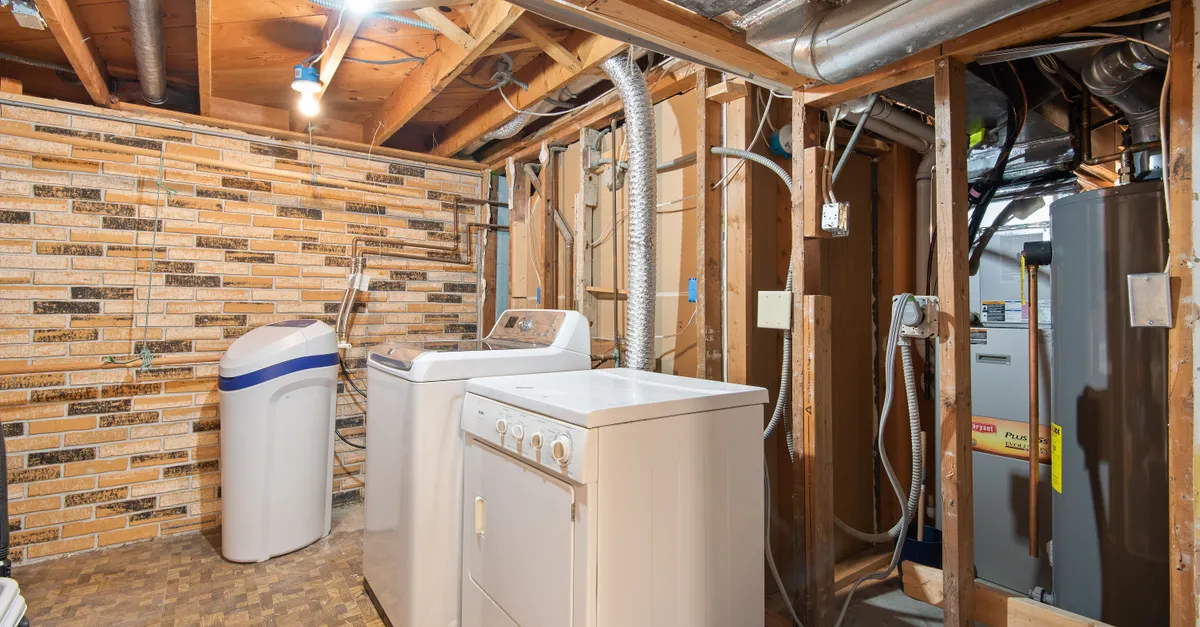
Leaking pipes or appliances can introduce a surprising amount of moisture into your basement. Regularly inspect plumbing fixtures, water heaters, and washing machines for leaks and repair them as soon as possible.
Long-Term Maintenance for a Dry Basement
Once you’ve addressed immediate moisture problems, ongoing maintenance is key to preventing humidity from returning. Here are some important habits to adopt:
- Check your basement regularly for signs of dampness or leaks.
- Keep gutters and downspouts clear of debris year-round.
- Maintain your dehumidifier and clean its filter as recommended by the manufacturer.
- Store items off the floor and away from walls to allow air circulation.
- Consider using moisture-absorbing products like silica gel or desiccant packs in problem areas.
By making these steps part of your routine, you’ll help ensure your basement stays dry and healthy.
Common Mistakes to Avoid When Managing Basement Humidity
Homeowners sometimes make errors that can worsen moisture problems. Avoid these pitfalls:
- Ignoring small leaks or cracks, which can quickly become bigger issues.
- Using carpeting in a basement, which can trap moisture and encourage mold growth.
- Running a dehumidifier with windows open, which can introduce more humid air.
- Storing cardboard boxes or organic materials directly on the floor.
- Neglecting to address exterior drainage or grading problems.
Being proactive and attentive to these details can save you time, money, and hassle in the long run.
Frequently Asked Questions
What is the ideal humidity level for a basement?
The recommended relative humidity for a basement is between 30% and 50%. Levels above 60% can encourage mold growth and structural damage.
Can I use a regular fan instead of a dehumidifier?
Fans can help improve air circulation but won’t remove moisture from the air. For significant humidity issues, a dehumidifier is much more effective.
Is it safe to finish a basement that has had humidity problems?
It’s important to resolve all moisture and humidity issues before finishing a basement. Otherwise, you risk trapping moisture behind walls or under flooring, which can lead to mold and damage.
Conclusion: Achieving a Dry, Comfortable Basement
Managing moisture in your basement is an ongoing process, but with the right strategies, you can create a healthier and more usable space. By improving ventilation, sealing entry points, using a dehumidifier, and maintaining your home’s exterior drainage, you’ll be well on your way to controlling humidity for good. Regular inspections and prompt repairs are essential to keep problems from returning. With these practical steps, your basement can remain dry, comfortable, and free from the risks associated with excess moisture.