A malfunctioning garage door sensor can quickly become a safety hazard and a daily inconvenience. These small devices are essential for preventing your garage door from closing on objects, pets, or people. If your door refuses to close or the sensor lights are acting up, you might be wondering if the sensors are at fault. Understanding how to tell if garage door sensor is bad can save you time, money, and frustration.
In this guide, you’ll learn the most reliable ways to check if your garage door sensors are working properly, what symptoms indicate trouble, and how to perform simple tests at home. We’ll also cover what to do if you discover a problem and when it’s best to call a professional. If you’re interested in related topics, you might also want to read about garage door keypad long term reliability for more on garage door safety and technology.
Recognizing the Signs of Faulty Garage Door Sensors
Before you start testing, it’s important to recognize the most common symptoms that suggest your garage door sensors may not be working as they should. Here are a few warning signs:
- Garage door won’t close or reverses immediately after starting to close.
- Sensor lights are off, blinking, or showing abnormal colors (usually, one should be green and the other amber or red).
- The door only closes when you hold down the wall button, bypassing the sensors.
- Obvious physical damage, dirt, or misalignment of the sensor units.
If you notice any of these issues, it’s time to investigate further. The following sections will walk you through how to check if your garage door sensors are bad with easy, step-by-step tests.
Step-by-Step: Testing Garage Door Sensors at Home
Performing a few simple tests can help you determine if your sensors are malfunctioning or if another issue is at play. Here’s how to proceed:
1. Inspect Sensor Lights and Alignment
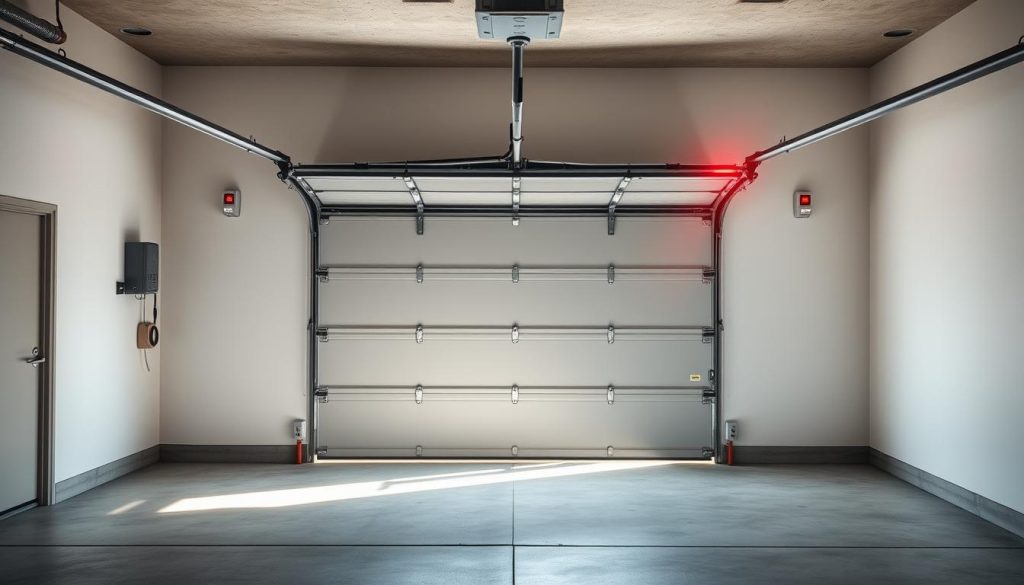
Most garage door sensors have indicator lights. Start by checking both sensors:
- Are both lights on? If not, check for loose wires or power issues.
- Is one light blinking? This often means the sensors are misaligned.
- Gently adjust the sensors so they face each other directly. The lights should turn solid if properly aligned.
2. Clean the Sensor Lenses
Dirt, spider webs, or debris can block the infrared beam between sensors. Use a soft cloth to gently wipe each lens. After cleaning, check if the indicator lights return to normal and test the door again.
3. Test the Beam With an Object
With the door open, press the close button and wave a long object (like a broomstick) in front of the sensors. The door should stop closing and reverse. If it does not, the sensors may be faulty or disconnected.
4. Check for Wiring Issues
Inspect the wires leading to each sensor. Look for visible damage, corrosion, or loose connections. Gently wiggle the wires to see if the sensor lights flicker or change. If so, you may need to repair or replace the wiring.
Common Causes of Sensor Malfunction
Understanding what can cause your garage door sensors to fail helps you prevent future issues. The most frequent culprits include:
- Misalignment due to accidental bumps or vibrations.
- Dirty or obstructed lenses from dust, insects, or cobwebs.
- Worn-out wiring or loose electrical connections.
- Direct sunlight interfering with the infrared signal.
- Physical damage from impact or water exposure.
Regular inspection and cleaning can help you avoid many of these problems. If you’re troubleshooting more advanced issues, you may find resources like step-by-step garage door sensor repair guides useful.
When to Replace or Call a Professional
If your sensors remain unresponsive after cleaning, realigning, and checking the wiring, replacement may be necessary. Modern sensors are relatively affordable and easy to install, but if you’re not comfortable with electrical work, it’s best to contact a qualified technician.
Persistent problems, such as sensors that work intermittently or doors that behave unpredictably, can indicate deeper electrical issues or a malfunctioning opener. In these cases, professional diagnosis ensures your garage door system remains safe and reliable.
Preventive Maintenance for Garage Door Sensors
To minimize the risk of sensor failure, incorporate these simple maintenance steps into your routine:
- Wipe the sensor lenses with a soft, dry cloth every few months.
- Check alignment after any accidental bump or garage door adjustment.
- Inspect wiring for wear, especially in older systems.
- Keep the area around the sensors free of clutter and debris.
- Test the safety reversal feature monthly using a solid object.
Proactive care not only extends the life of your sensors but also ensures your garage door remains safe for everyone in your household. For more on related technology, see this garage door keypad quality comparison for insights into compatible accessories.
Frequently Asked Questions
What are the most common symptoms of a bad garage door sensor?
The most frequent signs include the garage door refusing to close, reversing unexpectedly, blinking or unlit sensor indicators, and the need to hold down the wall button to close the door. Physical damage or dirty lenses can also signal trouble.
Can I bypass a faulty garage door sensor?
While holding the wall button may allow you to close the door temporarily, bypassing the sensors is not recommended for regular use. Doing so disables a critical safety feature and increases the risk of injury or property damage.
How often should I test my garage door sensors?
It’s a good idea to test your sensors at least once a month. Simply close the door and wave an object in front of the sensors. The door should reverse immediately. Regular testing helps catch problems before they become serious.
What should I do if cleaning and realigning the sensors doesn’t work?
If basic troubleshooting doesn’t resolve the issue, check for wiring problems or consider replacing the sensors. For persistent or complex problems, contact a professional garage door technician for a thorough inspection and repair.