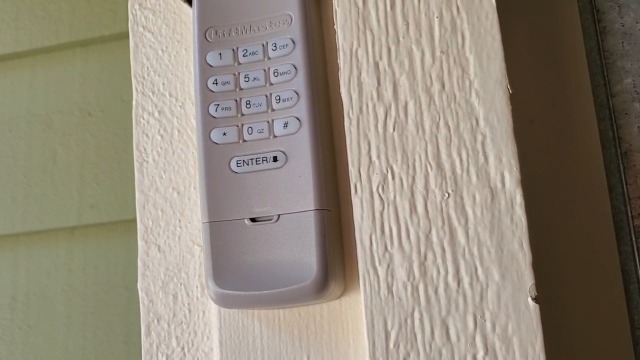
Keypad entry systems have become a common feature on garage doors, gates, and secure access points. While these devices offer convenience and added security, they can develop issues over time. Understanding when to call a professional for keypad repair is essential to maintain safety and avoid unnecessary frustration. In this guide, we’ll cover the most common keypad problems, how to troubleshoot minor issues, and the signs that indicate it’s time to seek expert help.
If you’re experiencing persistent trouble with your keypad, it’s important to know the difference between simple fixes and problems that require specialized attention. Addressing issues promptly can prevent lockouts and ensure your property remains secure.
Before diving into troubleshooting, it’s helpful to understand how your keypad interacts with your opener. For more details on compatibility, see the garage door keypad opener compatibility guide.
Common Keypad Issues and DIY Troubleshooting
Many keypad malfunctions are caused by simple, fixable problems. Here are some of the most frequent issues and steps you can take before considering professional repair:
- Dead or Weak Batteries: If your keypad is unresponsive or intermittent, replacing the batteries is often the quickest solution.
- Stuck or Unresponsive Buttons: Dirt and debris can accumulate, causing buttons to stick. Gently clean the keypad surface with a soft cloth and mild cleaner.
- Programming Errors: Sometimes, keypads lose their programming after a power outage or battery change. Refer to your user manual to reprogram the device.
- Alignment Problems: If the keypad is not mounted securely or is misaligned, it may not function correctly. For more on this, check out garage door keypad alignment issues.
If these steps resolve your issue, you may not need further assistance. However, persistent or complex problems often require professional expertise.
Signs You Need Expert Help for Keypad Repairs
Some keypad problems go beyond basic troubleshooting. Here are clear indicators that it’s time to contact a qualified technician:
- Repeated Failure After Battery Replacement: If new batteries don’t restore function, the issue may be with internal wiring or circuitry.
- Visible Damage or Corrosion: Exposure to weather can cause corrosion on contacts or wiring, which typically requires specialized tools and knowledge to repair.
- Intermittent Operation: If your keypad works only sporadically, there could be a deeper electrical or signal problem.
- RF Interference: Devices that operate on similar frequencies can disrupt keypad signals. Learn more in the garage door keypad RF interference article.
- Security Concerns: If your keypad opens without a code or shows other security vulnerabilities, professional intervention is necessary to protect your property.
In these situations, attempting DIY repairs can lead to further damage or compromise your security system.
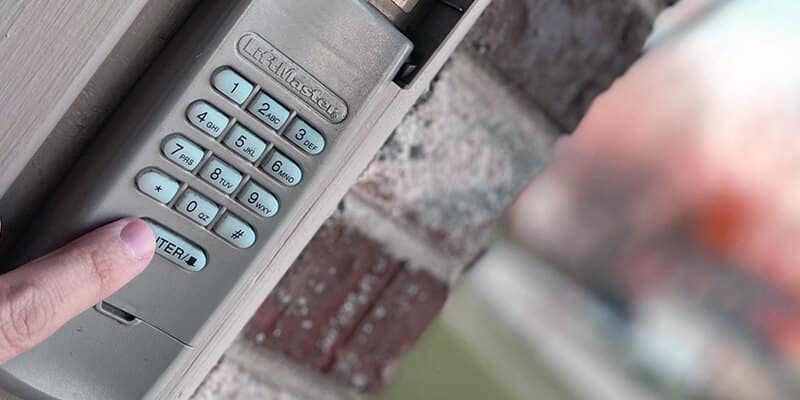
Professional Keypad Repair: What to Expect
When you decide to hire a professional, you can expect a thorough assessment and targeted repairs. Here’s what the process typically involves:
- Diagnosis: The technician will inspect the keypad, wiring, and connections to identify the root cause.
- Testing: Specialized tools may be used to test signal strength, voltage, and compatibility with your opener system.
- Repair or Replacement: Depending on the issue, the expert may repair damaged components or recommend a replacement keypad.
- Reprogramming: After repairs, the keypad will be reprogrammed and tested to ensure reliable operation.
- Maintenance Advice: You’ll receive tips on preventing future issues, such as regular cleaning and battery checks. For more long-term care, see these garage door keypad maintenance tips.
Professional service ensures your keypad is restored to full functionality, minimizing downtime and security risks.
Benefits of Timely Professional Intervention
Delaying repairs can lead to more serious problems, including lockouts and compromised security. Here are some reasons to act quickly:
- Enhanced Security: A fully functional keypad helps protect your home or business from unauthorized access.
- Peace of Mind: Knowing your entry system is reliable reduces stress and inconvenience.
- Cost Savings: Addressing issues early can prevent costly replacements or emergency service calls.
- Warranty Protection: Many keypads are covered by warranties that require professional service for repairs.
If you’re considering upgrading your system, you might find value in exploring the latest garage door opener options for 2025.
Preventing Keypad Problems in the Future
Regular maintenance is the best way to avoid unexpected keypad failures. Here are some practical steps you can take:
- Replace batteries at least once a year, or sooner if you notice reduced performance.
- Clean the keypad regularly to prevent dirt buildup on buttons and contacts.
- Check for signs of weather damage, especially if your keypad is exposed to the elements.
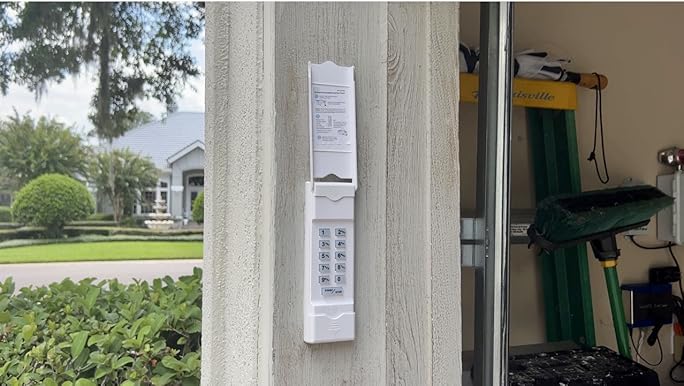
- Ensure the mounting is secure and the device is properly aligned. For more details, see the garage door keypad mounting problems resource.
- Test the keypad monthly to confirm it’s working as expected.
Staying proactive with these steps can extend the life of your keypad and reduce the need for urgent repairs.
FAQ
How do I know if my keypad problem is serious?
If your keypad remains unresponsive after changing the batteries, shows signs of physical damage, or fails to work consistently, it’s likely a more serious issue. In such cases, contacting a professional is recommended to prevent further complications.
Can I replace a faulty keypad myself?
While some homeowners can install a new keypad, it’s important to ensure compatibility with your opener and follow safety guidelines. For complex wiring or programming, professional installation is safer and more reliable.
What should I do if my keypad is affected by weather?
Weather exposure can cause corrosion and internal damage. If you notice moisture inside the device or visible rust, it’s best to have a technician assess and repair or replace the keypad as needed.