A sudden, loud bang from your garage door when opening can be startling and may signal a serious underlying issue. While some noises are harmless, others can indicate wear, misalignment, or even a safety hazard. Understanding what causes these sounds, how to safely inspect your door, and when to seek professional help is crucial to maintaining both your garage door and your safety.
Typical Reasons for a Banging Sound When Opening a Garage Door
Several factors can lead to a garage door making a loud bang when opening. Recognizing these causes is the first step toward addressing the problem effectively and safely.
- Torsion Spring Issues: The torsion spring is responsible for counterbalancing the weight of the door. If it breaks or loses tension, it can release energy suddenly, causing a sharp, loud noise. A broken spring is a serious safety risk and should never be handled without proper training.
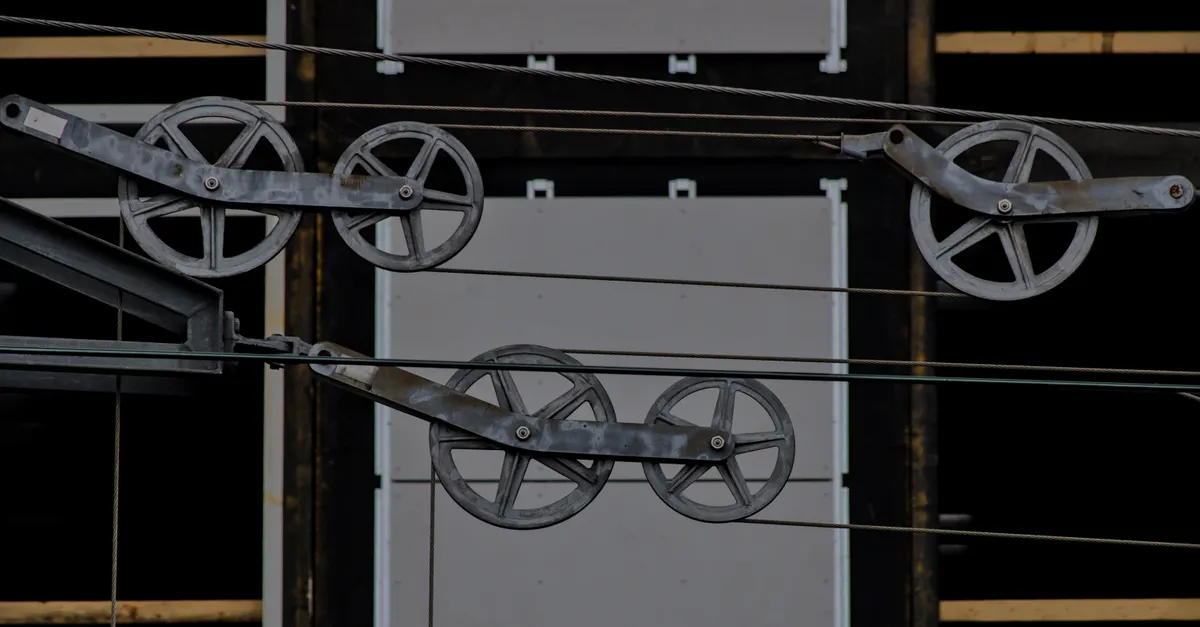
- Roller Problems: Worn or damaged rollers can create banging or grinding sounds as the door moves along the tracks. According to industry sources, grinding noises are often linked to worn rollers or inadequate lubrication, which can escalate into louder banging if left unaddressed.
- Loose or Damaged Hardware: Over time, bolts, hinges, and brackets can loosen. If these components shift or detach as the door operates, they may produce a sudden bang.
- Track Obstructions or Misalignment: Debris or misaligned tracks can cause the door to jerk or catch, resulting in a loud noise as the door moves past the obstruction.
- Garage Door Opener Malfunctions: If the opener’s drive mechanism is faulty or out of sync, it can cause abrupt movements and banging sounds.
Understanding these potential causes can help you decide on the safest next steps, but it’s important to avoid attempting repairs on high-tension parts like springs without professional assistance.
How to Safely Inspect a Noisy Garage Door
Before considering any fixes, a safe preliminary inspection can help you identify visible issues without putting yourself at risk. Here’s how to approach this process:
- Observe the Door in Motion: Stand clear of the door’s path and watch as it opens and closes. Note where the noise occurs and whether it coincides with a specific part of the movement.
- Listen for Distinct Sounds: Try to distinguish between banging, grinding, squeaking, or rattling. Each type of noise can point to a different issue.
- Check for Visible Damage: With the door closed and power disconnected to the opener, visually inspect the springs, rollers, tracks, and hardware. Look for broken, loose, or misaligned parts, but do not touch or adjust the springs or cables.
- Look for Obstructions: Ensure the tracks are clear of debris and that nothing is blocking the rollers’ path.
If you notice a broken spring, frayed cable, or any component under tension that appears damaged, do not attempt to repair or adjust it yourself. These parts can cause serious injury if mishandled.
Simple Steps to Reduce Garage Door Noise
Some minor issues can be addressed with basic maintenance, as long as you avoid working on high-tension components. Here are safe, practical steps you can take:
- Lubricate Moving Parts: Apply a garage door lubricant to the rollers, hinges, and tracks (but not the springs unless specified by the manufacturer). This can reduce friction and minimize noise.
- Tighten Loose Hardware: Use a wrench or socket to gently tighten any loose bolts or screws on the door and tracks. Do not overtighten, and never attempt to adjust parts connected to the spring system.
- Clean the Tracks: Remove dirt and debris from the tracks with a soft cloth. Avoid using water or harsh chemicals that could cause rust.
If these steps do not resolve the noise, or if you suspect a more serious issue, it’s time to consider professional assistance. For more on related noises, you might find the article on garage door making loud grinding noise helpful.
Recognizing When to Call a Garage Door Professional
While some noises result from minor issues, others signal a need for expert intervention. Attempting to repair high-tension components, such as springs or cables, can be extremely dangerous. Here’s when you should leave the job to a trained technician:
- Broken or Stretched Springs: If you see a gap in the spring or hear a loud snap, do not touch the spring or attempt to open the door. Springs store significant energy and can cause severe injury if mishandled.
- Frayed or Detached Cables: Cables help support the door’s weight. If they appear damaged or have come off the drum, professional repair is essential.
- Persistent or Worsening Noise: If the banging sound continues after basic maintenance, there may be a deeper mechanical issue requiring specialized tools and knowledge.
- Door Off Track or Misaligned: A door that jumps or binds in the tracks should not be forced. Professional realignment ensures safe operation and prevents further damage.
- Opener Malfunctions: Problems with the opener’s motor or drive system often need diagnostic equipment and expertise.
Professional technicians have the training and equipment to safely diagnose and repair complex garage door problems. Prompt intervention can prevent further damage and ensure your safety.
Summary and Safe Practices for Homeowners
A garage door that produces a loud bang when opening is more than just a nuisance—it can be a warning sign of a mechanical or safety issue. While some causes, like minor lubrication needs or loose bolts, can be addressed with basic care, others—especially those involving springs, cables, or major misalignments—require professional attention. Always prioritize safety, perform only visual inspections and simple maintenance, and call a qualified technician for anything beyond basic upkeep.
Frequently Asked Questions
What should I do first if my garage door makes a loud bang when opening?
Begin by observing the door’s movement and listening for where the noise occurs. Perform a visual inspection for obvious damage, but avoid touching springs or cables. If you see broken or stretched components, contact a professional immediately.
Is it safe to lubricate my garage door if it’s making noise?
Yes, lubricating the rollers, hinges, and tracks with a garage door-specific lubricant is generally safe and can help reduce noise. However, do not attempt to lubricate or adjust the springs unless the manufacturer’s instructions specifically allow it.
When is it necessary to call a garage door technician?
Call a professional if you notice broken springs, frayed cables, persistent loud noises after basic maintenance, or if the door is off its tracks. Attempting to repair these components yourself can be dangerous and may lead to further damage or injury.