A garage door that unexpectedly reverses before closing can be both frustrating and concerning. This behavior is more than just an inconvenience—it’s a sign that something in the system is preventing the door from closing safely. Understanding the reasons behind this reversal is essential for maintaining both the security and safety of your home. In this article, we’ll explore the most common causes for this issue, how built-in safety features work, and what steps you can take to inspect your garage door safely. We’ll also discuss when it’s best to call a professional for help.
How Safety Features Affect Garage Door Operation
Modern garage doors are equipped with several safety features designed to prevent accidents and property damage. One of the most important components is the safety sensor system, often called photo-eye sensors. These sensors are typically installed near the floor on both sides of the door. They emit an invisible infrared beam across the opening; if anything interrupts this beam while the door is closing, the system will automatically reverse the door’s direction to prevent injury or damage. For more details on how these systems work, you can refer to the garage door safety sensor guide.
Besides sensors, garage door openers also include force and travel settings. These settings control how much force the opener uses to move the door and how far the door travels before stopping. If these settings are too sensitive or not calibrated correctly, the opener may interpret normal resistance as an obstruction, causing the door to reverse.
Common Reasons for a Garage Door Reversing Before Closing
There are several possible explanations for a garage door reversing unexpectedly. Some of the most frequent causes include:
- Misaligned or Dirty Safety Sensors: If the sensors are not facing each other perfectly or if their lenses are dirty, the infrared beam can be disrupted. Even a slight misalignment can cause the system to think there’s an obstruction, triggering a reversal.
- Obstructions in the Door’s Path: Objects, debris, or even small items like leaves or tools can block the sensors or physically obstruct the door, prompting it to reverse for safety reasons.
- Incorrect Force or Travel Settings: If the opener’s force or travel limits are set too low, the system may detect resistance from the door’s normal movement as a problem. This can cause the door to reverse before it fully closes.
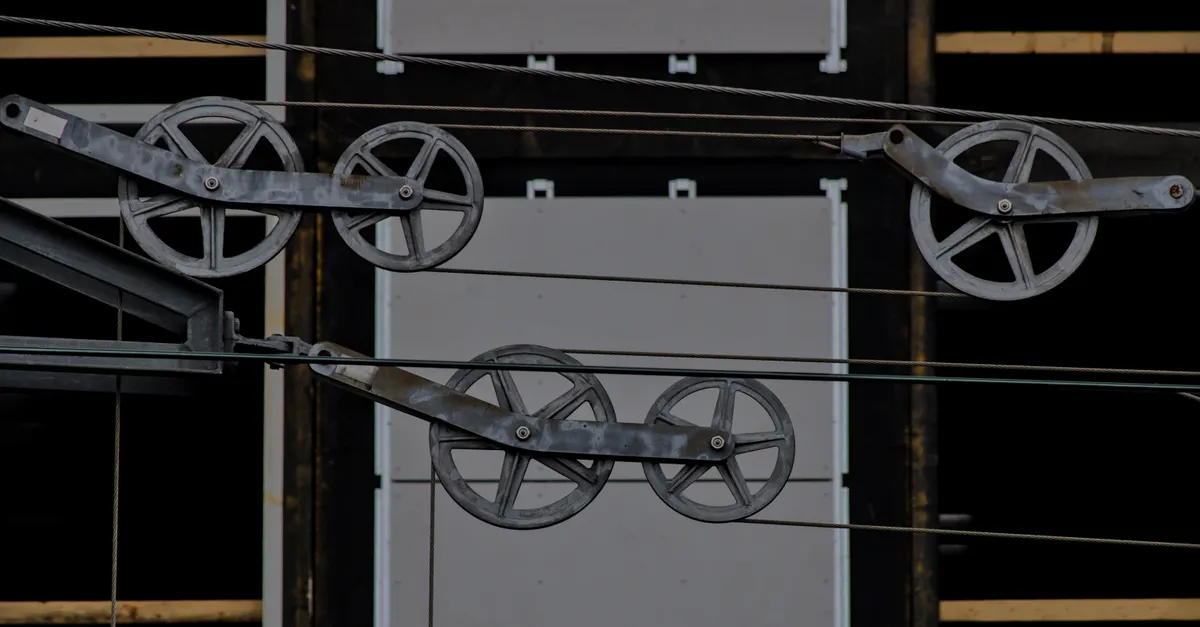
- Damaged Tracks or Rollers: Bent tracks, worn rollers, or other mechanical issues can increase resistance, leading the opener to reverse the door for safety.
- Worn or Broken Springs: Springs help balance the weight of the garage door. If they are damaged, the opener may struggle to move the door, causing it to reverse.
Sensor misalignment is one of the most common issues. If you suspect this is the problem, you may find the how to align garage door sensors guide helpful for understanding what proper alignment looks like and why it matters.
Troubleshooting Steps for Garage Door Reversal
Before attempting any inspection, always ensure your safety by disconnecting the garage door opener and keeping hands and tools clear of moving parts. Here are some safe troubleshooting steps you can take:
1. Check for Obstructions and Clean the Sensors
Inspect the area along the door’s path and remove any visible objects or debris. Next, gently clean the sensor lenses with a soft, dry cloth to remove dust or cobwebs that could block the infrared beam.
2. Inspect Sensor Alignment
Look at the sensors on either side of the garage door. Most models have indicator lights that show whether the sensors are properly aligned. If one or both lights are off or blinking, the sensors may be out of alignment. Adjust them so they face each other directly and the indicator lights remain steady.
3. Examine the Tracks and Rollers
Check the tracks for bends, dents, or obstructions. Make sure the rollers move smoothly along the tracks. If you notice significant damage or excessive wear, it’s best to consult a professional rather than attempt repairs yourself.
4. Evaluate Force and Travel Settings
The force and travel settings on your garage door opener determine how much resistance the system will tolerate before reversing and how far the door travels. If these are set incorrectly, the opener may reverse the door unnecessarily. While detailed adjustment procedures vary by manufacturer, most openers have dials or screws labeled “up force,” “down force,” “up travel,” and “down travel.” Refer to your owner’s manual for safe adjustment instructions. If you’re unsure or uncomfortable making these adjustments, contact a qualified technician.
5. Test the Door Manually
Disconnect the opener using the emergency release cord and try lifting the door by hand. The door should move smoothly and stay open about halfway. If it’s heavy, sticks, or falls closed, there may be an issue with the springs or balance, which requires professional attention.
When to Seek Professional Assistance
While some minor issues can be inspected safely, there are situations where calling a professional is the best course of action. Consider professional help if:
- The door continues to reverse after basic troubleshooting.
- You notice broken springs, frayed cables, or damaged hardware.
- The opener’s force or travel settings are confusing or inaccessible.
- You hear unusual noises, such as grinding or squealing, during operation.
- The door appears crooked or moves unevenly.
Garage doors are heavy and under significant tension. Attempting repairs on springs, cables, or the opener’s internal mechanisms can be dangerous without the proper tools and training. For persistent or complex issues, always prioritize safety and consult a qualified garage door technician.
Summary and Key Takeaways
A garage door that reverses before closing is usually responding to a safety concern, such as a blocked sensor, misalignment, or incorrect settings. Regular inspection of the sensors, tracks, and opener settings can help you identify and resolve many common issues. However, if the problem persists or involves mechanical components, it’s important to seek professional assistance to avoid injury and ensure your garage door operates safely and reliably.
Frequently Asked Questions
What is the most common reason for a garage door reversing before it closes?
The most frequent cause is misaligned or obstructed safety sensors. When the sensors can’t communicate properly, the door’s safety system triggers a reversal to prevent accidents.
Can I adjust the force and travel settings myself?
Some homeowners can safely adjust these settings by following the opener’s manual. However, if you’re unsure about the process or if adjustments don’t resolve the issue, it’s best to contact a professional to avoid damaging the system or compromising safety.
Is it dangerous to use a garage door that keeps reversing?
Repeated reversals indicate a safety feature is being triggered. Continuing to use the door without addressing the underlying cause can lead to further damage or create a safety hazard. It’s important to inspect the system and seek professional help if needed.