Are you a homeowner looking to improve the energy efficiency and comfort of your garage? Understanding how to measure garage door insulation is a vital step in achieving these goals. The process might seem daunting, but with the right guidance, it can be straightforward and rewarding. In this article, we will explore the steps to accurately measure the insulation of your garage door, along with tips to enhance your garage’s overall efficiency.
Understanding Garage Door Insulation
Garage door insulation plays a crucial role in regulating the temperature inside your garage. Insulated garage doors can help maintain a consistent indoor temperature, reducing energy costs and improving comfort. To understand how to measure garage door insulation, it’s essential to first grasp the basics of insulation.
Types of Insulation
There are several types of insulation materials used in garage doors, such as polystyrene, polyurethane, and fiberglass. Each of these materials has its unique properties and benefits. Polystyrene panels, for example, are cost-effective and offer good thermal resistance, while polyurethane foam provides a higher insulation value due to its density.
Importance of Insulation Values
The effectiveness of garage door insulation is often measured by its R-value. The R-value indicates the insulation’s ability to resist heat flow, with higher values representing better insulation performance. When measuring garage door insulation, understanding the R-value of your existing setup is crucial.
Steps to Measure Garage Door Insulation
Step 1: Identify the Insulation Material
Begin by identifying the type of insulation used in your garage door. This can usually be done by checking the manufacturer’s label or consulting the product manual. Knowing the material will help you determine the R-value and overall effectiveness of the insulation.
Step 2: Calculate the R-Value
Once you know the insulation material, you can calculate the R-value. If the R-value isn’t provided by the manufacturer, you may need to measure the thickness of the insulation and refer to standard R-value tables available online.
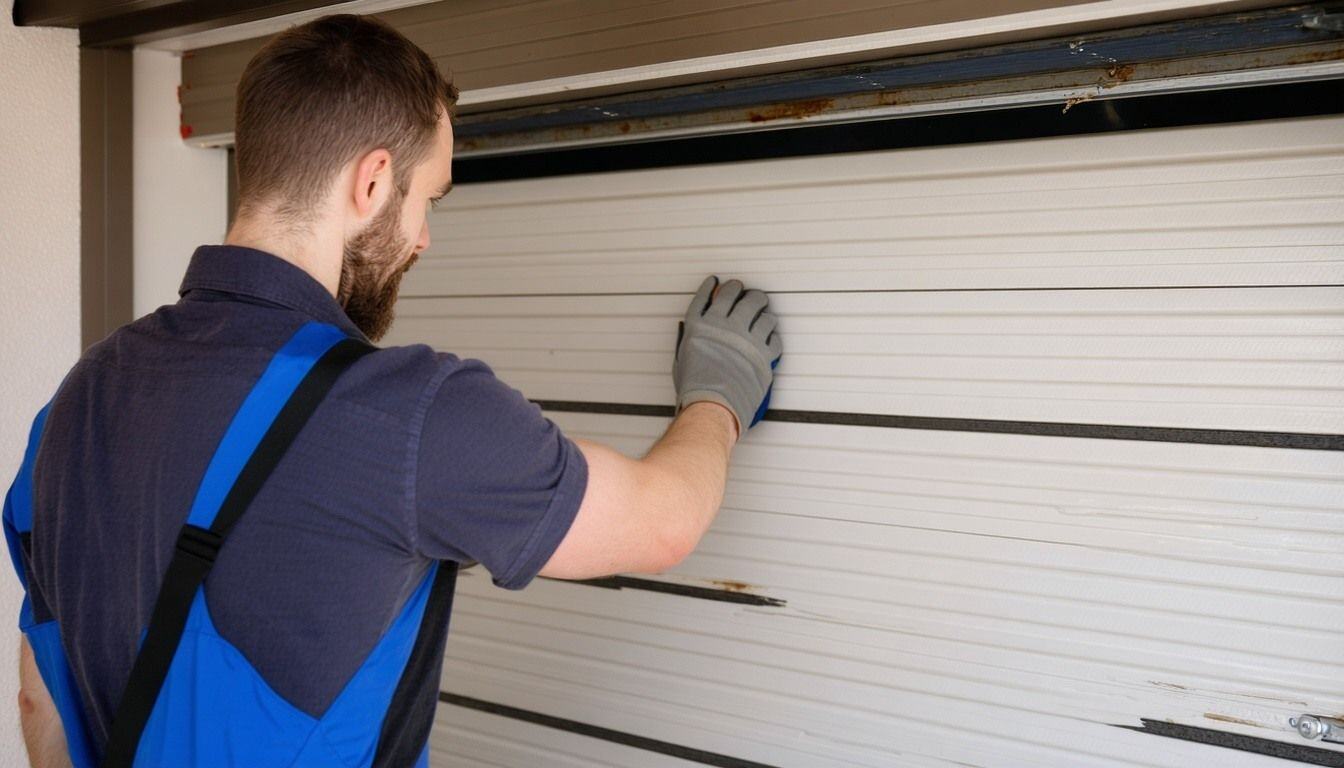
Step 3: Inspect for Gaps and Weak Points
Check for any gaps, cracks, or weak points in the insulation. These can significantly reduce the effectiveness of your garage door insulation, leading to energy loss. Sealing these gaps with weatherstripping or additional insulation can improve efficiency.
Enhancing Garage Door Insulation
Upgrade to an Insulated Garage Door
If your garage door is uninsulated or has low R-value insulation, consider upgrading to an insulated garage door. Modern insulated doors are designed to maximize energy efficiency and can dramatically enhance indoor comfort.
Add Additional Insulation
If replacing the door isn’t an option, adding additional insulation to your existing door can be a cost-effective solution. Insulation kits specifically designed for garage doors are widely available and can be a DIY project for many homeowners.
Benefits of Proper Garage Door Insulation
Properly insulated garage doors offer numerous benefits beyond energy savings. They can reduce noise, provide better protection for stored items, and even enhance the overall appearance of your home. For more details on the benefits of insulated doors, consider exploring additional resources.
Common Mistakes to Avoid
Avoid common mistakes such as overlooking gaps, using incorrect insulation materials, or failing to calculate the R-value accurately. These errors can compromise the effectiveness of your garage door insulation, leading to increased energy costs and discomfort.
Maintenance Tips for Insulated Garage Doors
Regular Inspection
Regularly inspect your garage door insulation for signs of wear and tear. Addressing minor issues promptly can prevent more significant problems down the line.
Weatherstripping
Ensure that weatherstripping is in good condition and replace it if necessary. Proper weatherstripping can seal gaps and enhance the overall insulation of your garage door.
Conclusion
Understanding how to measure garage door insulation is essential for homeowners looking to improve energy efficiency and comfort. By following the steps outlined in this guide and taking proactive measures to enhance your garage’s insulation, you can enjoy a more comfortable and cost-effective home environment.
FAQs
What is the best insulation for garage doors?
Polyurethane and polystyrene are popular choices due to their high R-values and effectiveness.
How often should I check my garage door insulation?
It’s recommended to inspect your garage door insulation at least once a year or whenever you notice changes in temperature or energy bills.
Can I install garage door insulation myself?
Yes, many insulation kits are designed for DIY installation, but professional installation is recommended for optimal results.
This article contains affiliate links. We may earn a commission at no extra cost to you.