If your garage door gets stuck or slows down midway, you’re not alone. Many homeowners experience garage door halfway friction issues that cause the door to hesitate, grind, or even stop unexpectedly. These problems can be frustrating and may indicate underlying mechanical or alignment concerns that need prompt attention. Understanding the root causes and knowing how to address them can help you restore smooth operation and prevent further damage.
In this article, we’ll break down the most common reasons for friction when your garage door is halfway open, provide step-by-step troubleshooting tips, and offer practical solutions for both manual and automatic systems. You’ll also find guidance on when to call a professional and how to maintain your door for long-term reliability.
For a deeper understanding of how your system’s settings can affect door movement, see our guide on how garage door limit settings work.
Identifying the Causes of Midway Friction in Garage Doors
When a garage door encounters resistance at the halfway point, several factors could be at play. Recognizing these issues early can help you avoid more serious repairs down the line. Some of the most frequent causes include:
- Track misalignment – If the tracks are bent, loose, or not parallel, the rollers may bind or jam as the door moves up or down.
- Dirty or damaged rollers – Worn-out or debris-covered rollers can increase friction, especially at points where the door’s weight shifts.
- Insufficient lubrication – Lack of proper lubricant on tracks, rollers, or hinges leads to increased resistance.
- Spring tension problems – Springs that are too tight or too loose can cause uneven lifting force, making the door struggle at certain points.
- Obstructions or debris – Small objects or buildup in the tracks can create sudden friction or stops.
- Door imbalance – If the door is not balanced correctly, it may drag or tilt, increasing friction as it moves.
Sometimes, safety features or sensor issues can also cause the door to reverse or stop. For more on this, check out our article on the garage door reversing halfway safety feature.
Step-by-Step Troubleshooting for Friction Problems
Addressing garage door halfway friction issues requires a systematic approach. Follow these steps to diagnose and potentially fix the problem:
1. Inspect the Tracks and Rollers
Begin by visually examining the tracks on both sides. Look for bends, dents, or gaps. Rollers should move smoothly and not wobble or stick. If you notice any misalignment, gently tap the track back into place with a rubber mallet. Remove any debris or buildup using a damp cloth.
2. Lubricate Moving Parts
Proper lubrication is essential for smooth operation. Use a silicone-based or garage door-specific lubricant on all rollers, hinges, and tracks. Avoid using grease, which can attract dirt and worsen the problem. Apply lubricant sparingly and wipe away any excess.
3. Check Spring Tension and Door Balance
Springs play a critical role in counterbalancing the door’s weight. If the door feels heavy or slams shut, the springs may need adjustment. To test balance, disconnect the opener and manually lift the door halfway. It should stay in place. If it moves up or down, spring tension may be off, and professional adjustment is recommended.
4. Examine for Obstructions and Sensor Issues
Even small objects or dirt in the tracks can cause friction. Clean the tracks thoroughly. Also, inspect the photo-eye sensors for alignment and cleanliness. Misaligned or dirty sensors can cause the opener to stop or reverse. For detailed troubleshooting, see our guide on garage door photo eye troubleshooting.
When to Call a Professional for Garage Door Friction Concerns
While many minor friction issues can be resolved with cleaning and lubrication, some problems require professional expertise. If you notice broken springs, cables, or persistent alignment problems, it’s best to contact a qualified technician. Attempting complex repairs yourself can be dangerous due to the high tension in springs and the weight of the door.
Persistent halfway friction may also signal a failing opener or a more serious mechanical fault. If your troubleshooting efforts don’t resolve the issue, or if the door continues to get stuck, don’t hesitate to seek expert help.
Preventing Future Friction Problems
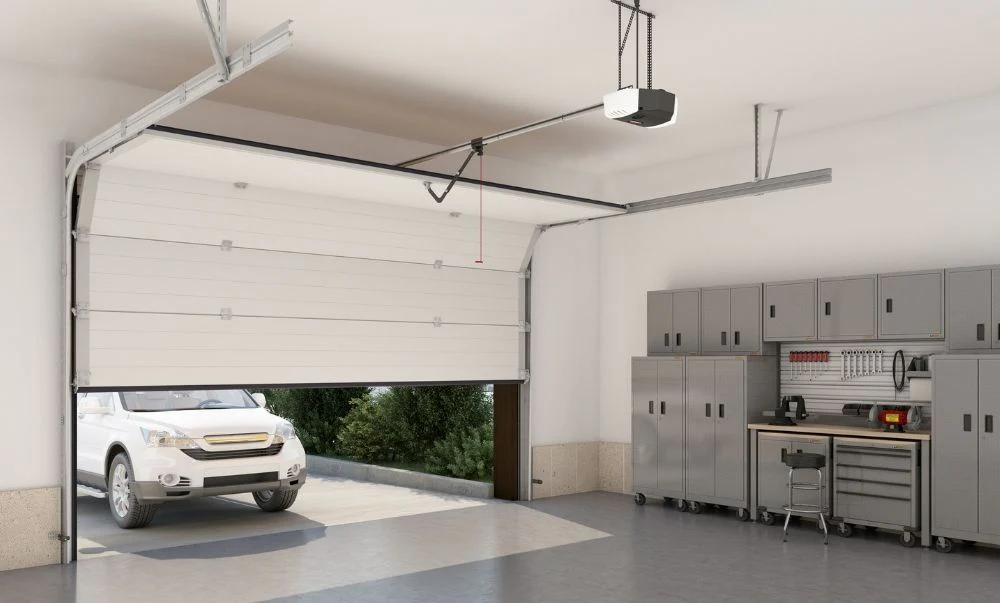
Regular maintenance is the best way to avoid recurring garage door halfway friction issues. Here are some practical tips:
- Inspect and clean tracks monthly to remove dust and debris.
- Lubricate rollers, hinges, and springs every six months with a recommended product.
- Check door balance and spring tension annually.
- Test safety sensors and auto-reverse features regularly to ensure proper function.
- Schedule professional inspections every 1–2 years, especially for older systems.
For more on how sensors contribute to safe and smooth operation, see our article on how garage door sensors prevent accidents.
Additional Resources and Expert Advice
If you’re still experiencing trouble, you may find it helpful to review detailed explanations of garage door limit switch explained and related safety features. For a broader overview of why doors may stop or hesitate, visit this in-depth article on common causes for garage doors stopping halfway.
Frequently Asked Questions
What are the most common causes of friction when my garage door is halfway open?
The most frequent reasons include misaligned tracks, worn or dirty rollers, lack of lubrication, improper spring tension, obstructions in the track, and door imbalance. Addressing these can often resolve the issue.
Can I fix halfway friction problems myself, or should I call a professional?
Many minor issues, such as cleaning tracks or lubricating moving parts, can be handled by homeowners. However, if you notice broken springs, cables, or persistent alignment issues, it’s safer to contact a professional due to the risks involved.
How often should I maintain my garage door to prevent friction issues?
It’s recommended to clean and inspect tracks monthly, lubricate moving parts every six months, and have a professional inspection every 1–2 years. Regular maintenance helps prevent most friction-related problems.