A garage door that stops or gets stuck halfway can be a frustrating and potentially unsafe issue for any homeowner. This problem is often linked to the springs, which are essential for balancing and lifting the heavy door. Understanding the root causes and knowing how to address them can help you restore smooth operation and avoid further damage or costly repairs.
In this article, we’ll break down the most common reasons a garage door won’t open or close fully due to spring issues, how to identify the symptoms, and practical steps for troubleshooting and fixing the problem. We’ll also cover when it’s time to call a professional and provide tips for ongoing maintenance. If you’re also dealing with sensor issues, you might find our guide on how to fix garage door sensor mounting on metal studs helpful.

Understanding Why Garage Doors Get Stuck Midway
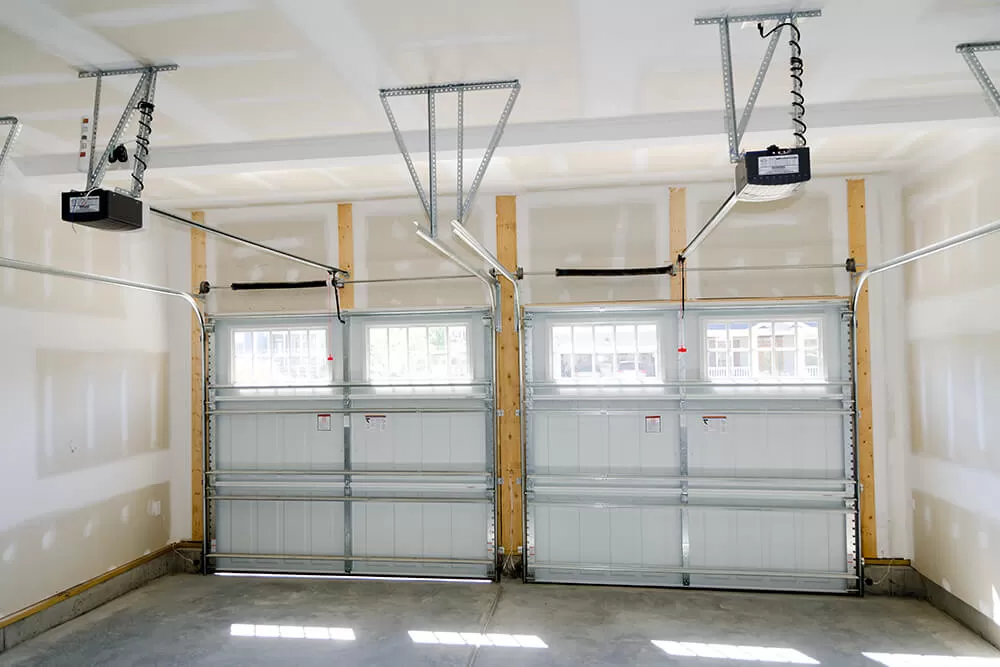
When a garage door only opens or closes halfway, it’s usually a sign that something is interfering with its movement or the balance provided by the springs is compromised. The springs—either torsion or extension types—are designed to counterbalance the weight of the door, making it possible for the opener to lift and lower it smoothly. If the springs are faulty, worn out, or broken, the opener may struggle, causing the door to halt partway.
Other factors such as misaligned tracks, obstructions, or opener issues can also contribute, but spring-related problems are among the most common culprits. Recognizing the signs early can help you avoid further complications.
Main Causes of a Garage Door Stopping Halfway
Several issues can lead to a garage door getting stuck in the middle of its path. Here are the most frequent causes related to the spring system:
- Broken or Worn Springs: If a torsion or extension spring snaps or loses tension, the door may not have enough support to move past the halfway point.
- Incorrect Spring Adjustment: Springs that are too tight or too loose can disrupt the balance, causing the opener to stop to prevent damage.
- Spring Fatigue: Over time, springs can weaken due to repeated cycles, resulting in insufficient lifting power.
- Obstructions or Track Issues: While not directly related to springs, debris or bent tracks can also cause the door to jam, putting extra strain on the springs.
- Lack of Lubrication: Dry or rusty springs create friction, making it harder for the door to move smoothly.
How to Diagnose Spring-Related Issues
Before attempting any repairs, it’s important to confirm whether the springs are the source of the problem. Here’s how to check:
- Visual Inspection: Look for visible gaps, breaks, or stretching in the springs. A broken spring is often obvious, while a fatigued one may appear elongated or misshapen.
- Manual Operation Test: Disconnect the opener and try lifting the door manually. If it feels extremely heavy or won’t stay up, the springs are likely compromised.
- Listen for Noises: Loud bangs or snapping sounds often indicate a spring has broken. Squeaking or grinding can mean the springs need lubrication.
- Check for Uneven Movement: If one side of the door rises faster or slower, one of the extension springs may be weaker or broken.
If you notice any of these symptoms, it’s likely the springs are at fault. For more on related sensor issues, see our article on why is my garage door sensor indicator light missing.
Step-by-Step Fixes for Garage Door Spring Problems
Addressing a garage door that stops halfway due to spring issues can range from simple maintenance to full replacement. Here’s a practical approach:
1. Lubricate the Springs
If the springs are squeaky or appear dry, apply a garage door lubricant spray to reduce friction and help the door move more freely. Avoid using grease, as it can attract dust and debris.
2. Adjust Spring Tension (If Safe)
Some minor tension adjustments can be made on extension springs by moving the hook to a different hole on the track support. For torsion springs, adjustment is dangerous and should only be done by professionals due to the high tension involved.
3. Replace Broken or Severely Worn Springs
If a spring is visibly broken or the door is extremely heavy to lift, replacement is necessary. This is not a DIY job unless you have experience and proper tools, as springs are under significant tension and can cause injury.
4. Clear Tracks and Remove Obstructions
Ensure the tracks are free of debris and not bent. Even with healthy springs, a blocked or misaligned track can cause the door to jam halfway.
When to Call a Professional
While some maintenance tasks like lubrication or clearing tracks can be handled by most homeowners, anything involving spring replacement or major adjustments should be left to trained technicians. Garage door springs are under high tension and can cause serious injury if not handled properly.
If you’re unsure about the cause, or if the door remains stuck after basic troubleshooting, contact a local garage door repair service. For more details on troubleshooting, check out this comprehensive guide to garage doors stopping halfway.
Preventive Maintenance Tips
Regular maintenance can help prevent spring-related issues and keep your garage door running smoothly:
- Lubricate springs, rollers, and hinges every six months with a recommended spray.
- Inspect springs for signs of wear or rust.
- Test the balance of your door by disconnecting the opener and lifting it manually—it should stay open about halfway.
- Keep tracks clean and aligned.
- Schedule professional inspections annually, especially if your door is more than five years old.
For more on sensor-related troubleshooting, see our article on why is my garage door sensor light turning off and on.
FAQ
Why does my garage door only open or close halfway?
This issue is often caused by broken, worn, or improperly adjusted springs. Other factors like blocked tracks, opener problems, or sensor misalignment can also contribute. Inspect the springs first, as they are a common source of the problem.
Is it safe to fix garage door springs myself?
While lubricating springs and clearing tracks are generally safe, adjusting or replacing springs is dangerous due to the high tension involved. It’s best to hire a professional for any spring replacement or major adjustment.
How can I tell if my garage door springs are broken?
Common signs include a loud bang from the garage, visible gaps or breaks in the spring, and a door that feels extremely heavy or won’t stay open when lifted manually. If you notice any of these, the spring likely needs replacement.
Can lubrication fix a garage door that stops halfway?
If the springs are simply dry or squeaky, lubrication can help. However, if the springs are broken or severely worn, lubrication alone won’t solve the issue.
How often should garage door springs be replaced?
Most springs last between 7-10 years or about 10,000 cycles. If your door is older or you notice signs of fatigue, consider scheduling a professional inspection and possible replacement.