When your garage door stops moving and gets stuck halfway, it can be both inconvenient and concerning. Homeowners often wonder whether a quick repair will solve the issue or if a full replacement is necessary. Making the right decision depends on the underlying cause, the age of your system, and your budget. This article breaks down the key considerations for choosing between fixing a partially working garage door and investing in a new one.
Understanding the pros and cons of each option helps you avoid unnecessary expenses and ensures your garage remains secure and functional. We’ll explore the most common causes of halfway malfunctions, the cost implications, and how to determine the best course of action for your situation.
If you’re troubleshooting related sensor issues, you may also find how to fix garage door sensor mounting on metal studs helpful for addressing common sensor mounting challenges.
Common Reasons Garage Doors Get Stuck Midway
Before deciding between fixing or replacing your garage door, it’s important to identify why it only opens or closes halfway. The most frequent causes include:
- Obstructed Tracks: Dirt, debris, or physical damage can prevent smooth movement.
- Worn Rollers or Hinges: Old or damaged components increase friction and resistance.
- Broken Springs: Torsion or extension springs that are failing can’t support the door’s weight.
- Faulty Sensors: Misaligned or dirty sensors may stop the door for safety reasons.
- Opener Issues: Malfunctioning openers or incorrect limit settings can halt operation.
- Electrical Problems: Wiring faults or power interruptions may disrupt the door’s movement.
Pinpointing the exact cause is the first step in determining whether a repair will suffice or if a new installation is warranted.
When Is Repair the Best Option?
In many cases, a halfway-stuck garage door can be restored to full function with targeted repairs. Here are scenarios where repair is usually the most practical and cost-effective approach:
- Minor Component Failure: If only a roller, hinge, or cable is damaged, replacing that part is straightforward and affordable.
- Sensor Alignment: Adjusting or cleaning safety sensors can resolve many halfway issues.
- Track Cleaning or Realignment: Removing obstructions or straightening bent tracks often restores smooth operation.
- Opener Adjustments: Resetting the opener’s travel limits or force settings can fix partial movement.
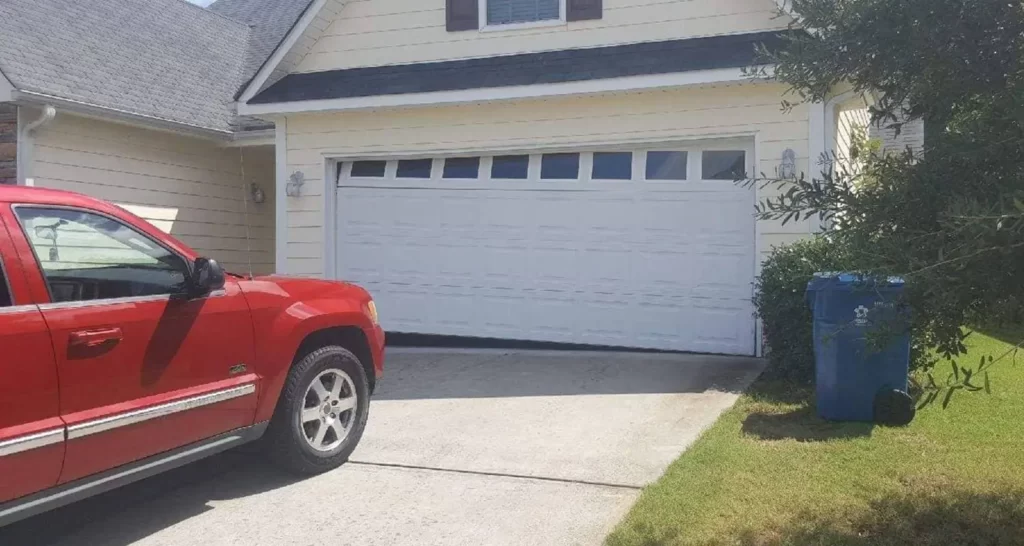
Repairing these issues is generally less expensive and faster than a full replacement. For step-by-step instructions on resolving a stuck door, see this comprehensive guide to fixing a garage door that’s stuck halfway.
Signs That Point to Replacement Instead of Repair
Sometimes, fixing a malfunctioning garage door is not the best long-term solution. Consider replacing your system if you notice any of the following:
- Extensive Structural Damage: Warped, cracked, or rotting panels compromise safety and appearance.
- Frequent Breakdowns: If repairs are becoming routine, the system may be at the end of its lifespan.
- Outdated Technology: Older openers lack modern safety features and may not be compatible with smart home systems.
- High Repair Costs: When the cost of fixing multiple components approaches the price of a new door, replacement is more economical.
- Poor Energy Efficiency: Older doors may lack insulation, leading to higher energy bills.
Upgrading to a new garage door can improve curb appeal, security, and energy efficiency, making it a smart investment for many homeowners.
Comparing Costs: Fixing Versus Installing New
The decision between repair and replacement often comes down to cost. Here’s a general breakdown:
| Service | Average Cost (USD) | Typical Scenarios |
|---|---|---|
| Minor Repair (rollers, sensors, track) | $80 – $250 | Single part replacement, cleaning, adjustments |
| Spring Replacement | $150 – $350 | Broken or worn springs |
| Opener Replacement | $300 – $600 | Malfunctioning or outdated opener |
| Full Door Replacement | $800 – $2,500+ | Major structural damage, old system, upgrades |
If your repair estimate is more than half the cost of a new door, it’s usually wiser to invest in a replacement.
How to Decide: Key Factors to Consider
Making the right choice between repairing or replacing your garage door depends on several factors:
- Age of the Door: Doors over 15 years old are often better off replaced, especially if multiple issues are present.
- Frequency of Problems: If breakdowns are becoming common, replacement may save money in the long run.
- Safety Concerns: A door that won’t close fully can compromise home security and safety.
- Home Value: A new, modern door can enhance curb appeal and resale value.
- Personal Preference: If you want quieter operation, better insulation, or smart features, upgrading makes sense.
Weigh these considerations carefully to make a decision that fits your needs and budget.
Preventing Future Garage Door Issues
Whether you opt for repair or replacement, regular maintenance is essential to keep your garage door operating smoothly. Here are some tips:
- Lubricate moving parts every six months with a dedicated garage door lubricant.
- Inspect tracks, rollers, and hinges for wear or debris.
- Test safety sensors and opener functions monthly.
- Tighten loose hardware and check for signs of rust or corrosion.
- Address minor issues promptly to prevent bigger problems.
For more on troubleshooting sensor problems, you might want to read about why is my garage door sensor transmitter dead for additional diagnostic tips.
FAQ: Garage Door Halfway Malfunctions and Solutions
What should I check first if my garage door only opens or closes halfway?
Start by inspecting the tracks for obstructions, checking the rollers and hinges for wear, and ensuring the safety sensors are aligned and clean. Also, verify that the opener’s travel limits are set correctly. Addressing these common issues can often restore full operation.
How do I know if it’s time to replace my garage door instead of repairing it?
If your door is over 15 years old, has significant structural damage, or requires frequent repairs, replacement is usually the better investment. Additionally, if repair costs are close to the price of a new door, upgrading makes more sense.
Can I fix a halfway-stuck garage door myself?
Some minor issues, like cleaning tracks or adjusting sensors, can be handled by homeowners. However, repairs involving springs or major components should be left to professionals due to safety risks. Always consult a qualified technician if you’re unsure.
Are there ways to prevent my garage door from getting stuck again?
Yes, regular maintenance such as lubricating moving parts, keeping tracks clean, and promptly addressing minor issues can greatly reduce the risk of future problems.
Is it worth upgrading to a smart garage door opener?
Upgrading to a smart opener adds convenience, enhanced security, and compatibility with home automation systems. It’s a worthwhile investment, especially if your current opener is outdated or unreliable.