If your garage door suddenly stops responding to remote commands or fails to open and close as expected, a non-working sensor transmitter is often the culprit. Many homeowners encounter this issue and wonder what causes their garage door opener to become unresponsive. Understanding the typical reasons behind a dead transmitter can help you troubleshoot quickly and restore your garage door’s functionality.
In this article, we’ll break down the most common causes for a non-functioning garage door sensor transmitter, provide step-by-step troubleshooting tips, and explain when it’s time to consider a replacement. We’ll also link to related resources, including guides on how to check garage door sensor voltage and other sensor maintenance topics, so you can keep your system running smoothly.
Common Reasons for a Non-Responsive Garage Door Sensor Transmitter
When your garage door sensor transmitter stops working, several factors could be at play. Below are the most frequent causes that lead to a dead transmitter:
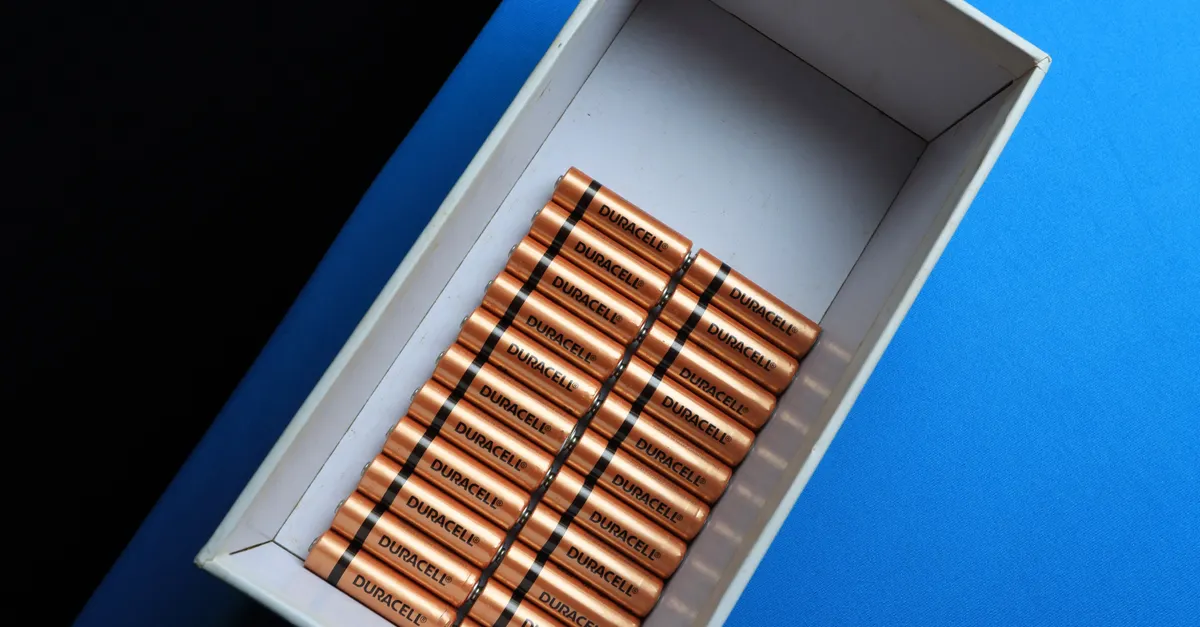
- Dead or Weak Batteries: The most common reason is simply depleted batteries in the remote or wall transmitter. Even if the LED light still glows faintly, low battery voltage can prevent the signal from reaching the opener.
- Signal Interference: Devices such as LED lights, wireless routers, or even nearby garage doors can interfere with the transmitter’s radio frequency, causing intermittent or total failure.
- Physical Damage: Dropping the remote, exposure to moisture, or internal wear can damage the transmitter’s circuitry, rendering it inoperable.
- Sensor Alignment Issues: If the safety sensors at the base of the garage door are misaligned or blocked, the opener may ignore signals from the transmitter as a safety precaution.
- Wiring Problems: Loose, frayed, or disconnected wires between the wall transmitter and the opener can break the communication chain.
- Obsolete or Faulty Components: Over time, transmitters and sensors can simply wear out, especially if exposed to harsh temperatures or humidity.
How to Troubleshoot a Dead Garage Door Sensor Transmitter
Before replacing your transmitter, it’s worth running through a few troubleshooting steps to identify the root cause. Here’s a practical checklist to help you get started:
- Check the Batteries: Replace the batteries in your remote and wall transmitter with fresh ones. Even if the indicator light is on, weak batteries can cause unreliable performance.
- Inspect for Physical Damage: Examine the transmitter for cracks, corrosion, or moisture inside the battery compartment. Any visible damage may require a replacement.
- Test the Wall Button: If your remote doesn’t work but the wall-mounted button does, the issue is likely with the remote transmitter itself.
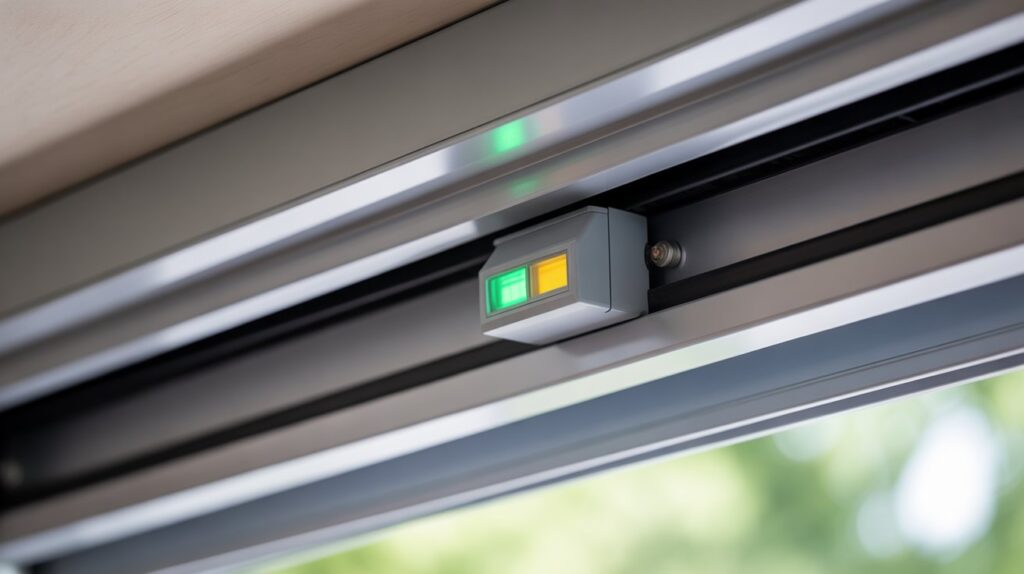
- Check Sensor Alignment: Ensure the safety sensors at the bottom of the garage door track are facing each other and their indicator lights are steady. Misaligned sensors can prevent the opener from responding to any transmitter.
- Look for Signal Interference: Move or turn off nearby electronic devices that could disrupt the transmitter’s signal. LED bulbs, in particular, are known to cause interference.
- Inspect Wiring Connections: For wall transmitters, check that all wires are securely connected to the opener and the wall unit. Loose wires can break the circuit.
- Reset the System: Unplug the garage door opener for 30 seconds, then plug it back in. Sometimes, a simple reset can clear minor glitches.
- Reprogram the Remote: If all else fails, consult your opener’s manual to reprogram the transmitter. Lost programming can occur after power outages or battery changes.
Understanding Sensor and Transmitter Relationships
It’s important to distinguish between the transmitter (remote or wall button) and the safety sensors at the door’s base. The transmitter sends a signal to the opener, while the sensors ensure nothing is blocking the door’s path. If the sensors are misaligned or dirty, the opener may ignore signals from a working transmitter for safety reasons.
For more on how these components interact, see our resource on what is the beam path of a garage door sensor.
When to Replace Your Garage Door Sensor Transmitter
If you’ve worked through the troubleshooting steps and your transmitter still doesn’t work, it may be time for a replacement. Signs that a new unit is needed include:
- The transmitter is physically damaged or corroded beyond repair.
- Reprogramming and battery replacement have no effect.
- The opener responds to other transmitters but not the problematic one.
- The device is outdated and no longer compatible with your opener model.
When selecting a replacement, ensure it’s compatible with your garage door opener’s brand and frequency. Universal remotes are available, but always check the specifications before purchasing.
Preventing Future Sensor and Transmitter Issues
Regular maintenance can help you avoid unexpected failures. Here are some tips to keep your garage door system reliable:
- Change transmitter batteries annually or as soon as you notice reduced range.
- Keep remotes and wall buttons dry and away from extreme temperatures.
- Clean the safety sensors and ensure they remain properly aligned.
- Inspect wiring connections during routine garage maintenance.
- Consider installing sun shields or protective covers to reduce sensor interference. For guidance, see our article on how to install garage door sensor sun shields.

Expert Tips and Additional Resources
If you’re still having trouble after following these steps, it may be time to consult a professional. Some issues, such as internal circuit failure or persistent interference, require specialized tools and expertise.
For more detailed repair instructions, check out this comprehensive guide to fixing garage door sensors. If you suspect environmental factors like moisture are affecting your system, our article on how to fix garage door sensor moisture problems offers practical solutions.
Frequently Asked Questions
How do I know if my garage door transmitter is dead or if it’s a sensor issue?
If the wall button works but the remote does not, the problem is likely with the transmitter. If neither works and the opener won’t respond, check the safety sensors for alignment or blockage. Testing with a multimeter can also help; see our guide on how to check garage door sensor voltage for step-by-step instructions.
Can sunlight or weather affect my garage door sensors and transmitter?
Yes, direct sunlight can interfere with sensor beams, and moisture can cause corrosion or short circuits. Installing sun shields and keeping components dry will help maintain reliable operation.
What should I do if replacing the batteries doesn’t fix the transmitter?
If new batteries don’t resolve the issue, inspect the transmitter for physical damage, try reprogramming it, and check for signal interference. If the problem persists, replacement may be necessary.
Are universal garage door remotes compatible with all openers?
Universal remotes work with many, but not all, garage door openers. Always verify compatibility with your opener’s brand and frequency before purchasing.
Where can I find more help with garage door sensor problems?
For further troubleshooting, see our article on why is my garage door sensor yellow for insight into sensor indicator lights and what they mean.