If your garage door suddenly stops and hangs in the middle of its path, you’re likely dealing with a common but frustrating issue: garage door halfway spring fatigue. This problem can disrupt your daily routine, compromise home security, and even pose safety risks. Understanding the causes, recognizing the warning signs, and knowing how to address them can save you time, money, and stress.
In this article, you’ll learn how to spot the symptoms of worn-out springs, why this issue occurs, and what practical steps you can take to restore smooth operation. We’ll also discuss when it’s time to call a professional and how to prevent future problems. For those troubleshooting related sensor issues, you may also find our guide on how to fix garage door sensor mounting on metal studs helpful.
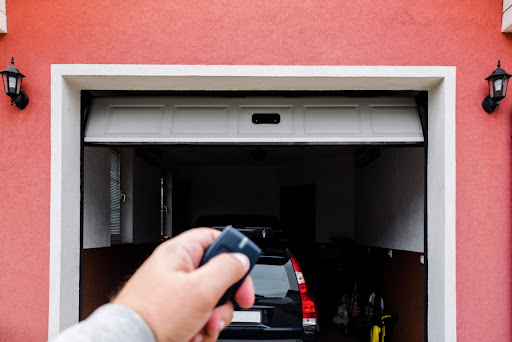
Understanding Spring Fatigue in Overhead Doors
The springs in your garage door system bear most of the weight each time the door opens or closes. Over time, these springs lose their tension—a process known as spring fatigue. When this happens, the door may struggle to move past the halfway point, stalling or reversing unexpectedly.
There are two main types of springs used in residential garage doors:
- Torsion springs—mounted above the door, these twist to provide lifting force.
- Extension springs—located along the sides, these stretch and contract as the door moves.
Both types are subject to wear and tear. The average spring is rated for about 10,000 cycles (one open and close equals one cycle). Frequent use, poor maintenance, and environmental factors can shorten this lifespan.
Common Symptoms of a Fatigued Garage Door Spring
Spotting the early signs of garage door halfway spring fatigue can help you address the problem before a complete failure occurs. Here are the most frequent symptoms:
- Door stops or reverses at the halfway mark. This is the classic sign that the springs are no longer providing enough lift.
- Unusual noises. Listen for creaking, grinding, or snapping sounds as the door operates.
- Uneven movement. The door may jerk, tilt, or appear crooked as it moves.
- Visible gaps in the spring. A broken torsion spring will often show a clear separation.
- Manual lifting feels heavy. If you disconnect the opener and the door is difficult to lift by hand, the springs have likely lost tension.
If you notice any of these issues, it’s important to act quickly. Continuing to use a door with compromised springs can damage other components or cause the door to become stuck.
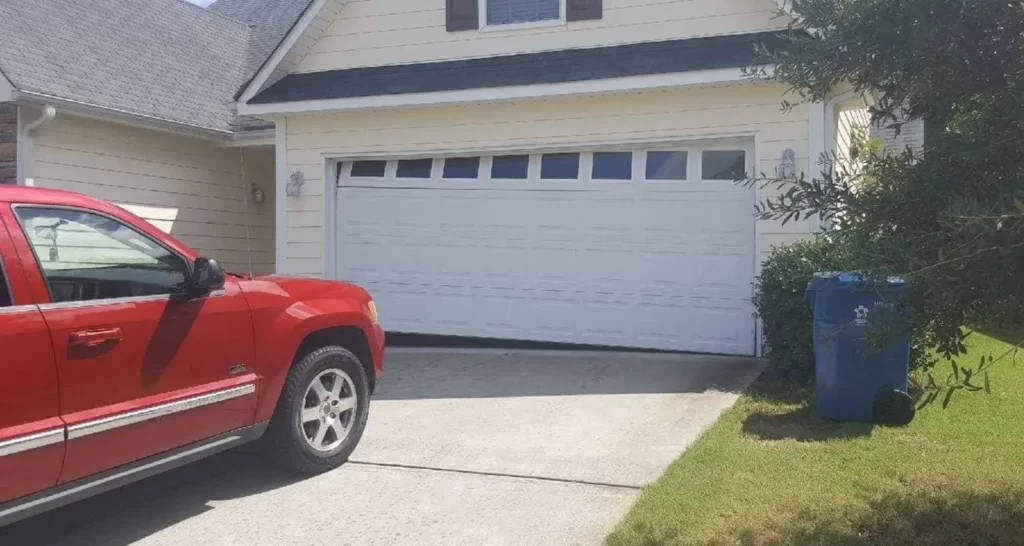
Why Garage Doors Get Stuck Midway
While worn springs are the most common culprit, several other factors can cause your garage door to stop partway:
- Obstructions on the track. Debris or bent tracks can block movement.
- Misaligned sensors. Safety sensors may halt operation if they detect an obstruction or are out of alignment.
- Opener issues. Faulty openers or incorrect force settings can interrupt the door’s travel.
- Lack of lubrication. Dry rollers and hinges increase resistance, making it harder for the springs to do their job.
For more on troubleshooting sensor problems, see our detailed guide on how to fix garage door sensor wiring using electrical tape.
Diagnosing Spring Fatigue vs. Other Problems
To determine if spring fatigue is the root cause, start with a visual and manual inspection:
- Disconnect the opener. Pull the emergency release cord to operate the door manually.
- Test the balance. Lift the door halfway and let go. A healthy spring system will hold the door in place. If it drops or rises, the springs are likely worn.
- Inspect for gaps or rust. Look for visible breaks or corrosion on the springs.
- Check for uneven movement. If one side of the door rises faster than the other, one spring may be weaker or broken.
If the door moves smoothly by hand but stops halfway when using the opener, the problem may be with the opener settings or sensors. For further troubleshooting, you can consult resources like this comprehensive guide on garage doors stopping halfway.
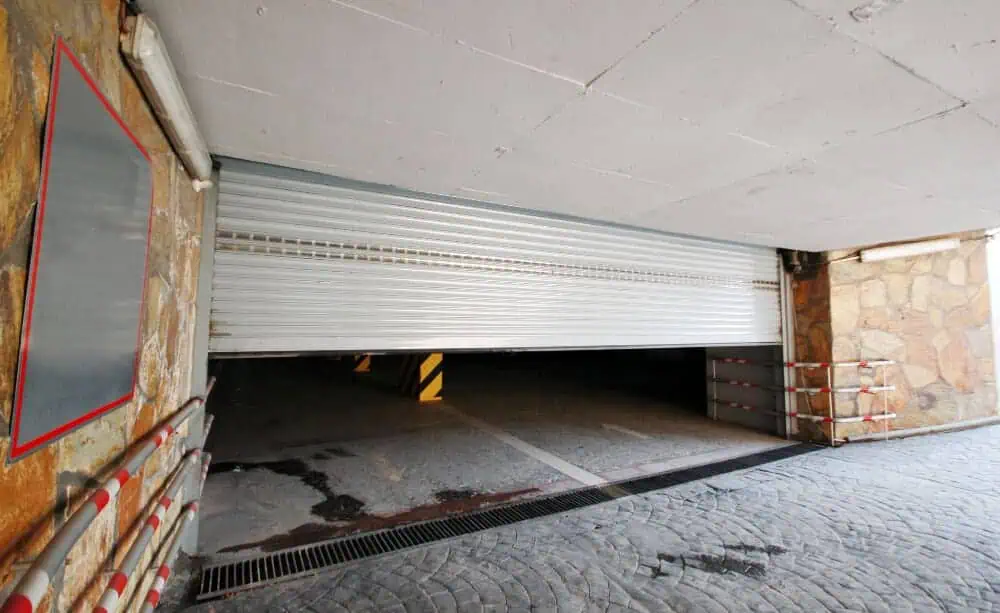
Effective Solutions for Spring-Related Door Issues
Once you’ve confirmed that spring fatigue is to blame, you have several options:
Replace the Springs
The most reliable fix for garage door halfway spring fatigue is to replace the worn springs. Because these components are under high tension, it’s safest to hire a professional for this job. Attempting a DIY replacement without proper tools and experience can be dangerous.
Lubricate Moving Parts
Regular lubrication reduces friction and helps springs last longer. Use a high-quality garage door lubricant spray on springs, rollers, and hinges every few months. This simple maintenance step can prevent premature wear and keep your door running smoothly.
Adjust Opener Settings
If the springs are still functional but the door stops midway, check your opener’s force and travel settings. Consult your opener’s manual for adjustment instructions. Sometimes, a minor tweak can resolve the issue without major repairs.
Inspect and Clean Tracks
Remove any debris from the tracks and ensure they are straight. Bent or blocked tracks can strain the springs and opener, making the door more likely to stop or reverse.
When to Call a Professional
While some maintenance tasks are safe for homeowners, spring replacement and major repairs should be left to trained technicians. Signs you need expert help include:
- Broken or separated springs
- Door won’t move at all
- Repeated issues after DIY fixes
- Strange noises or visible damage to cables and pulleys
Professional service ensures your door is balanced, safe, and compliant with manufacturer specifications.
Preventing Future Spring Fatigue
To extend the life of your garage door springs and avoid repeat issues:
- Schedule annual inspections. A technician can spot early signs of wear and recommend timely replacements.
- Lubricate regularly. Keep all moving parts well-oiled to reduce stress on the springs.
- Limit unnecessary cycles. Only open and close the door when needed to reduce wear.
- Replace both springs together. If one spring fails, the other is likely close behind. Replacing both ensures balanced operation.
For additional troubleshooting tips, you may also want to read about why is my garage door sensor light blinking twice and how to fix garage door sensor hum or buzz.
FAQ
How do I know if my garage door springs are worn out?
Signs include the door stopping or reversing at the halfway point, visible gaps in the springs, heavy manual lifting, and unusual noises during operation. If you notice any of these, it’s time to inspect or replace the springs.
Can I replace garage door springs myself?
While some handy homeowners attempt this, it’s not recommended due to the high tension involved. Improper handling can cause serious injury. It’s best to hire a qualified technician for spring replacement.
How often should garage door springs be replaced?
Most springs last 7–10 years with average use, or about 10,000 cycles. If you use your garage door multiple times daily, you may need to replace them more frequently.
What maintenance can help prevent spring fatigue?
Regular lubrication, annual professional inspections, and minimizing unnecessary door cycles can all help extend the life of your springs and prevent premature fatigue.