Installing a garage door keypad is a practical upgrade for any home, offering convenience and improved security. However, many homeowners run into avoidable issues during installation that can lead to frustrating malfunctions or even compromise safety. Understanding the most common garage door keypad installation mistakes can help you achieve a smooth setup and reliable operation for years to come.
This guide covers frequent errors, how to sidestep them, and best practices for both DIYers and those hiring professionals. If you’re troubleshooting keypad problems, you might also find it helpful to learn why is my garage door sensor indicator light missing for additional context on related garage door issues.
Common Errors When Setting Up a Garage Door Keypad
Many installation issues stem from skipping steps or overlooking manufacturer instructions. Here are some of the most frequent problems encountered:
- Incorrect wiring or battery placement – Failing to connect wires properly or inserting batteries incorrectly can prevent the keypad from powering up or communicating with the opener.
- Mounting the keypad in the wrong location – Placing the keypad too far from the opener, in direct sunlight, or in a spot exposed to rain can cause signal loss and premature wear.
- Not syncing the keypad correctly – Each brand and model has a specific programming process. Missing a step or rushing through can result in the keypad not pairing with the opener.
- Ignoring compatibility requirements – Not all keypads work with every opener. Using an incompatible device leads to persistent malfunctions.
To avoid these pitfalls, always read the installation manual thoroughly and double-check compatibility with your garage door opener. For more on opener types and compatibility, see this guide to garage door opener types.
Placement and Environmental Factors
Where you install your keypad has a significant impact on its performance and longevity. Here are some placement guidelines to prevent common garage door keypad installation mistakes:
- Distance from the opener: Most keypads have a recommended range. Installing the unit too far away can result in weak or lost signals.
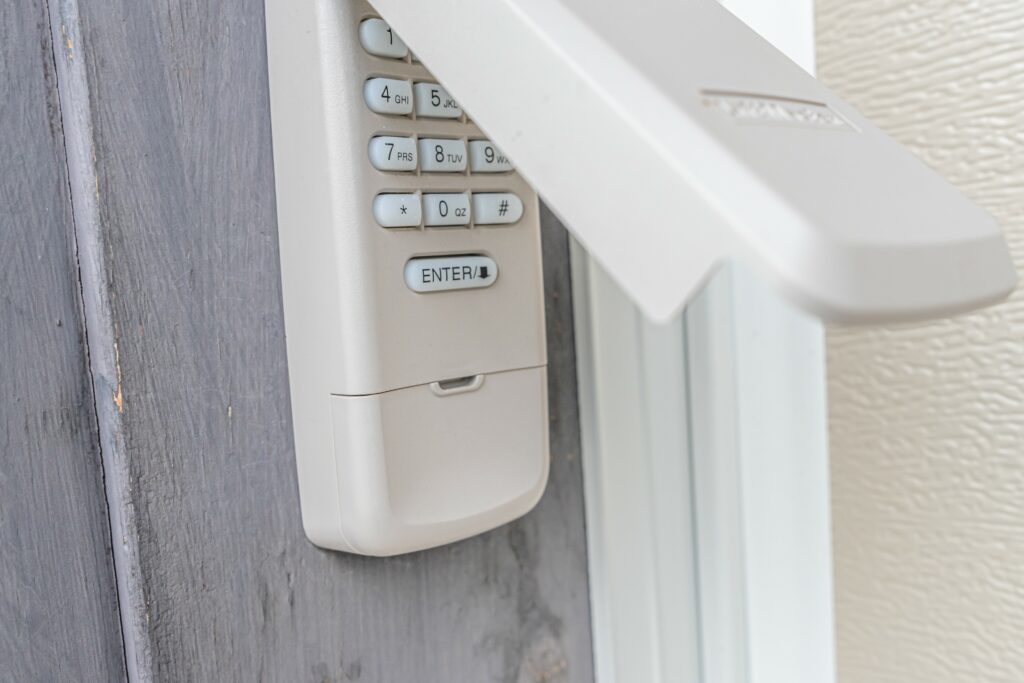
- Exposure to weather: While many keypads are weather-resistant, direct exposure to rain or harsh sunlight can degrade the unit over time. Mount the keypad under an overhang or in a sheltered spot when possible.
- Height and accessibility: Install the keypad at a height that’s easy for all users to reach, but not so low that children can tamper with it.
Proper placement not only ensures reliable operation but also extends the life of your device.
Programming and Code Security Issues
Programming errors are a leading cause of keypad malfunctions. To ensure your keypad works as intended, follow these tips:
- Follow the programming sequence exactly – Skipping steps or entering codes too quickly can cause the process to fail. Wait for confirmation lights or beeps before proceeding.
- Choose a secure access code – Avoid simple codes like “1234” or your street address. Use a unique combination that’s easy for you to remember but hard for others to guess.
- Change the code periodically – Regularly updating your access code enhances security, especially if you’ve shared it with guests or service providers.
If you ever notice the keypad is not responding after programming, double-check the instructions and reset the device if necessary. For troubleshooting related to garage door sensors, you may also want to read about how to fix a garage door sensor that is misaligned by a fraction.
Compatibility and Power Supply Considerations
One of the most overlooked garage door keypad installation mistakes is failing to verify compatibility with your opener. Before purchasing or installing a keypad, check the following:
- Brand and model match: Some keypads are universal, but many are designed for specific opener brands or models. Confirm compatibility in the product documentation.
- Frequency requirements: Garage door openers operate on different frequencies (e.g., 315 MHz, 390 MHz). Using a keypad with the wrong frequency will prevent pairing.
- Power source: Ensure fresh batteries are installed and that battery contacts are clean. If your keypad is hardwired, inspect connections for corrosion or loose wires.
Neglecting these factors can lead to persistent issues or require replacement of the keypad altogether.
Testing and Troubleshooting After Installation
Once your keypad is installed and programmed, thorough testing is essential. Here’s how to ensure everything works as intended:
- Test from various distances – Confirm that the keypad reliably opens the garage door from the intended range.
- Check for interference – Nearby electronics or metal surfaces can sometimes disrupt signals. If you experience inconsistent performance, try relocating the keypad or moving potential sources of interference.
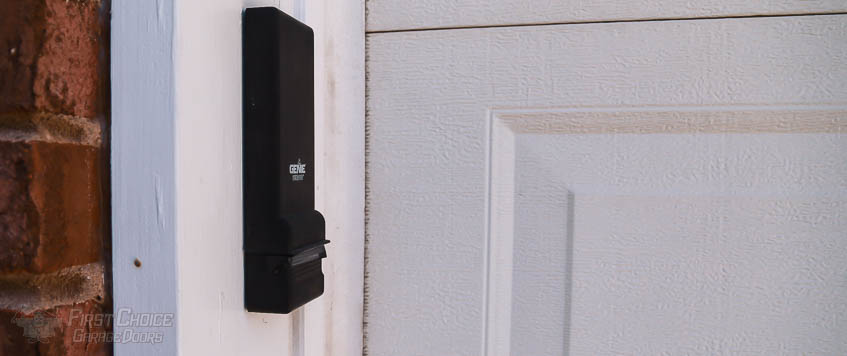
- Inspect for physical damage – Make sure the keypad is securely mounted and that the cover protects it from the elements.
If problems persist, consult the manufacturer’s troubleshooting guide or consider professional assistance. For related sensor issues, see how to fix garage door sensor bracket bending for more detailed solutions.
Best Practices to Prevent Installation Problems
To minimize the risk of errors and maximize the lifespan of your keypad, keep these best practices in mind:
- Always use fresh batteries and inspect battery contacts for corrosion.
- Mount the keypad in a sheltered, accessible location within the recommended range of your opener.
- Follow the programming instructions step-by-step, and don’t rush the process.
- Test the keypad thoroughly before relying on it for daily use.
- Periodically update your access code and check for firmware updates if your keypad supports them.
By following these guidelines, you can avoid the most common garage door keypad installation mistakes and enjoy reliable, secure access to your garage.
FAQ: Garage Door Keypad Setup and Troubleshooting
What should I do if my keypad isn’t working after installation?
First, check the batteries and ensure they are installed correctly. Next, review the programming steps in your manual and try reprogramming the keypad. If it still doesn’t work, confirm compatibility with your opener and check for signal interference or wiring issues.
How often should I change my garage door keypad code?
It’s a good idea to update your code every few months, especially if you’ve shared it with guests or service providers. Regular updates help maintain security and prevent unauthorized access.
Can I install a universal keypad with any garage door opener?
Not all universal keypads are compatible with every opener. Always check the product specifications to ensure it supports your opener’s brand, model, and operating frequency. When in doubt, consult the manufacturer or a professional installer.
Why does my keypad only work intermittently?
Intermittent operation can be caused by weak batteries, signal interference, or poor placement. Try replacing the batteries, relocating the keypad, or checking for nearby devices that may disrupt the signal.
Is it safe to install a keypad myself, or should I hire a professional?
Many homeowners can install a keypad themselves by following the manufacturer’s instructions. However, if you’re unsure about wiring, compatibility, or programming, hiring a professional can ensure a safe and reliable installation.