If you’ve noticed that the small indicator light on your garage door sensor is no longer visible, you’re not alone. Many homeowners encounter this issue and wonder if it signals a malfunction or something more serious. The indicator light is a crucial feature—it helps confirm that your garage door safety sensors are powered and aligned correctly. When it disappears, it can leave you questioning the safety and functionality of your garage door system.
Understanding the reasons behind a missing sensor light can help you quickly identify and resolve the problem. In this guide, we’ll break down the most common causes, troubleshooting steps, and solutions to restore your garage door’s safety features. We’ll also share tips for maintaining your sensors and when to consider professional help. For those dealing with related sensor issues, you might also find value in learning why is my garage door sensor light turning off and on for a broader troubleshooting perspective.
Understanding Garage Door Sensor Lights
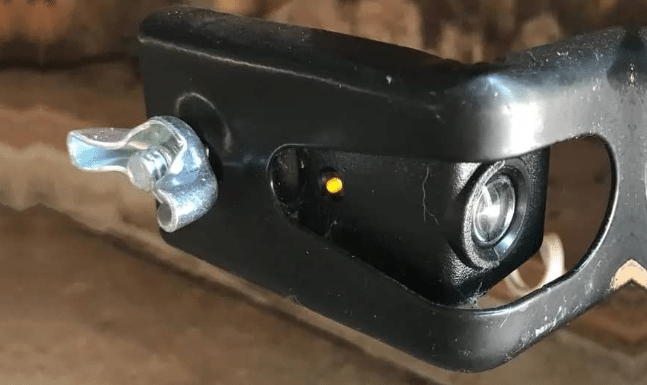
Garage door sensors are designed to prevent accidents by detecting obstructions in the door’s path. Most systems use a pair of sensors—one emits an infrared beam, and the other receives it. The indicator light, usually found on the receiving sensor, confirms that the sensors are powered and properly aligned. If the light is missing, it may indicate a power issue, misalignment, or a problem with the sensor itself.
The indicator light is typically green or amber, depending on the manufacturer. Its presence reassures you that the safety system is active. When the light disappears, the door may not close, or it could reverse unexpectedly, posing a safety risk.
Common Reasons for a Missing Sensor Indicator Light
There are several possible explanations for a garage door sensor light that has vanished. Here are the most frequent causes:
- Power Disruption: If the sensor isn’t receiving power, the light will not turn on. This could be due to a tripped circuit breaker, a blown fuse, or a disconnected wire.
- Loose or Damaged Wiring: Over time, wires can become loose or damaged, especially in garages with frequent use or temperature fluctuations. Inspect the wiring for visible wear, corrosion, or disconnections.
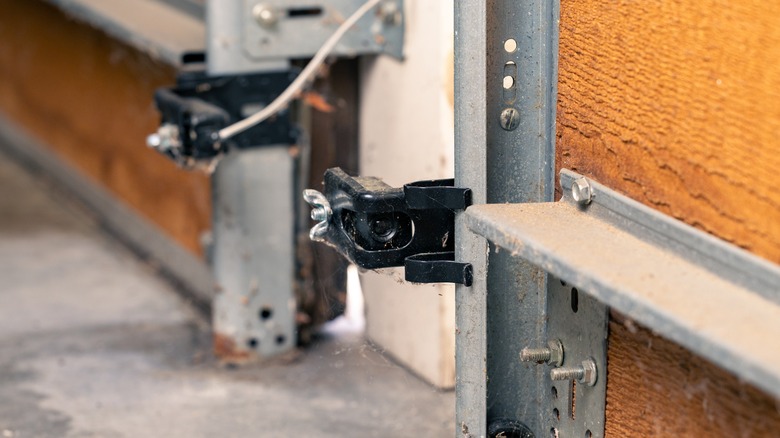
- Sensor Misalignment: If the sensors are not properly aligned, the indicator light may not illuminate. Even a slight bump can knock them out of alignment, especially if the mounting bracket is bent or loose. For more on this, see our guide on how to fix garage door sensor bracket bending.
- Dirty or Obstructed Sensor Lens: Dust, cobwebs, or debris can block the sensor’s lens, preventing it from functioning correctly. Cleaning the lens can sometimes restore the light.
- Faulty Sensor: Sensors can fail due to age, moisture, or manufacturing defects. If all other troubleshooting fails, the sensor itself may need replacement.
How to Troubleshoot a Missing Garage Door Sensor Light
When the indicator light is absent, follow these practical steps to diagnose and address the issue:
- Check the Power Source: Ensure the opener is plugged in and the outlet is working. Test the outlet with another device to confirm power supply.
- Inspect the Wiring: Look for loose, disconnected, or damaged wires leading to the sensors. If you find any problems, turn off the power before attempting repairs.
- Realign the Sensors: Gently adjust the sensors so they face each other directly. Most models have a small indicator light that turns on when alignment is correct. If you’re mounting sensors on metal studs, see our detailed guide on how to fix garage door sensor mounting on metal studs.
- Clean the Sensor Lenses: Use a soft cloth to wipe away dust, dirt, or cobwebs from the sensor lenses.
- Test the Sensors: After performing the above steps, check if the indicator light reappears. If not, swap the sensors (if possible) to see if the issue follows the sensor or stays with the wiring.
If these steps don’t resolve the problem, the sensor may need to be replaced. Replacement sensors are widely available and can often be installed with basic tools.
When to Replace or Upgrade Your Sensors
If your troubleshooting points to a faulty sensor, replacement is usually straightforward. Before purchasing a new sensor, confirm compatibility with your garage door opener model. Upgrading to newer sensors can improve reliability and safety, especially if your current system is several years old. For those interested in learning more about sensor lights and their meanings, check out this comprehensive guide to garage door sensor lights and their colors.
Preventing Future Sensor Issues
Regular maintenance can help prevent sensor light problems. Here are a few tips:
- Periodically clean the sensor lenses to remove dust and debris.
- Check sensor alignment after any impact or if the door is not closing properly.
- Inspect wiring for signs of wear, especially in garages exposed to extreme temperatures. For more on temperature-related issues, see how to fix garage door sensor from shifting due to temperature.
- Test the door’s safety reversal system monthly to ensure sensors are functioning.
By staying proactive, you can avoid unexpected sensor failures and keep your garage door operating safely.
Other Related Sensor Light Problems
Sometimes, the indicator light may blink, flicker, or behave erratically instead of disappearing completely. These symptoms often point to alignment issues, partial obstructions, or intermittent wiring problems. If you’re experiencing these types of issues, you might benefit from reading about how to troubleshoot garage door sensor issues in summer, as temperature and humidity can affect sensor performance.
Frequently Asked Questions
What does it mean if both garage door sensor lights are off?
If neither sensor light is on, it usually indicates a power issue. Check that the opener is plugged in, the circuit breaker hasn’t tripped, and the wiring is intact. If power is confirmed, the sensors may need replacement.
Can I bypass the safety sensors if the indicator light is missing?
It is not recommended to bypass the safety sensors, as they are a critical safety feature. Operating the door without functioning sensors can be dangerous and may violate local building codes or manufacturer warranties.
How do I know if my garage door sensors are aligned correctly?
When the sensors are properly aligned, the indicator light will be steady (not blinking) on both sensors. If the light is off or blinking, adjust the sensors until the light remains solid. Some models may only have a light on one sensor, so refer to your manufacturer’s manual for specifics.
Conclusion
When the indicator light on your garage door sensor is missing, it’s a sign that something needs attention. By systematically checking power, wiring, alignment, and cleanliness, you can often restore the light and ensure your garage door operates safely. If troubleshooting doesn’t resolve the issue, replacing the sensor is a straightforward solution. Regular maintenance and prompt attention to sensor problems will help you avoid unexpected disruptions and keep your home secure.